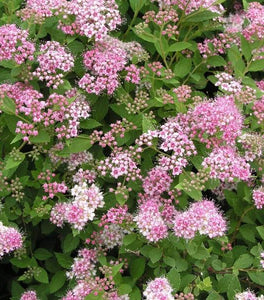
Images Depict Mature Plants
Bridal Wreath Spirea
Spiraea x vanhouttei
If you want one shrub that delivers a true “spring wedding dress” moment, Bridal Wreath Spirea is it—cascading branches absolutely smothered in white blooms, then an easy green backdrop that makes the rest of your garden look more put-together all summer. Give it sun, decent drainage, steady watering the first year, and then just remember the golden rule: prune right after it flowers so you keep next year’s show.

20% Off Sitewide Sale!
Use Code 'ENDOFSEASON20' At Checkout
📦 Free shipping on orders over $99.
Delay shipping by leaving us a message at Checkout.
Share:



Bridal Wreath Spirea Shrub For Cascading White Blooms, Easy Hedges, And Cottage-Garden Charm
Cascading White Spring Blooms That Stop You In Your Tracks
Bridal Wreath Spirea is famous for one unforgettable moment: springtime, when arching branches turn into a “bridal veil” of white flowers. Blooms line the stems in frothy clusters, creating that classic waterfall effect that looks romantic, bright, and timeless in the landscape. It’s the kind of shrub that makes a front yard feel welcoming and instantly established—even if the rest of the garden is still waking up.
What makes the display feel so special is how it reads from a distance. Instead of a few scattered flowers, you get a full-on white bloom cloud along gracefully draping branches. Plant it where you’ll see it often—near an entry, along a fence line, or as a spring focal point at the edge of a lawn—and it delivers curb appeal that looks like you hired a designer.
A Flowering Hedge That Feels Soft, Full, And Private
If you want a hedge that doesn’t look stiff or boxy, Bridal Wreath Spirea is a beautiful solution. Its naturally mounded shape and arching habit create a soft screen that still feels airy and garden-like. Used in a row, it becomes a flowering privacy buffer in spring and a lush green backdrop through summer—perfect for patios, property lines, and “borrowed view” moments you’d rather hide.
It also plays well in mixed borders. You can tuck it behind perennials, layer it with evergreens, or use it as a long, flowering backbone in cottage-style designs. Because it’s dense and branching, it fills space quickly and gives landscapes that “finished” look—especially when you mass plant it or repeat it along a walkway.
Four-Season Structure With Summer Green And Fall Color
After the bloom show, Bridal Wreath Spirea settles into an easy, leafy shrub with clean green foliage that makes a great backdrop for brighter summer flowers. It’s a workhorse in the best way: it quietly holds the garden together, providing shape and fullness so beds don’t look sparse. The arching framework stays attractive even when it’s not in bloom, which is why it’s such a trusted foundation and border shrub.
Then fall adds a final encore. As temperatures drop, foliage often shifts into warm tones—gold, orange, and red—bringing seasonal color without extra effort. If you’re trying to build a landscape with dependable structure and a big spring payoff, this shrub checks both boxes.
Low-Maintenance Success With Sun, Drainage, And The Right Pruning Window
Bridal Wreath Spirea is refreshingly easy once established. Give it well-drained soil and consistent watering during the first growing season, and it becomes more tolerant of normal dry spells. Full sun produces the best flowering, though it can handle a bit of light shade—especially in hotter climates where afternoon protection helps leaves look their best.
The biggest care tip is pruning timing: prune right after flowering. Bridal Wreath Spirea blooms on older wood, so if you wait until late summer or winter to cut it back, you risk removing next spring’s flowers. A simple “right after bloom” trim keeps the shrub shapely, encourages fresh growth, and sets you up for an even better bloom display the following year.
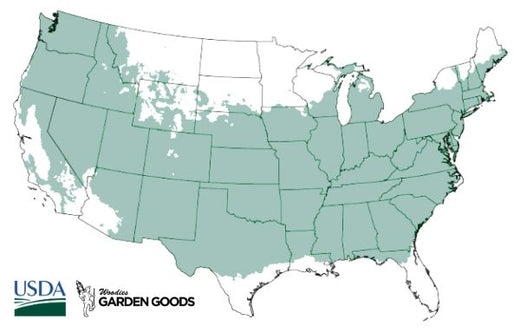
| Hardiness Zone: | 5-8 |
|---|---|
| Mature Height: | 4 to 8 Feet |
| Mature Width: | 4 to 8 Feet |
| Sunlight: | Full sun (best blooms); tolerates light shade |
| Bloom Time / Color: | Spring; white |
| Soil Condition: | Any well-drained soil |
| Water Requirements: | Water well until established; moderate once established |
| Wildlife Value: | Attracts bees and butterflies |
| Resistance (deer/disease/drought/etc.): | Deer-resistant (not deer-proof); drought-tolerant once established |
| Landscape Uses: | Flowering hedge, privacy screen, mixed borders, foundation planting, cottage gardens, mass plantings |
How to Care for Bridal Wreath Spirea
Before purchasing your Bridal Wreath Spirea Shrub, be sure to read the recommended care instructions to ensure your plant remains happy and healthy for years to come!

How should I plant Bridal Wreath Spirea?
Plant Bridal Wreath Spirea in full sun for the heaviest bloom display, choosing a spot with well-drained soil that doesn’t hold standing water after rain. Dig a hole about twice as wide as the root ball and just as deep. Set the shrub so the top of the root ball is level with (or slightly above) the surrounding soil, then backfill with native soil and water deeply to settle everything in. Finish with a 2–3-inch mulch ring around the root zone to stabilize moisture and reduce weeds, keeping mulch a few inches away from the stems. If you’re planting a hedge, lay out your spacing first so each plant has room to mature without crowding—this helps airflow, reduces stress, and makes pruning easier over time.

How often should I water Bridal Wreath Spirea after planting?
Water thoroughly right after planting, then keep the root zone evenly moist during the first growing season. A dependable baseline is deep watering once or twice per week, adjusting for rainfall, heat, and soil type. The goal is moist—not soggy—soil, so water slowly and let the top few inches begin to dry slightly between waterings. Once established, Bridal Wreath Spirea becomes more drought-tolerant and usually only needs supplemental watering during extended hot or dry stretches. Deep, infrequent soaking encourages stronger roots and helps the shrub stay resilient through summer weather swings.

When should I fertilize Bridal Wreath Spirea?
Fertilize in early spring as new growth begins, using a balanced, slow-release shrub fertilizer at the label rate. Apply around the root zone (not right against the stems) and water it in well. If your soil is reasonably fertile and the shrub is growing well, you can keep feeding light—over-fertilizing can push lots of leafy growth at the expense of flowers. A simple routine that works well is to refresh mulch annually and add a thin top-dressing of compost in spring. Skip late-season fertilizing, which can encourage tender growth at the wrong time and reduce overall cold-season readiness.

When and how should I prune Bridal Wreath Spirea?
Prune Bridal Wreath Spirea immediately after it finishes flowering. This timing matters because it blooms on older wood, and pruning later in the season can remove next spring’s flower buds. Start by removing any dead, damaged, or crossing branches, then lightly shape the shrub to maintain its natural arching, cascading habit. For older, overgrown shrubs, you can also remove a portion of the oldest canes at the base right after bloom to encourage fresh new growth from the center. Keep the overall look soft and fountain-like—this is one of those shrubs that looks best when it’s gently guided, not sheared into a tight box.