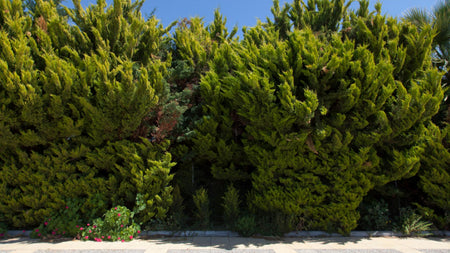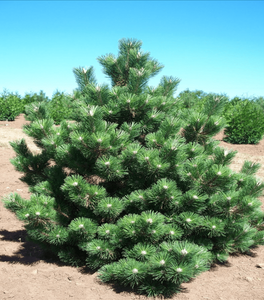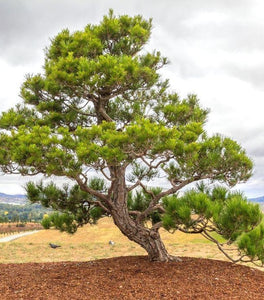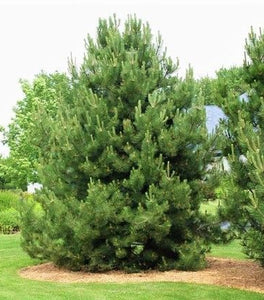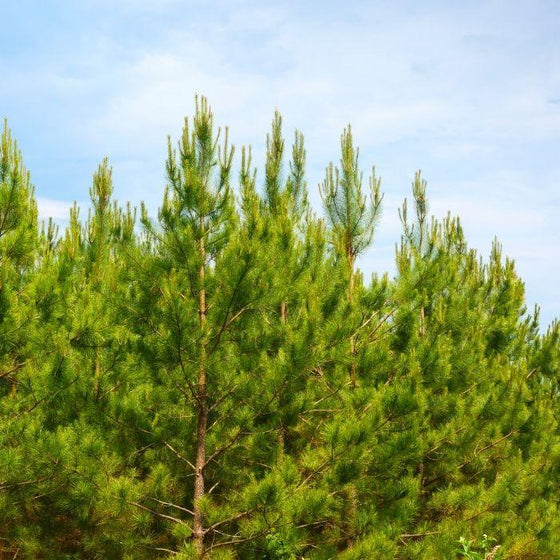

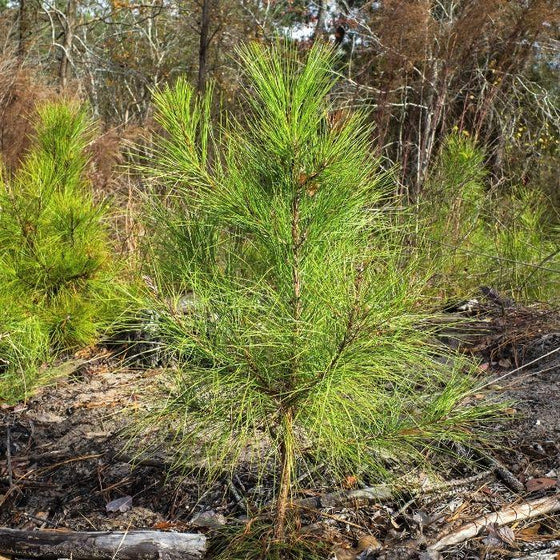


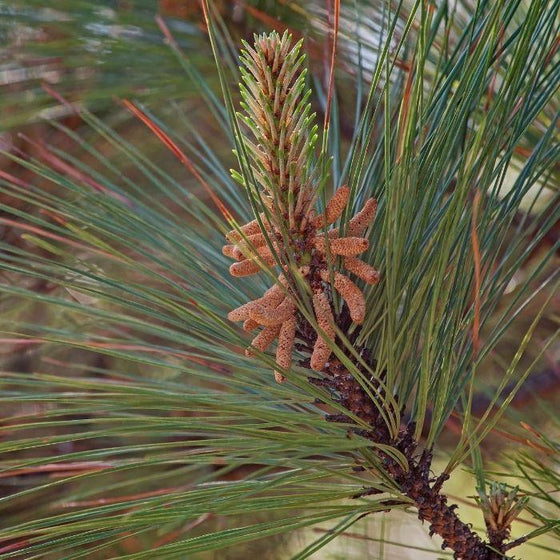
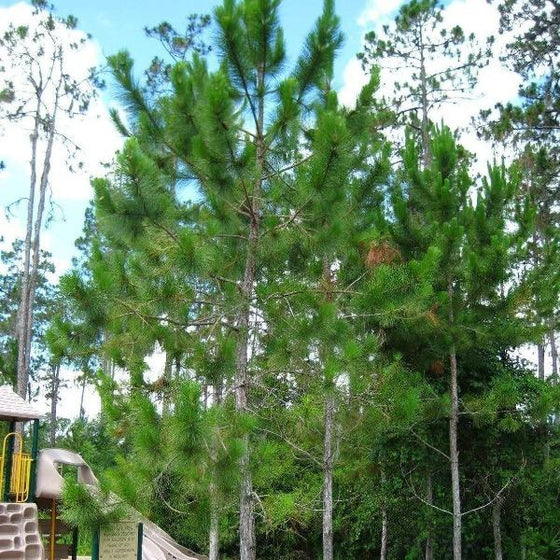


Images Depict Mature Plants
Loblolly Pine Tree
Pinus taeda
Loblolly Pine is a really useful tree when the goal is simple: get evergreen height and screening value into the landscape as quickly as possible. It grows fast, fills space well, and feels right at home on larger properties where a broad native pine can really do its job. For privacy, buffers, and natural evergreen scale, it is a smart plant to lean on.

20% Off Sitewide Sale!
Use Code 'ENDOFSEASON20' At Checkout
📦 Free shipping on orders over $99.
Delay shipping by leaving us a message at Checkout.
Share:


A Fast-Growing Native Pine for Privacy and Large-Scale Impact
A Fast-Growing Evergreen That Makes an Immediate Difference
Loblolly Pine is one of the best choices for homeowners who want a large evergreen tree that establishes quickly and can change the landscape's look in a relatively short time. Its strong upright habit and rapid growth make it especially useful where height, screening, and evergreen presence are major priorities.
This is a tree that brings real momentum to a landscape plan. For larger properties, open yards, and expansive planting areas, Loblolly Pine offers a growth rate that helps a property feel fuller, greener, and more established much sooner than many slower-growing conifers.
A Native Pine with Strong Screening Value
Because of its tall form and evergreen needle cover, Loblolly Pine is especially effective as a privacy screen, windbreak, and large buffer planting. When planted in groups or rows, it can create meaningful year-round coverage that softens views, reduces wind exposure, and adds a broad natural backdrop to the property.
That screening value is one of its biggest selling points. It gives homeowners a tree that can handle the practical work of privacy and protection while still feeling regionally appropriate and visually attractive in the landscape.
Long Needles and a Bold Evergreen Texture
Loblolly Pine carries long, medium- to dark-green needles that give the tree a full, classic pine look. The foliage has a stronger, bolder texture than some softer ornamental evergreens, which helps it read as substantial and effective in large-scale planting designs.
That texture works especially well in open properties and naturalized areas where a more rugged evergreen presence feels right. It gives the landscape a year-round green structure and helps the tree stand out as more than just a background planting.
Adaptable to a Range of Landscape Conditions
One of the reasons Loblolly Pine is so widely planted is its adaptability. It performs best in full sun and can handle a broad range of site conditions, including medium to wet soils and many common landscape settings, provided it has room to grow and establish properly.
This flexibility gives it real practical value. Homeowners looking for a pine that can succeed in varied soils and large open spaces often find Loblolly Pine to be one of the most straightforward and dependable options for building an evergreen scale.
Best for Large Landscapes and Long-Term Screening
Loblolly Pine is best suited for larger properties where its mature height and width can be appreciated. It is especially useful in rural, suburban, and edge-of-property plantings where a large evergreen can serve as a screen, windbreak, or naturalized backdrop without crowding nearby structures.
For gardeners who want a fast-growing native evergreen with strong privacy value and broad landscape impact, Loblolly Pine is an excellent choice. It offers speed, size, and year-round coverage in a tree that is both practical and regionally grounded.
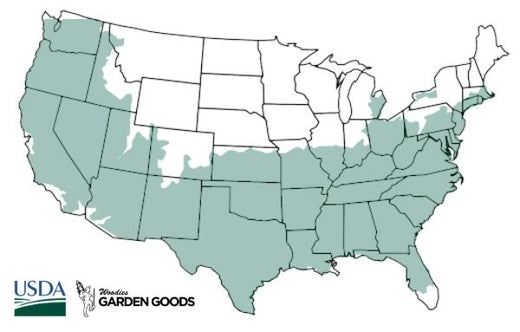
| Hardiness Zone: | 6-9 |
|---|---|
| Mature Height: | 60 to 90 Feet |
| Mature Width: | 20 to 40 Feet |
| Sunlight: | Full sun |
| Soil | Medium to wet, well-drained soil; adaptable to many soil types |
| Water | Moderate; water regularly during establishment |
| Bloom Time / Color | Spring; inconspicuous yellow flowers and cones |
| Ornamental Features | Long green needles, tall upright habit, strong evergreen screening value |
| Wildlife Value | Provides evergreen cover for birds and wildlife |
| Resistance (deer/disease/drought/etc.) | Tolerates a wide range of site conditions; adaptable to moist soils |
| Landscape Uses | Privacy screen, windbreak, naturalized planting, large evergreen buffer, specimen tree for open properties |
How to Care for Loblolly Pine Tree
Before you buy a Loblolly Pine Tree, make sure to read about the care instructions that are recommended to keep this plant healthy and flourishing.

How should I plant Loblolly Pine Tree?
Plant Loblolly Pine Tree in a location with full sun and enough room for its mature size to develop. Dig a hole about twice as wide as the root ball and no deeper than the root ball itself, then place the tree so the root flare sits at or slightly above the surrounding soil level. This helps the tree establish correctly and reduces the chance of planting it too deeply. Backfill with native soil, water thoroughly, and mulch around the root zone to help hold moisture and reduce weed competition. Keep mulch a few inches away from the trunk. Because Loblolly Pine becomes a very large evergreen, it should be planted where it can grow without crowding buildings, overhead space, or smaller nearby plantings.

How often should I water Loblolly Pine Tree after planting?
Water the Loblolly Pine Tree deeply right after planting, then continue watering regularly during the establishment period. In most landscapes, that means a deep soaking once or twice per week, depending on temperature, rainfall, and soil drainage. The goal is evenly moist soil while the tree builds a strong root system. Once established, Loblolly Pine is easier to manage and generally more resilient across varied site conditions. Deep watering is better than frequent shallow watering because it encourages stronger root growth and better long-term performance.

When should I fertilize Loblolly Pine Tree?
Fertilize Loblolly Pine Tree only if needed, especially if growth seems weak or a soil test points to a deficiency. If feeding is necessary, early spring is usually the best time to apply a balanced fertilizer or compost to support steady growth without encouraging overly soft new growth. Avoid overfeeding, especially on trees that are already growing well. In many cases, good planting practices, full sun, and regular establishment watering matter more than aggressive fertilization. Proper site selection is one of the best ways to support long-term health.

When and how should I prune Loblolly Pine Tree?
Loblolly Pine Tree usually needs very little pruning beyond removing dead, damaged, or awkwardly placed branches. Late winter is generally the best time for structural pruning, before spring growth begins and while the tree’s framework is easier to see. Pruning should focus on health, clearance, and form rather than heavy shaping. Because this tree is often used for screening and large-scale presence, light thoughtful pruning is usually all that is needed to maintain an attractive evergreen structure over time.