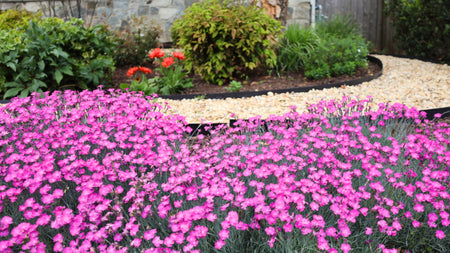
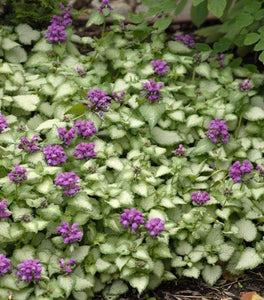
Images Depict Mature Plants
Irish Moss Plants
Sagina subulata
Irish Moss is one of those little plants that can make a garden feel instantly more finished. I like it because it brings that soft emerald carpet effect between stepping stones, along walkways, and in rock gardens where a heavier ground cover would miss the mark completely. It is not a plant for hot, dry abuse, but when you give it cool, moist conditions, good drainage, and the right setting, it delivers a beautiful evergreen mat with tiny white flowers and a texture that makes stonework and small-space planting look far more polished.

15% OFF SITEWIDE, USE CODE 'FALLPLANT15'
📦 Free shipping on orders over $99.
Delay shipping by leaving us a message at Checkout.
Share:



Soft Evergreen Ground Cover for Pavers, Paths, and Rock Gardens
A Low Evergreen Carpet That Brings a Finished Look to the Garden
Irish Moss is one of those plants that quietly makes the whole landscape look better. Its dense, emerald-green, moss-like foliage forms a low evergreen mat that softens hard edges, fills small gaps, and creates a polished transition between stone, soil, and neighboring plants. For homeowners who want a ground cover that feels neat, lush, and intentional, Irish Moss offers a refined solution that works especially well in smaller spaces where detail matters.
Its texture is a major part of the appeal. Instead of broad leaves or coarse stems, Irish Moss creates a fine, cushiony surface that reads almost like living velvet from a distance. That quality makes it especially attractive between stepping stones, tucked into rock gardens, edging pathways, or filling the front of a border where a taller ground cover would feel too bulky. It gives the landscape a softer touch without looking messy or overgrown.
Because it stays very low, Irish Moss is also useful where sightlines and scale matter. It does not fight with nearby perennials, dwarf conifers, or decorative stone features. Instead, it acts as a unifying layer that helps the whole planting feel more complete. In garden designs where every inch counts, that kind of clean, low growth is incredibly valuable.
For homeowners looking for an evergreen ground cover with a more delicate, crafted appearance, Irish Moss is a standout choice. It brings rich green color, fine texture, and a well-kept feel that elevates pathways, patios, and small landscape moments.
Tiny White Flowers Add Seasonal Detail Without Disrupting the Carpet
Irish Moss is grown mainly for its evergreen foliage, but its bloom season adds another layer of charm. In late spring to early summer, small white flowers appear above the green mat, creating a light, scattered bloom effect that brightens the planting without changing its essential look. The flowers are subtle, but that is part of what makes them so effective. They add seasonal freshness while preserving the clean carpet-like effect that people plant Irish Moss for in the first place.
That balance is especially important in designed landscapes. Some flowering ground covers become visually busy when they bloom, but Irish Moss keeps a tidy, restrained look even at peak flowering. The small blooms seem to float above the foliage rather than smother it, which allows the plant to remain useful in formal rock gardens, troughs, path edges, and other detail-driven spaces where too much flower color would feel distracting.
The bloom period also helps Irish Moss feel alive and active during the growing season. Homeowners get the evergreen carpet they want, but they also enjoy a gentle floral moment that adds seasonal interest to the planting. That makes it more than just a filler plant. It becomes a ground cover with its own identity and quiet visual payoff.
For gardeners who appreciate subtlety, Irish Moss is especially rewarding. The flowers do not shout for attention, but they absolutely improve the overall effect. They bring just enough white contrast to make the green mat feel even fresher and more dimensional.
A Natural Fit for Stepping Stones, Rock Gardens, and Small-Space Design
Irish Moss shines in landscape situations where a low, evergreen, mat-forming plant can really make a difference. It is especially effective between stepping stones, in rock gardens, along path edges, in troughs, and in the front of small borders where its soft texture can be appreciated up close. It is also a strong option for filling pockets between stones or softening the edge of a patio where homeowners want a planted look without introducing height.
Its mature size is one of its strongest design advantages. Irish Moss typically grows only a couple of inches tall while spreading into low cushions or mats over time. That makes it useful where a true ground cover is needed, but bulkier plants would feel out of proportion. In spaces built around stone, gravel, and dwarf plant material, it brings the exact kind of scale and delicacy that makes the planting feel thoughtful and well composed.
It can also serve as a lawn alternative in very limited, low-use areas where the goal is visual softness rather than active recreation. While it tolerates light foot traffic, it is not a substitute for turf in busy zones. It performs best where homeowners can enjoy its look and texture without repeatedly crushing the foliage. In the right place, though, it offers a far more distinctive and crafted feel than ordinary grass.
Because it works so beautifully with stone, Irish Moss is one of those plants that often feels more expensive-looking than it actually is. It helps patios, paths, and garden transitions feel settled, softened, and intentionally finished in a way that few other low ground covers can match.
Best Performance Comes from Cool Conditions, Moisture, and Good Drainage
Irish Moss performs best in full sun to part shade, especially in cooler conditions and where it gets some relief from intense afternoon heat. It prefers moist but well-drained soil and dislikes extremes of drought or standing water. In cool, evenly moist settings, it forms its best carpet. In hot, dry, exposed sites, it can thin out, brown, or lose the dense look that makes it so attractive.
That means placement matters. Homeowners will get the best results when Irish Moss is planted in a site with decent drainage, moderate fertility, and moisture that stays fairly even through the growing season. It is especially well suited to cooler spring climates, path pockets, rock gardens, and small-scale planted spaces where the soil does not bake in summer. In hotter regions, a bit of midday shade often helps preserve its appearance.
Maintenance is generally light. Irish Moss does not need regular pruning, though it can be trimmed back from edges or paving if it begins to creep where it is not wanted. Once established, it mostly needs consistent moisture, occasional cleanup, and sensible siting. It is generally easy to live with when planted where its preferences are respected.
For homeowners who want a soft evergreen carpet and are willing to match the plant to the right conditions, Irish Moss is a very rewarding choice. It offers texture, year-round green presence, and a level of detail that can make even a small garden space feel much more finished.
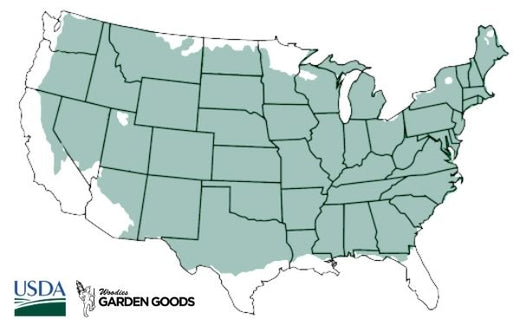
| Hardiness Zone: | 4-8 |
|---|---|
| Mature Height: | 1 to 2 inches |
| Mature Width: | 12 to 18 inches |
| Sunlight: | Full sun to part shade |
| Bloom Time / Color: | Late spring to early summer; tiny white flowers |
| Soil Condition: | Moist, well-drained, moderately fertile, acid to neutral soil |
| Water Requirements: | Moderate; prefers even moisture and dislikes prolonged drought |
| Wildlife Value | Modest pollinator value during bloom |
| Resistance | Light foot-traffic tolerant, generally low-maintenance, dislikes intense heat, drought, and waterlogging |
| Landscape Uses | Between pavers, rock gardens, path edging, troughs, small lawn alternative areas, ground cover |
How to Care for Irish Moss
After purchasing your Irish Moss, be sure to read our recommended care instructions to ensure this perennial groundcover is happy and healthy for years to come.

How should I plant Irish Moss?
Plant Irish Moss in full sun to part shade in moist, well-drained soil. Dig a shallow planting hole just wide enough for the root ball, set the plant so the crown sits level with the surrounding soil, and firm it in gently so the roots make good contact without burying the foliage. Water thoroughly after planting and space individual plants so they can knit together into a continuous mat over time. Irish Moss is especially effective when planted between stepping stones, along path edges, or in rock gardens where the soil drains well and the foliage can stay low and tidy.

How often should I water Irish Moss after planting?
Water Irish Moss deeply right after planting, then keep the soil evenly moist during establishment. This plant performs best when it does not dry out for long stretches, especially while the roots are settling in and the mat is beginning to spread. After establishment, continue watering during dry periods, particularly in warm weather or very fast-draining soil. The goal is steady moisture, not soggy conditions, because Irish Moss dislikes both drought stress and waterlogged ground.

When should I fertilize Irish Moss?
Fertilize Irish Moss lightly in spring if the soil is lean or if growth seems weak. A modest application of balanced slow-release fertilizer or compost is usually enough to support healthy green growth without pushing the plant too hard. Avoid heavy feeding, as this is a low-growing ground cover that does not require aggressive fertilization to perform well. In many gardens, good soil and regular moisture are more important than frequent fertilizer applications.

When and how should I prune Irish Moss?
Irish Moss does not usually need formal pruning. If the mat begins to creep onto paving or develop ragged edges, you can trim it lightly in spring or after flowering to keep the planting neat and contained. Any cleanup should be gentle and selective, focusing on tidying the outline or removing browned patches. The goal is simply to maintain the soft carpet effect and encourage fresh, dense regrowth where needed.