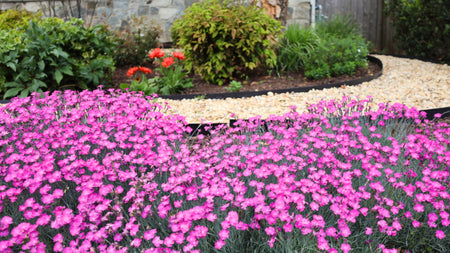
Images Depict Mature Plants
May Breeze Phlox
Phlox divaricata 'May Breeze'
May Breeze is a really smart plant for a garden that needs spring color in part shade, without looking too formal or forced. I like it because the flowers lighten up darker spaces, the fragrance is a bonus, and it spreads just enough to make the planting feel more established over time. It is also nice to know it offers deer resistance and native garden value at the same time.

15% OFF SITEWIDE SUMMER SALE
Use Code HELLOSUMMER15 at Checkout!
📦 Free shipping on orders over $99.
Delay shipping by leaving us a message at Checkout.
Share:

Fragrant Spring Color for Woodland and Shade Gardens
A Native Woodland Phlox With Soft, Luminous Spring Flowers
May Breeze Phlox is a beautiful choice for homeowners who want a native perennial that brightens shady spaces in spring. Its flowers are pale blue to nearly white, often reading as soft white in the garden, and they create a fresh, glowing look beneath trees, along woodland edges, and in part-shade borders. The blooms rise above the foliage in loose clusters, giving the plant a relaxed, natural beauty that feels right at home in layered landscapes.
That soft flower color is one of the biggest reasons this plant stands out. Instead of getting lost in shade, it helps lighten darker garden corners and adds a gentle, elegant look that pairs beautifully with ferns, spring bulbs, and other woodland favorites.
A Fragrant Native Perennial That Spreads Into a Living Carpet
One of the strongest reasons to plant May Breeze Phlox is the way it gradually fills in around itself. It forms a low spreading mat of foliage and can create a handsome groundcover effect over time, especially in woodland-style plantings and naturalized garden spaces. That makes it especially useful for homeowners who want more than just a single clump of spring flowers.
The fragrance adds another layer of value. Near walkways, patios, and entry gardens, the flowers bring a soft, sweet scent that makes the plant even more rewarding in spring. It is the kind of perennial that feels both ornamental and welcoming.
A Great Fit for Shade Gardens, Woodland Edges, and Underplanting
May Breeze Phlox is especially useful where many sun-loving perennials would struggle. It performs beautifully in part shade and bright woodland conditions, where it can weave through mixed borders or soften the front edge of a planting. It also works well as an underplanting beneath shrubs and roses, where its spring bloom helps fill in the space before later-season plants take over.
Because it stays relatively low and spreads gently, it is a very practical choice for both smaller shade gardens and broader naturalized areas. Homeowners who want a native perennial that feels easy and graceful often find this phlox especially rewarding.
Pollinator-Friendly and Deer Resistant
May Breeze Phlox is also a smart choice for gardeners who want ecological value alongside beauty. The spring flowers attract pollinators, especially butterflies and other early-season visitors, making it a useful plant in wildlife-friendly landscapes. It is also considered deer resistant, which adds practical value in areas where browsing pressure can be a concern.
That combination of native value, pollinator support, and deer resistance makes it especially useful in real residential gardens. It is not just pretty for a few weeks. It is a perennial that helps a planting work harder.
Easy-Care Beauty for Cooler, Shadier Spaces
May Breeze Phlox performs best in part shade with humus-rich, moist, well-drained soil, though once established it can handle some drier conditions better than many woodland plants. It appreciates a garden setting where the roots stay cooler and where the foliage is not stressed by harsh afternoon sun.
For homeowners who want a fragrant native perennial with soft spring color, deer resistance, and a spreading woodland habit, May Breeze Phlox is one of the best choices available.
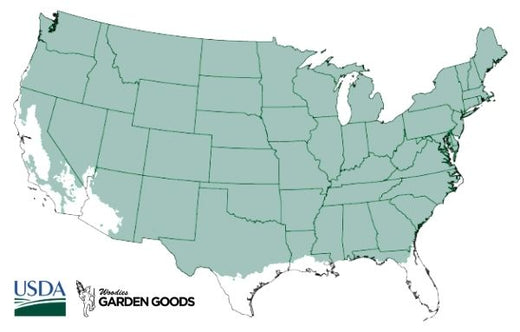
| Hardiness Zone: | 3-8 |
|---|---|
| Mature Height: | 12 to 16 inches |
| Mature Width: | 12 to 24 inches |
| Sunlight: | Part shade to full shade; can take gentle morning sun |
| Bloom Time / Color: | Mid to late spring; pale blue to nearly white fragrant flowers |
| Soil Condition: | Humusy, moist, well-drained soil |
| Water Requirements: | Regular moisture during establishment; average to moist soil preferred |
| Ornamental Features | Fragrant blooms, spreading mat-forming habit, woodland groundcover value |
| Wildlife Value | Pollinator-friendly native perennial |
| Resistance (deer/disease/drought/etc.) | Deer resistant; drought tolerant once established; may be prone to powdery mildew in stress conditions |
| Landscape Uses | Woodland garden, shade border, native planting, underplanting shrubs, groundcover, naturalized area |
How to Care for May Breeze Phlox
After purchasing your Blue Moon Phlox, be sure to read our recommended care instructions to ensure this perennial groundcover is happy and healthy for years to come.

How should I plant May Breeze Phlox?
Plant May Breeze Phlox in part shade to full shade in moist, well-drained soil enriched with organic matter. Dig a hole about twice as wide as the root ball but no deeper than the root ball itself, and set the plant so the crown sits level with the surrounding soil. Water thoroughly after planting and mulch lightly to help keep the root zone cool and evenly moist. This phlox works especially well in woodland borders, under shrubs, along shaded paths, and in native garden spaces where it has room to spread gently. It looks best when allowed to knit into a soft groundcover rather than being isolated as a single tiny clump.

How often should I water May Breeze Phlox after planting?
Water deeply right after planting and keep the soil evenly moist during the first growing season. Deep watering is more helpful than frequent shallow watering because it encourages stronger root development and helps the plant establish more successfully. Once established, May Breeze Phlox is more tolerant than many woodland perennials, but it still performs best when the soil does not stay dry for long stretches. During dry periods, supplemental watering helps preserve healthy foliage and better flowering.
-v1775235962935.png?90x89)
When should I fertilize May Breeze Phlox?
May Breeze Phlox usually does not need heavy feeding. A light application of balanced slow-release fertilizer or compost in early spring is usually enough if the plant appears to need support. In many gardens, rich organic soil and steady moisture are more important than frequent fertilization. Too much fertilizer can encourage overly soft growth and may reduce the tidy, spreading habit that makes this plant so useful. A moderate approach is generally best.

When and how should I prune May Breeze Phlox?
May Breeze Phlox usually needs only light cleanup. After flowering, you can trim back spent stems to keep the planting neater and help reduce the chance of mildew issues later in the season. If the plant starts to look tired in summer, a light post-bloom cleanup is often enough to refresh it. In most cases, it does not need aggressive pruning, and a gentle touch preserves its natural spreading habit.