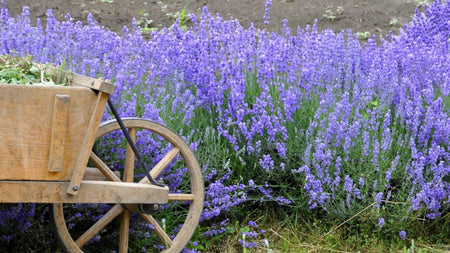
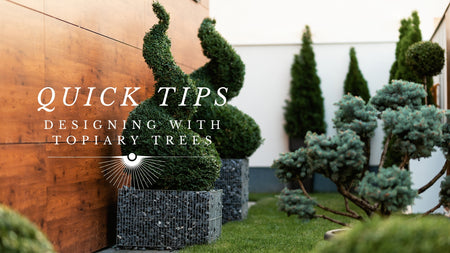
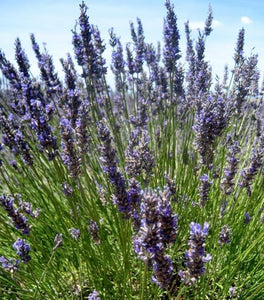
Images Depict Mature Plants
Lavender Topiary (Lavandula x intermedia ‘Provence’)
Lavandula x intermedia 'Provence' Topiary
I love this Lavender Topiary because it’s one of the rare plants that feels like décor and a real garden plant at the same time—tidy shape, instant fragrance, and it makes a sunny spot feel calmer the minute you walk by. Give it bright sun, let the soil dry a touch between waterings, and it’ll stay crisp and gift-worthy… then turn into a patio performer once it can live outside.

Take 15% OFF SITEWIDE
Use Coupon Code: MADNESS15
📦 Free shipping on orders over $99.
Delay shipping by leaving us a message at Checkout.
Share:Recommended Add-Ons


Live Lavender Topiary for Fragrance, Décor, and Sunny Patio Style
A Living Lavender “Tree” That Smells As Good As It Looks
This Lavender Topiary is the easiest way to add instant charm—one plant, polished shape, and that unmistakable Provence-lavender fragrance every time you brush past it. The topiary form gives you a clean, sculpted look that feels finished right away, whether it’s sitting by the front door, anchoring a sunny kitchen window, or dressing up a patio table. It’s décor you can keep enjoying long after the season passes.
And it’s not just pretty. Provence lavender is loved for its classic aroma and summer-bloom power, sending up fragrant lavender-colored flower spikes when grown in full sun outdoors. If you want a plant that feels giftable, useful, and genuinely uplifting—this one checks all three boxes.
Indoor Décor Now, Patio Performer Later
One of the best parts of this seasonal topiary is its flexibility. Enjoy it indoors through the colder months in your brightest, sunniest spot, then move it outside when temperatures allow. On a sunny deck or patio, it settles into “true lavender mode”—stronger fragrance, sturdier growth, and the best chance at summer blooms.
The secret is light. Lavender wants real sun, not “bright-ish.” Indoors, put it right in the sunniest window you’ve got and rotate the pot so it grows evenly. Outdoors, aim for full sun and good airflow. Treat it like a sun plant with high standards, and it rewards you with the look, scent, and performance people hope for when they buy lavender.
Low-Maintenance Care That Starts With Smart Watering
Lavender topiaries are simple to maintain once you understand the watering rhythm. In a 6-inch pot, the goal is evenly moist but never soggy. Water thoroughly, then let the top inch of soil dry before watering again. That “soak and dry down” cycle keeps roots healthy and helps prevent the biggest lavender killer: prolonged wetness.
A well-draining potting mix and a pot with drainage holes are non-negotiable. Indoors, you’ll usually water less often because growth slows in winter. Outdoors in summer sun, you may water more frequently—but still only after the soil has dried slightly. If you nail drainage and watering, lavender becomes refreshingly easy.
Pruning For A Crisp Shape And More Blooms
This topiary is already shaped for you—pruning is just how you keep it looking sharp. Light, frequent snips are better than heavy cutting. Think “haircut,” not “buzz cut.” Trim soft, green growth to maintain the silhouette and encourage branching, which helps the plant stay dense and full rather than open and leggy.
For flowering, lavender generally blooms on new growth under strong sun, so keeping it outdoors in full sun during the growing season gives you the best show. After bloom, a gentle shape-up helps keep it tidy and sets it up for the next flush. With minimal pruning and the right light, this plant stays clean, fragrant, and gift-worthy for the long run.
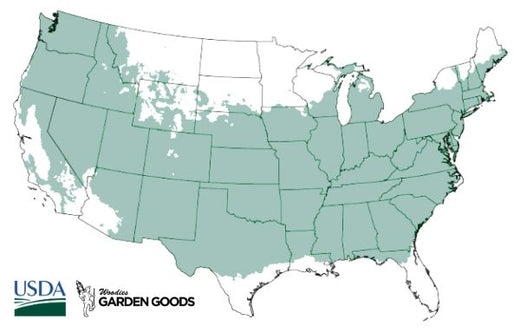
| Height | 2 to 3 Feet |
|---|---|
| Width | 2 to 3 Feet Wide |
| Sunlight | Full sun outdoors; brightest possible sun indoors |
| Soil | Well-drained, sandy/loamy preferred; avoid wet/heavy soil |
| Water | Dry to medium; water thoroughly, then allow slight dry-down (top inch dry) |
| Bloom Time / Color | Summer (often June–August); light lavender-purple, fragrant spikes |
| Wildlife Value | Pollinator-friendly when blooming (bees/butterflies) |
| Resistance | Deer resistant; drought tolerant once established |
| Landscape Uses | Patio containers, sunny entryways, herb gardens, pollinator beds, fragrance gardens, seasonal gifting |
How to Care for Lavender Topiary (Lavandula x intermedia ‘Provence’)
Be sure to read our planting instructions to ensure a healthy and happy Lavender Topiary plant for years to come!
-v1769699472265.png?92x91)
How should I plant Lavender Topiary?
Lavender Topiary ships in a 6-inch pot and can be enjoyed in the container or planted outdoors where hardy. For outdoor planting, choose a full-sun location with excellent drainage. Dig a hole twice as wide as the root ball, set the plant at the same depth it was growing in the pot, and backfill with native soil that drains well. If your soil holds water, plant slightly high or use a raised bed so the crown never sits in wet soil. Water in deeply after planting, then mulch lightly (keeping mulch off the stems). Lavender hates being smothered, so prioritize airflow and drainage over rich, wet soil.
-v1769699503172.png?89x84)
How often should I water Lavender Topiary after planting?
Water thoroughly right after planting or repotting, then let the top inch of soil dry before watering again. In a small pot, that might mean watering more often than in-ground lavender, but the rule stays the same: deep watering followed by a dry-down period. Indoors during winter, watering usually decreases because growth slows—overwatering is the most common mistake. Outdoors in summer sun, check soil more frequently and water when it’s dry at the surface. Always empty saucers so the pot never sits in standing water.
-v1769699519467.png?90x89)
When should I fertilize Lavender Topiary?
Lavender generally prefers lean conditions, so fertilize lightly at most. If you want a boost for container growth, use a gentle, balanced fertilizer in spring as active growth begins, or top-dress with a small amount of compost. Avoid heavy feeding, especially in winter. Too much fertilizer can push soft growth and reduce the plant’s naturally sturdy habit and fragrance. For best performance, focus on sun, drainage, and smart watering—those matter more than fertilizer for lavender success.

When and how should I prune Lavender Topiary?
Prune lightly to maintain the topiary shape, trimming soft green growth as needed during the growing season. Small, regular touch-ups keep the plant dense and crisp-looking and help prevent the “open center” look that can happen when lavender gets leggy. After flowering, you can do a gentle shape-up to keep it tidy, but avoid cutting deep into old, woody stems because lavender may not reliably re-sprout from bare wood. Keep pruning modest, keep it sunny, and the topiary form stays clean and attractive.