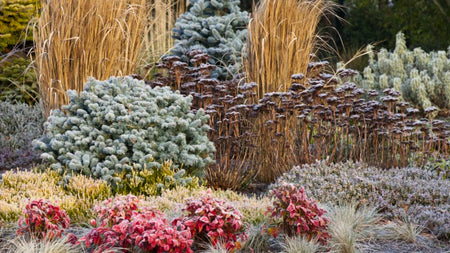
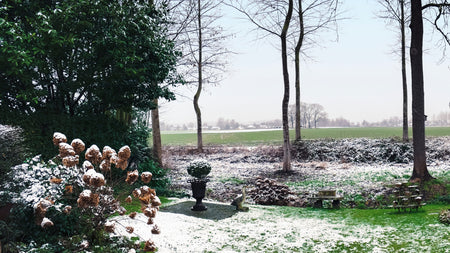
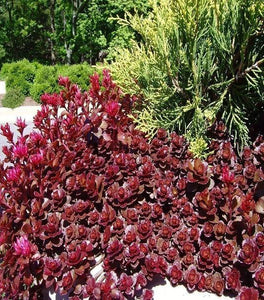
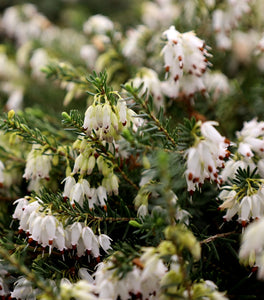
Images Depict Mature Plants
Kramer's Red Heather
Erica x darleyensis 'Kramer's Red'
Kramer's Red Heather is one of those plants that earns its keep, bringing real color when the garden needs it most. It stays neat, handles tough spots well, and lights up winter beds with a bloom show that feels a lot bigger than the plant itself.

15% OFF SITEWIDE SALE
Use Code 'PRIMETIME15' At Checkout
📦 Free shipping on orders over $99.
Delay shipping by leaving us a message at Checkout.
Share:

Bold winter color on a compact evergreen mound
A bright burst of color in the cold season.
Kramer's Red Heather is prized for the vivid magenta-red flowers that appear in late winter and early spring, when most of the landscape is still waking up. Those blooms bring real energy to the garden and stand out beautifully against the plant’s dark green evergreen foliage.
Evergreen texture keeps it valuable all year.
Even when it is not in flower, Kramer's Red Heather earns its space with fine-textured evergreen foliage and a tidy mounded habit. It helps soften edges, fill small openings, and keep the front of the border looking full and finished year-round.
Compact growth makes it easy to use.
This is a low-growing, spreading shrub that works beautifully where larger evergreens would feel too heavy. It stays compact enough for smaller beds and containers, yet spreads enough to function as a flowering ground cover when planted in groups.
A strong fit for rock gardens, slopes, and borders.
Kramer's Red Heather is especially useful in rock gardens, along paths, on sunny slopes, and at the front of mixed borders. It also works well in pots and troughs, where the winter flowers can be appreciated up close. In mass plantings, it creates a colorful carpet effect that is especially striking in the cold season.
Easy care starts with sun and drainage.
Kramer's Red Heather performs best in full sun to light partial shade and in well-drained, acidic soil. Once established, it is fairly drought-tolerant and commonly regarded as deer-resistant. Light pruning after bloom helps keep it dense, fresh, and full of next season’s flower wood.
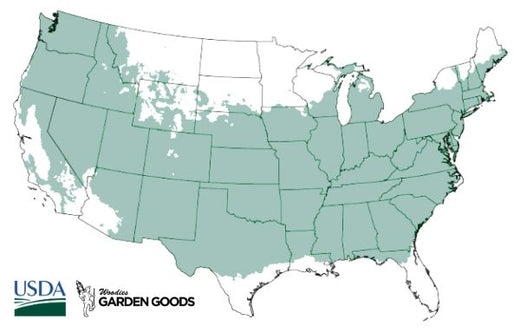
| Hardiness Zone: | 5-8 |
|---|---|
| Mature Height: | 1 to 1.5 feet |
| Mature Width: | 1.5 to 2 feet |
| Sunlight: | Full sun to part shade |
| Soil: | Acidic, well-drained soil |
| Water: | Moderate during establishment; drought tolerant once established |
| Bloom Time / Color: | Late winter to early spring; magenta-red to dark reddish-pink flowers |
| Foliage: | Fine-textured dark green foliage |
| Ornamental Features: | Bright winter blooms, evergreen texture, compact mounded habit |
| Wildlife Value: | Early nectar source for pollinators |
| Resistance (deer/disease/drought/etc.): | Commonly regarded as deer resistant; drought tolerant once established |
| Landscape Uses: | Ground cover, rock gardens, slopes, borders, containers, mass plantings |
How to Care for Kramer's Red Heather
Before you buy a Kramer's Red Heather, make sure to read about the care instructions that are recommended to keep this plant healthy and thriving.
-v1745616211583.png?92x91)
How should I plant Kramer's Red Heather?
Plant Kramer's Red Heather in full sun to light partial shade in acidic, well-drained soil. Dig a hole about twice as wide as the root ball, set the plant level with the surrounding soil, then backfill and water deeply to settle the roots. After planting, apply a light mulch such as pine bark or pine needles to help conserve moisture and support soil acidity, but keep mulch away from the crown. If planting in groups, space Kramer's Red Heather so the plants can spread and form a dense, colorful mat over time.
-v1745616238762.png?89x84)
How often should I water Kramer's Red Heather after planting?
Water Kramer's Red Heather deeply right after planting, then keep the soil evenly moist during the first growing season while it establishes. During warm weather, check soil moisture regularly and water when the upper layer begins to dry. Once established, Kramer's Red Heather becomes more drought tolerant and usually needs less supplemental watering. During extended dry periods, deep watering helps keep the foliage fresh and supports strong bloom performance the following season.
-v1745616259189.png?90x89)
When should I fertilize Kramer's Red Heather?
Fertilize Kramer's Red Heather lightly in early spring as new growth begins or just after flowering. A fertilizer made for acid-loving plants is usually the best fit, especially if your soil trends neutral or alkaline. Avoid heavy feeding, since heathers generally perform better with modest fertility than with repeated strong fertilizer applications. In the right soil, Kramer's Red Heather usually needs only light annual feeding to stay healthy and floriferous.

When and how should I prune Kramer's Red Heather?
Prune Kramer's Red Heather immediately after flowering in late spring. Light trimming of the spent flower stems helps keep the plant dense, rounded, and full of young growth for next year’s bloom. Avoid cutting back into old, bare wood whenever possible. Regular, light post-bloom pruning is the best approach for maintaining a compact, vigorous plant over time.