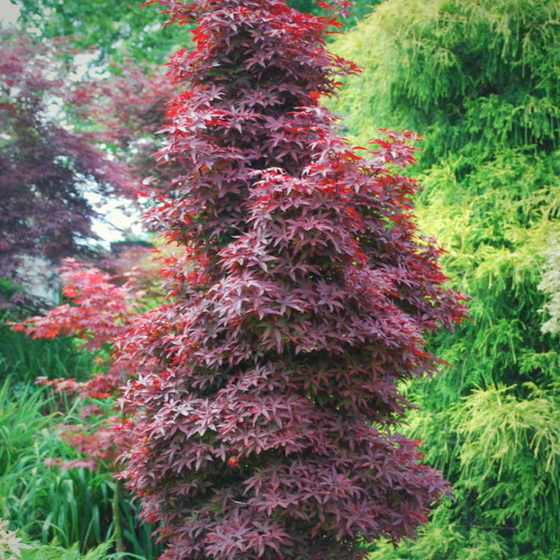


Images Depict Mature Plants
Twombly's Red Sentinel Japanese Maple
Acer palmatum 'Twombly's Red Sentinel'
Twombly's Red Sentinel Japanese Maple is a tree I like for all the reasons homeowners usually struggle to find in one plant: it brings elegant red foliage, strong fall color, and real specimen value without demanding a huge footprint. That upright columnar habit makes it incredibly useful near patios, front entries, and tighter garden spaces where a broader Japanese maple would feel oversized. If you want a red Japanese maple that feels refined, architectural, and easy to place, this one makes the decision pretty easy.

15% OFF SITEWIDE, USE CODE 'FALLPLANT15'
📦 Free shipping on orders over $99.
Delay shipping by leaving us a message at Checkout.
Share:


Elegant Upright Color for Narrow Garden Spaces
A narrow red Japanese maple with standout vertical form
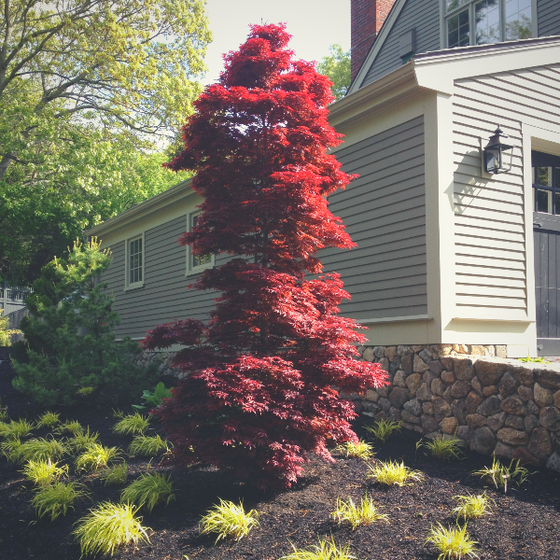
Twombly's Red Sentinel Japanese Maple offers something many homeowners struggle to find in ornamental trees: real color and elegance in a narrow footprint. This upright, columnar selection maintains a much tighter profile than broader red Japanese maples, making it an excellent choice for entry foundations, courtyard gardens, patio edges, and other spaces where width matters as much as beauty. Its vertical habit adds height and definition to the landscape without overwhelming nearby walkways, windows, or neighboring plants.
That strong shape is part of what makes this tree feel so refined. Rather than spreading out into a wide canopy, it holds a more architectural silhouette that works beautifully in formal layouts, Asian-inspired gardens, and modern mixed beds. Gardeners who love the color of red Japanese maples but do not have room for a broad specimen often find this cultivar to be the answer. It delivers that familiar elegance in a more space-efficient form, which makes it especially useful in today’s smaller residential gardens.
Season-long red foliage with a brilliant fall finale
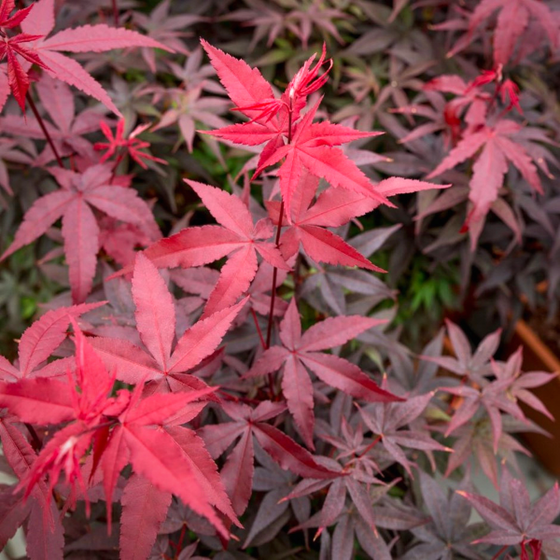
The foliage is a major reason to plant Twombly's Red Sentinel. New leaves emerge bright red, then deepen into rich burgundy and red-purple tones through the growing season. That steady color gives the landscape a strong visual anchor from spring into summer, helping nearby green shrubs, gold foliage plants, and flowering perennials stand out more clearly. It is a tree that adds mood, depth, and contrast rather than fading into the background.
Fall is when this Japanese maple really puts on a show. As temperatures cool, the foliage shifts into brighter scarlet tones that bring fresh intensity just when the landscape needs it most. Even after leaf drop, the red-toned stems and twigs continue to provide winter interest, giving the tree value beyond the growing season. For gardeners who want a specimen tree that delivers across multiple seasons, this cultivar offers a long season of ornamental performance rather than a short-lived highlight.
A refined specimen for courtyards, entries, and small gardens
Because of its upright growth and relatively restrained spread, Twombly's Red Sentinel is especially useful where broader ornamental trees would feel crowded. It works beautifully near front entrances, along narrow garden paths, beside patios, and in foundation beds that need vertical emphasis. It can also serve as a focal point in courtyard gardens or as a soft architectural accent in mixed borders, where its narrow profile helps maintain clean lines.
This is also a smart choice for gardeners building layered plantings in smaller spaces. Instead of taking over the entire bed, it leaves room for lower shrubs, hostas, heucheras, ferns, or seasonal color around the base. That makes it easy to create depth and composition without sacrificing circulation or visual balance. If the goal is to add a specimen tree that feels elegant, colorful, and tailored to the space, this cultivar fits that role exceptionally well.
Dependable beauty with thoughtful placement and easy care
Twombly's Red Sentinel performs best in well-drained soil with regular moisture during establishment. It appreciates protection from harsh drying conditions, especially in hotter climates, and it responds well to mulch that helps keep the root zone cool and evenly moist. Full sun to part shade can both work well, though some afternoon protection is beneficial in hotter settings where leaf scorch can be a concern. With the right siting, it develops strong color and a graceful, healthy canopy.
Once established, it is a relatively low-maintenance ornamental tree that needs more thought in placement than in ongoing upkeep. Light structural pruning, consistent watering during dry spells, and avoiding overly exposed, reflective heat are usually enough to keep it looking its best. For homeowners who want a high-end ornamental look without an oversized tree, Twombly's Red Sentinel offers a polished balance of beauty, restraint, and long-term garden value.
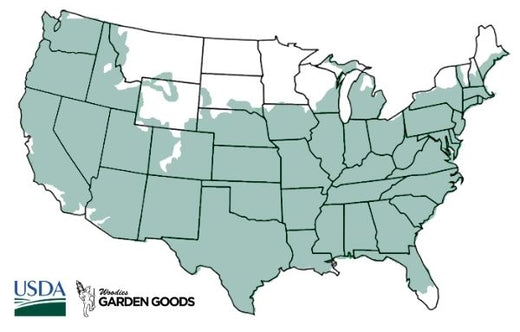
| Hardiness Zone: | 5-9 |
|---|---|
| Mature Height: | 10 to 15 Feet |
| Mature Width: | 7 to 8 Feet |
| Sunlight: | Full sun to part shade |
| Soil Condition: | Moist, well-drained, slightly acidic, organically rich soil preferred |
| Water Require: | Regular water during establishment; moderate moisture thereafter, especially in dry periods |
| Bloom Time / Color | Inconspicuous spring bloom; grown primarily for red foliage |
| Wildlife Value | Adds shelter and seasonal garden structure; useful in layered habitat plantings |
| Resistance (deer/disease/drought/etc.) | Moderately heat tolerant, generally low maintenance; may develop leaf scorch in overly hot, dry exposur |
| Landscape Uses | Specimen tree, courtyard garden, entry planting, patio accent, narrow-space focal point, Japanese garden |
How to Care for Twombly's Red Sentinel Japanese Maple
Be sure to read our planting instructions to ensure a healthy and happy Twombly's Red Sentinel Japanese Maple for years to come!

How should I plant Twombly's Red Sentinel Japanese Maple?
Plant Twombly's Red Sentinel Japanese Maple in well-drained soil where the root flare will sit level with the surrounding grade. Dig a hole two to three times wider than the root ball and no deeper than the root ball itself, then backfill with the native soil so the roots can establish naturally into the surrounding area. Water thoroughly after planting and apply a two- to three-inch mulch layer around the base to help retain moisture and regulate soil temperature, keeping mulch away from the trunk. Choose a site with enough vertical room and a little breathing space around the canopy so the tree can develop its upright form without crowding structures or nearby shrubs.

How often should I water Twombly's Red Sentinel Japanese Maple after planting?
Water Twombly's Red Sentinel Japanese Maple deeply and consistently during the first growing season so the root system can establish well. In most landscapes, that means a deep soaking once or twice a week depending on rainfall, soil type, and temperature, with the goal of keeping the root zone evenly moist but not soggy. After establishment, continue watering during extended dry spells, especially during summer heat. Japanese maples perform best when they do not swing between bone-dry and saturated conditions, so steady moisture and good drainage are more important than frequent shallow watering.

When should I fertilize Twombly's Red Sentinel Japanese Maple?
Fertilize Twombly's Red Sentinel Japanese Maple lightly in early spring if needed, just as new growth begins. A balanced slow-release fertilizer or a modest topdressing of compost is usually enough to support healthy foliage and steady growth without pushing the tree too hard. Avoid heavy fertilization, especially high-nitrogen feeding, because it can encourage overly soft growth and reduce the refined habit that makes this tree so attractive. In good soil, many Japanese maples need only minimal feeding to maintain strong color and healthy structure.

When and how should I prune Twombly's Red Sentinel Japanese Maple?
Prune Twombly's Red Sentinel Japanese Maple in late winter or during the dormant season to remove dead, damaged, or crossing branches and to preserve its natural upright form. Use clean, selective cuts rather than shearing so the tree keeps its graceful structure and does not develop a forced or crowded look. Light corrective pruning can also be done in summer if needed, but major shaping is usually unnecessary. This cultivar looks best when its natural columnar habit is respected, so pruning should focus on clarity, airflow, and branch structure rather than aggressive size reduction.