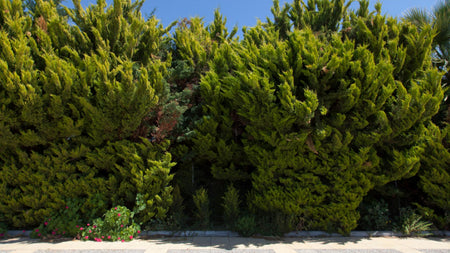
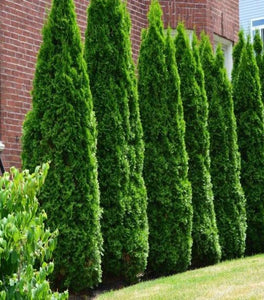
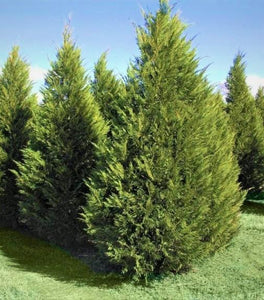
Images Depict Mature Plants
North Pole Arborvitae
North Pole Arborvitae is my go-to when someone says, “I need privacy, but I don’t have room for a big hedge.” It’s tall, narrow, naturally tidy, and it keeps that deep green look through winter when a screen matters most. Give it a sunny spot, consistent water in year one, and optional light tip-trimming for density, and you’ll end up with a clean evergreen wall that fits real-life yards.

15% OFF SITEWIDE SALE
Use Code 'PRIMETIME15' At Checkout
📦 Free shipping on orders over $99.
Delay shipping by leaving us a message at Checkout.
Share:

North Pole Arborvitae For Narrow Privacy Screens And Year-Round Green
A tall, narrow privacy hedge that fits where others won’t
North Pole Arborvitae is built for the “tight-space screen” problem, those side yards, fence lines, and narrow beds where you want real height without donating half the property to a hedge. It grows naturally slender and upright, delivering an evergreen wall effect without the bulky spread of many privacy trees. That makes it a smart choice for small yards, townhouse lots, and any landscape where inches matter, but privacy still matters more.
It also looks intentionally designed. The silhouette is clean and architectural, so it works as a formal hedge, a repeating vertical accent, or a paired entry planting that adds structure instantly. If you’ve ever wanted the confidence of a privacy hedge but hesitated because the space felt too tight, North Pole gives you a realistic, scalable solution.
Deep green foliage with better winter presence and less fuss
The foliage is dense, rich green, and holds its color well through winter in many climates—one of the reasons homeowners love it for year-round curb appeal. Because the growth habit is naturally narrow, it doesn’t require constant shaping to stay tidy. You can plant it and enjoy a clean, vertical look that stays consistent through the seasons, even when the rest of the landscape is sleeping.
In practical terms, this is a hedge that’s easier to keep looking good. A light trim is optional, not mandatory. If you do want a tighter hedge line, North Pole responds well to gentle tip-pruning, which encourages thicker growth without turning the plant into a wide, high-maintenance wall.
Cold-hardy performance for dependable screening in tough climates
The North Pole is valued for its strong cold hardiness and reliable performance across a wide range of conditions. It thrives in full sun to part shade and adapts to many soil types as long as drainage is reasonable. Once established, it becomes more forgiving of short dry spells, but it still looks best when the root zone doesn’t swing between extreme wet and extreme dry.
Like all arborvitae, the first season is where you “buy” long-term success. Consistent watering while it roots in, a mulch ring to buffer moisture and temperature, and basic winter protection in harsh, windy sites can make a dramatic difference in how quickly it fills in and how well it holds foliage through winter.
Hedge-ready results with spacing that matches your goal
North Pole is a win when you plant with a plan. Spacing determines how quickly the hedge knits together, how much airflow it has long-term, and how tight the finished screen will look. Closer spacing creates faster privacy, while slightly wider spacing reduces crowding and keeps maintenance easier as plants mature into their natural 3–5 foot width.
It’s also easy to “dial in” the look you want. For a dense screen, plant in a straight line with consistent spacing and keep the top slightly narrower than the base so light reaches lower foliage. For an even more tailored look, a light late-spring trim encourages extra branching. The result is a narrow evergreen hedge that looks crisp, performs reliably, and fits real landscapes.
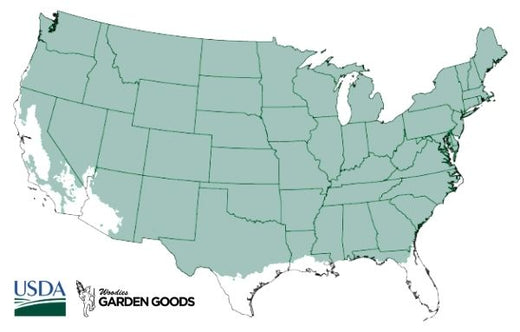
| Hardiness Zone: | 3-8 |
|---|---|
| Mature Height: | 10 to 15 Feet |
| Mature Width: | 3 to 5 Feet |
| Sunlight: | Full sun to part shade |
| Soil Condition: | Adaptable; best in well-drained soil (tolerates clay with drainage) |
| Water Requirements: | Moderate; keep evenly moist while establishing |
| Bloom Time / Color | Not ornamental; grown for evergreen foliage |
| Wildlife Value | Dense cover/shelter for birds |
| Resistance (deer/disease/drought/etc.) | Deer resistance is better than many arborvitae (protect young plants); good cold hardiness; drought tolerance improves once established |
| Landscape Uses | Narrow hedges, privacy screens, foundation accents, entry pairs, vertical evergreens for small yards |
How to Care for North Pole Arborvitae
After purchasing your North Pole Arborvitae, be sure to read our recommended care instructions to ensure this hardy evergreen tree is happy and healthy for years to come.
-v1772807887189.png?92x91)
How should I plant North Pole Arborvitae?
Plant North Pole Arborvitae in full sun to part shade in a spot with good drainage and room for its mature width. Dig a hole 2–3× wider than the root ball, set the plant so the top of the root ball sits level with (or slightly above) the surrounding soil, then backfill and water deeply to settle the roots. Finish with a 2–3 inch mulch ring over the root zone, keeping mulch a few inches away from the trunk. If you’re planting a hedge, stake a straight line first and pre-measure spacing so the row stays consistent. Avoid low areas that hold water after rain and avoid planting too close to walls where airflow is limited. Good drainage and airflow are the easiest ways to grow a thicker, healthier screen.
-v1772807888167.png?89x84)
How often should I water North Pole Arborvitae after planting?
Water deeply right after planting, then keep the root zone evenly moist through the first growing season. In most landscapes, a deep soak 1–2 times per week during dry stretches is a solid starting point, adjusting for heat, wind, and soil type. Water at the base rather than overhead so foliage stays drier and healthier. After establishment, the North Pole becomes more drought-tolerant, but it still looks best with supplemental watering during prolonged summer drought. Deep, occasional watering encourages deeper roots and helps the hedge stay full from top to bottom instead of thinning from stress.
-v1772807889129.png?90x89)
When should I fertilize North Pole Arborvitae?
Fertilize in early spring as new growth begins, using a slow-release evergreen/tree-and-shrub fertilizer. If your soil is already fertile, a compost top-dress can be enough—North Pole doesn’t need heavy feeding to perform, and pushing growth too hard can increase watering needs. Avoid late-summer fertilizing, which can encourage tender growth at the wrong time in colder climates. The simplest routine is light spring feeding, mulch, and consistent moisture during establishment.

When and how should I prune North Pole Arborvitae?
Pruning isn’t required because the North Pole naturally grows narrow and columnar. If you want extra density or a tighter hedge line, do a light tip-trim in late spring to early summer after the first flush of growth. Keep the top slightly narrower than the base so sunlight reaches lower foliage and the hedge stays full. Avoid cutting back into old, leafless wood, because arborvitae may not reliably re-sprout from bare stems. Consistent, light trimming (rather than occasional hard cutting) is the best way to maintain a dense, narrow screen.