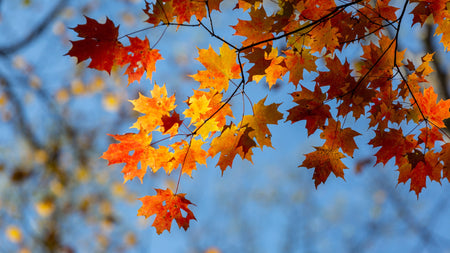
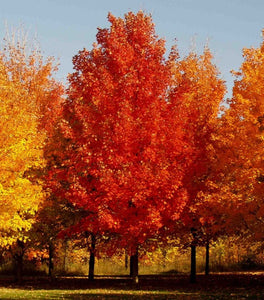
Images Depict Mature Plants
Black Gum Tree
Nyssa sylvatica
If you want one tree that earns its keep in every season, Black Gum is hard to beat: glossy green summer foliage, a naturally handsome shape, and fall color that looks like a whole sunset got stuck in your yard. I love it as a legacy shade tree because it feels both refined and wildly natural, and it brings real wildlife value when berries are present.

15% OFF SITEWIDE SALE
Use Code 'PRIMETIME15' At Checkout
📦 Free shipping on orders over $99.
Delay shipping by leaving us a message at Checkout.
Share:


Black Gum Tree For Brilliant Fall Color, Native Shade, And Wildlife Value In A Long-Lived Landscape Tree
Spectacular Fall Color That Turns Heads From The Street
Black Gum Tree is famous for its fall color, which looks almost painted on: scarlet, orange, yellow, and deep maroon tones can all appear on the same tree at once. Through spring and summer, you get glossy, dark green leaves that make the canopy feel rich and polished, then autumn arrives, and the entire tree becomes a focal point. If your goal is a yard that feels alive and memorable in fall, Black Gum is one of the most reliable native choices for that “wow” moment.
This is the kind of tree that improves the whole neighborhood view. Plant it where its fall color can be seen from windows, patios, and the street, and it becomes a seasonal landmark you look forward to every year. Full sun typically produces the strongest color, but it can also perform in partial shade, especially in landscapes that get bright morning light and lighter afternoon exposure. Either way, the fall show is the headline feature, and the glossy summer foliage is the quiet, elegant supporting act.
A Native Shade Tree With Strong Structure And Real Longevity
Black Gum (also called Black Tupelo) grows into a handsome shade tree with an upright, densely branched habit and a naturally refined silhouette. It’s a smart choice when you want shade that feels graceful rather than bulky, and it fits beautifully into native landscapes, naturalized plantings, and classic lawn-and-bed designs. Mature trees provide a meaningful canopy without looking coarse, and the branching structure tends to read strong and intentional as the tree develops.
This is also a “plant once, enjoy for decades” kind of purchase. Black Gum is known for its longevity and steady performance across a wide range of landscapes. It can be used as a specimen shade tree, a background tree behind borders, or an anchor in a native planting where you want long-term structure and seasonal drama. If you like the idea of planting a tree that will still feel relevant and beautiful years from now, Black Gum is a legacy move.
Wildlife-Friendly Berries And Pollinator Value That Support A Living Yard
Beyond beauty, Black Gum brings real ecological value. Its spring flowers are small and not showy, but they can be important for pollinators, and the tree is associated with highly prized honey production in tupelo regions. In the fall, female trees can produce small, blue-black fruits that are a valuable food source for birds and other wildlife, especially during migration season, when natural food becomes scarce. That makes Black Gum a strong choice if you want your landscape to feel more alive and connected to the local ecosystem.
A helpful planning note: Black Gum is typically dioecious, meaning male and female flowers are often on separate trees. If fruit is important to you, having a male pollinator nearby can increase the chance of berries on a female tree. Even without fruit, the tree still offers habitat value and a strong native presence, and it pairs beautifully with understory shrubs and perennials that extend the wildlife benefits at ground level.
Adaptable Performance In Well-Drained Soil With Good Establishment Care
Black Gum is impressively adaptable once established, but it performs best when you get two basics right: drainage and early watering. It prefers moist, slightly acidic to neutral soils, yet it can tolerate clay and a range of conditions as long as it is not stuck in constantly waterlogged ground. Choose a site that drains well, and give it consistent watering during its first growing season so roots settle in and start expanding beyond the original root ball.
After establishment, Black Gum can handle normal weather swings better than many shade trees, including periodic dry spells, especially when mulched. Add a 2–3-inch mulch ring (kept away from the trunk) to stabilize moisture and temperature and reduce lawn competition in the root zone. Because Black Gum develops a strong root system, it’s best to plant young and avoid unnecessary transplanting later. Start it right, and it rewards you with dependable growth, strong structure, and the kind of fall color that never feels ordinary.
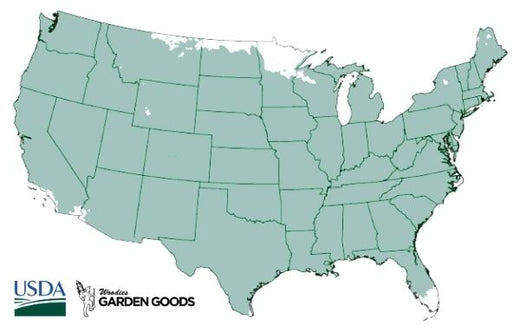
| Hardiness Zone: | 4-9 |
|---|---|
| Mature Height: | 30 to 50 Feet |
| Mature Width: | 20 to 30 Feet |
| Sunlight: | Full sun to partial shade |
| Soil Condition: | Any well-drained soil; tolerates clay; prefers slightly acidic to neutral |
| Water Requirements: | Water well until established |
| Bloom Time / Color | Spring; small greenish flowers (not showy) |
| Wildlife Value | Pollinator support; fruit can feed birds and wildlife |
| Resistance (deer/disease/drought/etc.) | Moderate drought tolerance once established; deer may browse young trees |
| Landscape Uses | Shade tree, specimen, native gardens, naturalized areas, rain-garden edges, fall color feature |
How to Care for Black Gum Tree
Be sure to read our planting instructions to ensure a healthy and happy Black Gum Tree for years to come!
-v1744814906799.png?92x91)
How should I plant Black Gum Tree?
Plant Black Gum Tree in a location with full sun to partial shade and well-drained soil. Dig a hole about twice as wide as the root ball and no deeper, then set the tree so the top of the root ball sits level with (or slightly above) the surrounding soil. Backfill, firm gently, and water deeply to settle the soil around the roots. Create a wide mulch ring 2–3 inches deep over the root zone, keeping mulch a few inches away from the trunk. This reduces competition from turf and helps maintain consistent moisture while the tree establishes. Because Black Gum develops a strong root system, it’s best to plant it in its long-term location early rather than planning to move it later.
-v1744814915212.png?89x84)
How often should I water Black Gum Tree after planting?
Water thoroughly right after planting, then keep the root zone consistently moist (not soggy) through the first growing season. A deep soak once or twice per week is a good starting point in the absence of rain, with more frequent watering during hot or windy stretches and less during cool, damp weather. In year two and beyond, shift toward deep watering only during extended dry spells. Let rainfall handle the routine work, but don’t allow the tree to repeatedly experience drought stress while it is still establishing. A mulch ring makes a noticeable difference by reducing evaporation and stabilizing the root zone.
-v1744814927282.png?90x89)
When should I fertilize Black Gum Tree?
Fertilize in early spring if your soil is poor or growth is slow, using a balanced, slow-release fertilizer applied around the drip line rather than against the trunk. Water it in well so nutrients move into the active root zone without burning roots or stimulating weak, overly lush growth. If your tree is growing well, you can often skip fertilizer and focus on mulch and moisture consistency instead. A spring top-dressing of compost under the mulch ring can improve soil structure gradually and support steady, healthy growth without pushing the tree too hard.

When and how should I prune Black Gum Tree?
Prune Black Gum Tree in late winter to early spring while the tree is dormant. Start by removing dead, damaged, or crossing branches, and then make only light, selective cuts to maintain a strong central leader and clean structure. Black Gum typically develops a naturally strong form, so heavy pruning is rarely needed. Avoid aggressive shaping during the growing season, and do not “lion-tail” interior branches, which can make limbs more prone to stress. Keep pruning minimal, structural, and consistent for the healthiest long-term canopy.