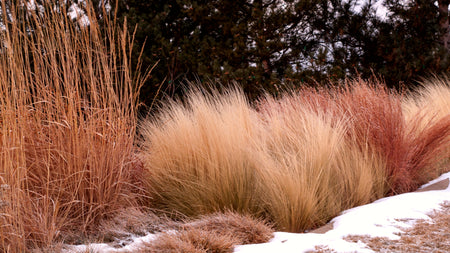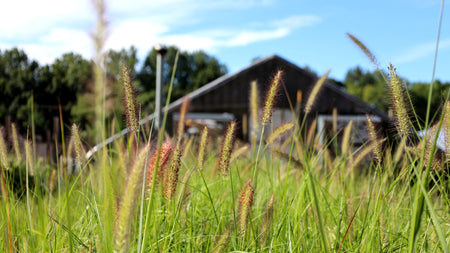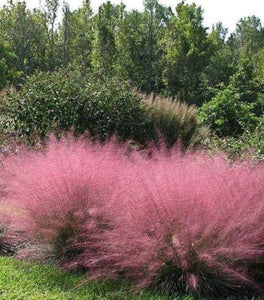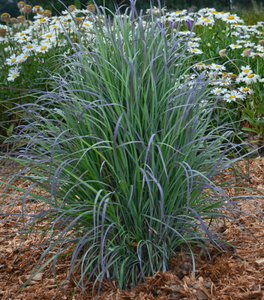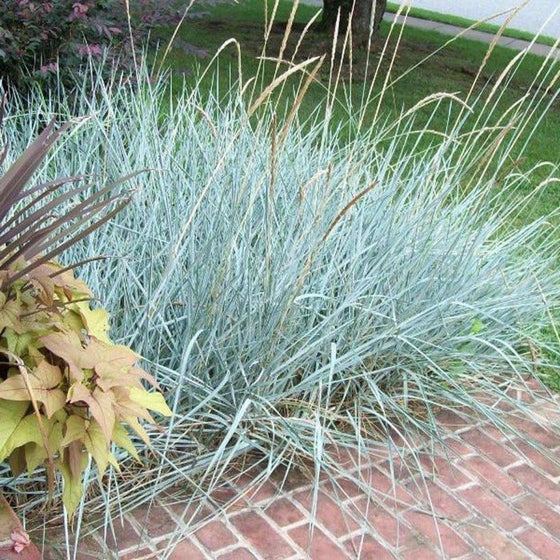
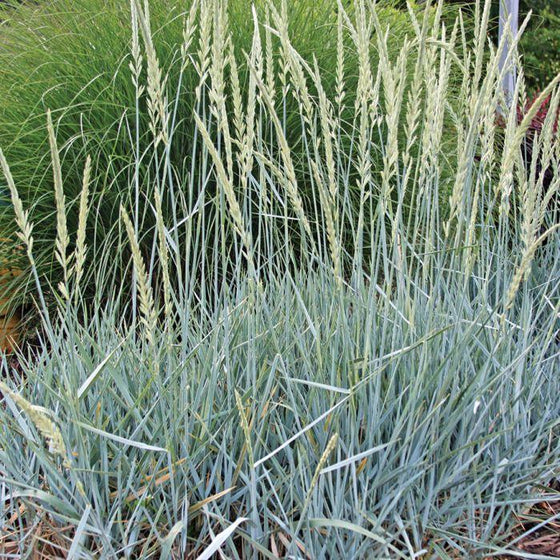


Images Depict Mature Plants
Blue Dune Lyme Grass
Elymus arenarius 'Blue Dune'
Blue Dune Lyme Grass is one of those grasses I like when a planting needs real texture and real toughness at the same time. The silver-blue foliage is striking, especially in sunny beds and coastal-style gardens, but what really makes it useful is how well it handles slopes, sand, drought, and exposure. When homeowners need a plant that can help cover ground, hold a bank, and still look sharp doing it, this one absolutely earns its spot.

15% OFF SITEWIDE SALE
Use Code 'PRIMETIME15' At Checkout
📦 Free shipping on orders over $99.
Delay shipping by leaving us a message at Checkout.
Share:Recommended Add-Ons



Silver-Blue Texture for Slopes, Shores, and Sunny Borders
Striking silver-blue foliage that stands out all season
Blue Dune Lyme Grass brings one of the coolest foliage tones you can add to a sunny landscape. Its broad, arching blades emerge in a strong silver-blue to steel-blue shade that instantly brightens borders, gravel gardens, and coastal-style plantings. That foliage color is what gives the plant its real visual value. Even when it is not in bloom, it reads as bold, clean, and architectural, especially against darker mulch, stone, green shrubs, or flowering perennials.
Because the leaves are broader than those of many ornamental grasses, the plant has a stronger presence than those of finer-textured options. It does not disappear into the background. Instead, it creates a striking band of cool-toned texture that can anchor the front or middle of a bed. For homeowners who want foliage color that feels fresh and dramatic without relying on flowers, Blue Dune Lyme Grass offers a very strong visual payoff.
Fast-spreading growth that solves problem areas quickly
Blue Dune Lyme Grass is especially useful where a landscape needs fast coverage and durable ground-level structure. It spreads by rhizomes, which allows it to fill open spaces more quickly than many clump-forming grasses. That makes it a practical choice for large, sunny areas, slopes, sandy sites, and erosion-prone spaces where homeowners want a plant that can stabilize the planting's look while also creating a more finished, intentional appearance.
That same vigor is also something to plan around carefully. This is not the best grass for tiny mixed beds where delicate neighboring plants could be crowded out over time. It shines in larger areas where spreading is an advantage rather than a problem. On slopes, broad banks, coastal plantings, and contained beds, its energetic habit becomes one of its best qualities because it brings both beauty and function at the same time.
Excellent for coastal gardens, slopes, and erosion control
Few ornamental grasses are as well-suited to harsh sunny sites as Blue Dune Lyme Grass. It tolerates salt, wind, drought, and sandy soil, which makes it a natural fit for coastal landscapes and exposed planting areas. It is also highly effective on slopes and banks where erosion control matters, because the spreading root system helps bind the soil while the top growth creates a broad, attractive layer of foliage that makes difficult sites look more intentional.
It also works beautifully in modern, naturalistic, and Mediterranean-style designs where foliage color and movement matter more than flower-heavy planting. Use it in broad drifts, along retaining walls, in gravel beds, or near the edge of a drive where the blue foliage can contrast strongly with stone and hardscape. For homeowners dealing with dry, exposed ground that needs both performance and style, this grass is a very smart option.
Low-maintenance performance when given sun and room
Blue Dune Lyme Grass performs best in full sun, though it can tolerate some partial sun, and adapts to a wide range of soil types as long as drainage is decent. Once established, it is notably drought-tolerant and very low-maintenance in the right setting. That durability makes it appealing for gardeners who want something eye-catching but do not want to spend the season fussing over watering and pampering.
It does, however, benefit from thoughtful placement and occasional management. Because it spreads, some gardeners prefer to use it in containers or defined spaces where growth can be more easily controlled. A seasonal cutback and occasional thinning keep it looking fresh and prevent it from overwhelming nearby plants. In the right location, that little bit of planning is well worth it for the color, texture, and problem-solving value it brings.
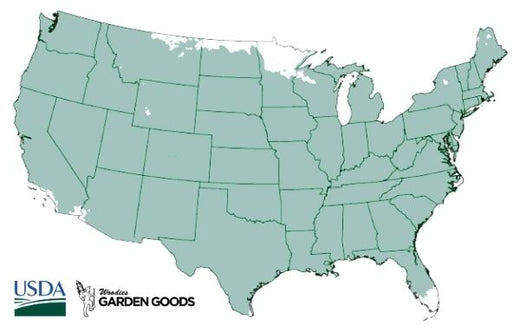
| Hardiness Zone: | 4-9 |
|---|---|
| Mature Height: | 2 to 3 Feet |
| Mature Width: | 2 to 3 Feet |
| Sunlight: | Full sun to part sun |
| Soil | Well-drained soil; adaptable to sandy, clay, average, and coastal soils |
| Bloom Time / Color | Summer / blue-gray flower spikes aging to beige |
| Wildlife Value | Provides cover and texture in larger plantings; can attract butterflies |
| Resistance (deer/disease/drought/etc.) | Resistance (deer/disease/drought/etc.) |
| Landscape Uses | Slopes, erosion control, coastal gardens, ground cover, borders, containers, large drifts |
How to Care for Blue Dune Lyme Grass
Before you buy a Blue Dune Lyme Grass, make sure to read about the care instructions and recommendations to keep this plant healthy and thriving.

How should I plant Blue Dune Lyme Grass?
Plant Blue Dune Lyme Grass in full sun to part sun in a well-drained site where it has room to spread. Dig a hole about two to three times wider than the root ball and no deeper than the root ball itself, then set the plant so the crown sits level with the surrounding soil before backfilling with the native soil. Water thoroughly after planting and mulch lightly to help conserve moisture while the roots establish, but avoid piling mulch tightly around the crown. Because this grass spreads by rhizomes, it is best planted where that vigorous habit is welcome, or in a controlled space such as a contained bed or large container.

How often should I water Blue Dune Lyme Grass after planting?
Water Blue Dune Lyme Grass regularly during the first growing season to help the roots establish well. In most gardens, that means watering deeply once or twice a week, depending on rainfall, drainage, and heat, to keep the soil evenly moist but not soggy. After establishment, this grass becomes much more drought-tolerant and usually needs supplemental water only during extended dry periods. Deep watering is more helpful than frequent shallow irrigation because it encourages stronger roots and supports better performance in exposed, sunny sites.

When should I fertilize Blue Dune Lyme Grass?
Fertilize Blue Dune Lyme Grass lightly in early spring if needed, just as new growth begins. A modest application of balanced slow-release fertilizer or compost is usually enough to support healthy foliage and steady growth without pushing the plant too hard. In many soils, heavy feeding is unnecessary. This grass is naturally vigorous, so too much fertilizer can encourage excessive spread and softer growth. A restrained approach typically gives the best balance of color, texture, and manageable habit.

When and how should I prune Blue Dune Lyme Grass?
Cut Blue Dune Lyme Grass back in late winter or early spring before fresh new growth begins. Remove the previous season’s foliage down to a few inches above the ground so the plant can push up clean new blades and maintain a fresher appearance. If the planting becomes too aggressive or crowded, divide or thin it from mid-spring into early fall. Light management like this helps keep the grass attractive and prevents it from overtaking nearby plants, especially in smaller garden settings.