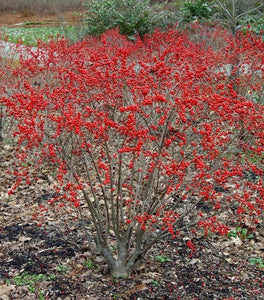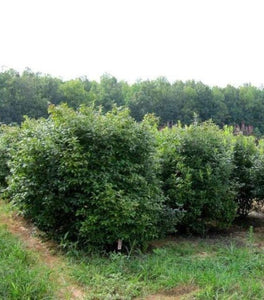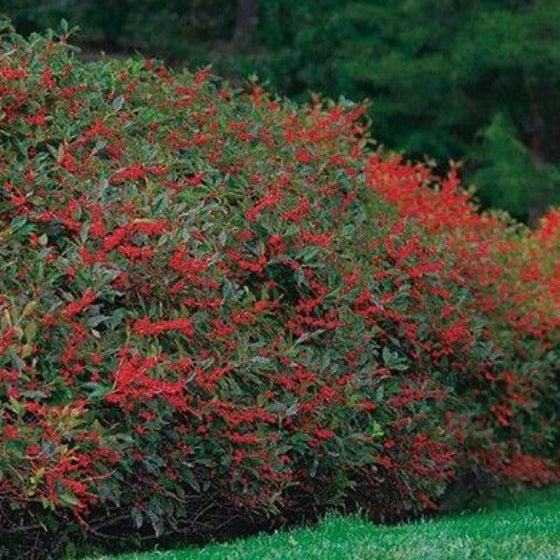


Images Depict Mature Plants
Winter Red Winterberry Holly
Ilex verticillata 'Winter Red'
Winter Red is one of those shrubs that makes winter feel like a season, not an off-switch. Bare branches packed with red berries that look incredible against evergreens and snow, and just as good clipped into a holiday arrangement. The secret is simple: give it sun, give it moisture while it establishes, and pair it with a male pollinator so the berry show is dependable every year.

15% OFF SITEWIDE SALE
Use Code 'PRIMETIME15' At Checkout
📦 Free shipping on orders over $99.
Delay shipping by leaving us a message at Checkout.
Share:

Winter Red Winterberry Holly For Brilliant Red Berries In Winter
Red berries that turn bare branches into winter décor
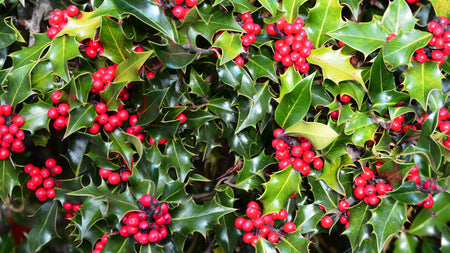
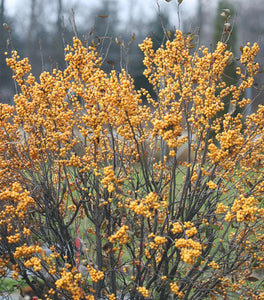
Winter Red Winterberry Holly is the classic “berries in winter” shrub. Leafless branches loaded with bright red fruit that looks incredible from late fall through the cold months. It’s the plant that makes winter landscapes feel intentional, not empty. Use it near entries, driveways, and windows where you’ll see the color daily, or mass it in a bed where the berry display becomes a true seasonal centerpiece.
Those berry-laden stems are also made for cutting. Clip a few branches for holiday arrangements, front-porch containers, and winter bouquets, and you’ll still have plenty of color left on the shrub. If your goal is winter interest that’s bold, photogenic, and genuinely useful, Winter Red delivers the kind of payoff you notice every time you come home.
A native shrub that brings birds, beauty, and real four-season value
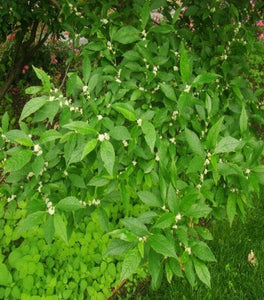
Winterberry holly is a North American native, and Winter Red is prized for its heavy fruit set and strong landscape presence. In spring and summer, it’s a clean, green shrub that blends easily into mixed borders. In fall, the berries begin to color, and once leaves drop, the red fruit becomes the main show, exactly when your garden needs it most.
Wildlife value comes built in. Birds rely on berry shrubs through winter, and planting winterberry adds habitat and food in a way that feels natural along woodland edges, in native gardens, and in mixed shrub beds. It’s the kind of plant that looks beautiful while quietly doing something meaningful for the landscape.
Reliable berry production starts with one simple pairing
Winter Red is a female winterberry holly, which means it needs a compatible male pollinator nearby to produce berries. The easiest, most reliable match is Southern Gentleman winterberry holly planted within the same general area of the yard. With that pairing in place, you set yourself up for the heavy berry display people picture when they buy winterberry.
For the best berry set, give Winter Red plenty of sun (more sun generally means more fruit), and keep soil moisture consistent during establishment. Winterberry naturally likes moist conditions and can handle heavier soils as long as the site isn’t permanently flooded. When you combine the right pollinator with the right siting, Winter Red becomes a dependable “berries every year” shrub.
Easy care, smart spacing, and pruning that protects next winter’s show
Winter Red is low-maintenance once established, but two things matter most: spacing and pruning. Give it room to mature into a full shrub, and it will produce more flowering wood and more berries. Plant closer for a hedge effect, or give each plant space for a full, rounded specimen; either approach works when you choose spacing on purpose.
Pruning is simple: do it at the right time. Winterberry sets flower buds on the current season’s growth, so late-winter pruning is the standard approach: thin older stems, improve airflow, and encourage vigorous new shoots that will flower and fruit. A light, consistent routine keeps the shrub healthy and productive without sacrificing the berry display you’re growing it for.
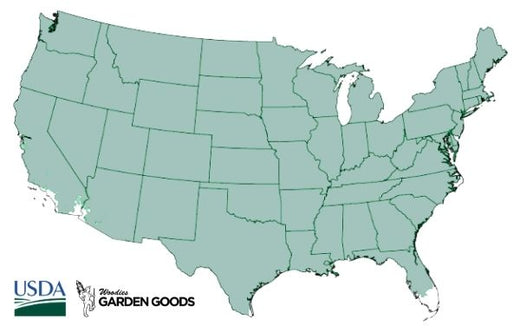
| Hardiness Zone: | 3-9 |
|---|---|
| Mature Height: | 6 to 8 Feet |
| Mature Width: | 6 to 8 Feet |
| Sunlight: | Full sun to part shade (best berries in more sun) |
| Bloom Time / Color: | Late spring; small white flowers (inconspicuous) |
| Soil Condition: | Moist, acidic to neutral, well-drained; tolerant of heavier/wetter soils |
| Water Requirements: | Moderate; keep evenly moist while establishing |
| Wildlife Value: | Berries feed birds; dense branching provides cover |
| Resistance (deer/disease/drought/etc.): | Deer resistance can vary; tolerates wet sites; drought tolerance improves once established |
| Landscape Uses: | Winter berry display, native gardens, rain-garden edges, mixed borders, hedges, cut stems for décor |
How to Care for Winter Red Winterberry Holly
Before you buy an Winter Red Winterberry Holly, make sure to read about the recommended care instructions to keep this plant healthy and thriving.

How should I plant Winter Red Winterberry Holly?
Plant Winter Red Winterberry Holly in full sun to part shade in soil that stays evenly moist but drains reasonably well. Dig a hole 2–3 times wider than the root ball, set the shrub so the top of the root ball is level with the surrounding soil, backfill, and water deeply to settle. Add a 2–3 inch mulch ring over the root zone, keeping mulch a few inches away from the stems. Plan berries at planting time: include a compatible male winterberry holly nearby so pollination happens naturally each spring. Place Winter Red where winter color will be visible—near evergreen backdrops, along a path, or in a bed you see from indoors.

How often should I water Winter Red Winterberry Holly after planting?
Water deeply right after planting, then keep the root zone evenly moist through the first growing season. A deep soak once per week is a good baseline, increasing to 1–2 times per week during hot, dry stretches or in sandy soils. Water at the base of the shrub so moisture reaches roots efficiently. After establishment, Winter Red is more tolerant of short dry spells, but it performs best when it doesn’t dry out completely during summer heat. Consistent moisture supports stronger growth, better flowering, and a heavier berry display heading into fall.

When should I fertilize Winter Red Winterberry Holly?
Fertilize in early spring as new growth begins using a balanced slow-release shrub fertilizer, or top-dress with compost. Winterberry holly often performs best in slightly acidic soil, so compost and organic matter are great long-term allies for vigor and berry production. Avoid heavy late-season fertilizing, which can push tender growth at the wrong time. If the shrub is growing steadily and leaf color looks healthy, moderate spring feeding plus good watering habits is usually all it needs.

When and how should I prune Winter Red Winterberry Holly?
Prune in late winter while the shrub is dormant to encourage vigorous new growth and maintain a strong berrying framework. Focus on thinning: remove a few older stems at the base to refresh the plant, improve airflow, and encourage new shoots that will flower and fruit. Avoid hard pruning that strips out too much structure at once, especially if you’re trying to maximize berries. A consistent annual thinning routine keeps the plant productive, well-shaped, and loaded with fruit when winter arrives.