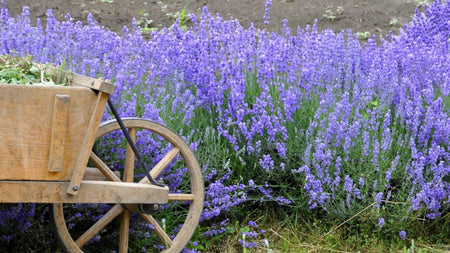
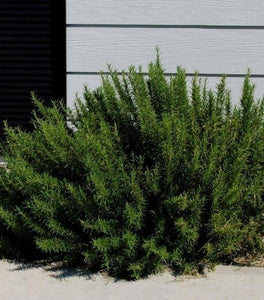
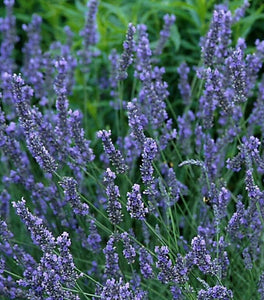
Images Depict Mature Plants
Rosemary Tuscan Blue
Rosmarinus officinalis 'Tuscan Blue'
Tuscan Blue Rosemary is one of the best rosemary varieties when homeowners want a plant that really earns its keep. It looks great, smells great, cooks beautifully, and gives you that upright, sun-loving Mediterranean character that works just as well in the landscape as it does in the kitchen.

20% Off Sitewide Sale!
Use Code 'ENDOFSEASON20' At Checkout
📦 Free shipping on orders over $99.
Delay shipping by leaving us a message at Checkout.
Share:Recommended Add-Ons


Fragrant Evergreen Rosemary with Upright Form, Blue Flowers, and Culinary Value
A Rosemary that is as useful as it is beautiful
Tuscan Blue Rosemary is a strong choice for homeowners who want a plant that pulls double duty in the garden. It brings the bold fragrance and culinary usefulness people expect from rosemary, but it also has an upright, architectural habit that makes it feel like much more than just a kitchen herb. This is the kind of plant that can anchor a sunny herb bed, soften a stone border, or add structure to a patio container while still giving you fresh sprigs to harvest.
Fragrant foliage and blue flowers create year-round interest
The foliage is richly aromatic, evergreen, and needle-like, giving the plant year-round texture and fragrance. When in bloom, Tuscan Blue Rosemary produces clear blue to blue-violet flowers that add a softer ornamental layer to the shrub-like form. That combination of evergreen foliage and seasonal bloom makes it especially useful for gardeners who want herbs that contribute real visual value rather than disappearing into the background.
An upright habit makes it especially easy to use in the landscape
One of the most appealing aspects of Tuscan Blue Rosemary is its strong, upright growth. It grows more vertically than trailing rosemary types, which makes it a very good fit for herb hedges, mixed borders, and sunny garden spaces where a more structural look is desired. It can be lightly clipped for a cleaner outline or left in a more natural form for a relaxed Mediterranean look.
Excellent for herb gardens, containers, and waterwise planting
Tuscan Blue Rosemary works beautifully in culinary gardens, raised beds, gravel gardens, rock gardens, and decorative pots. It is especially useful in waterwise or Mediterranean-style plantings where homeowners want fragrance, texture, and practical harvest value all in one plant. It also pairs naturally with lavender, sage, thyme, and other sun-loving herbs and perennials that appreciate similar conditions.
Best performance comes with sun, drainage, and restraint with water
Tuscan Blue Rosemary performs best in full sun and sharply drained soil, where it can develop strong flavor, dense branching, and healthier roots. Once established, it is notably drought-tolerant, but it does not like soggy soil or heavy, poorly drained conditions. In colder climates, container culture can be especially helpful because the plant can be moved or protected when winter temperatures become more severe.
How to Care for Rosemary Tuscan Blue
Before you buy a Tuscan Blue Rosemary Plant, make sure to read about the care instructions that are recommended to keep this plant healthy and thriving.
-v1776804089446.png?92x91)
How should I plant Tuscan Blue Rosemary?
Plant Tuscan Blue Rosemary in full sun and sharply drained soil. Dig a hole about twice as wide as the root ball and no deeper than the root ball itself, then set the plant so the top of the root ball sits level with or slightly above the surrounding soil. Backfill with native soil, avoid heavy amendment if the site already drains well, and water deeply after planting. If your garden has heavy clay or stays wet, it is better to plant Tuscan Blue Rosemary in a raised bed, gravelly site, or container where the roots can stay drier.
-v1776804090444.png?89x84)
How often should I water Tuscan Blue Rosemary after planting?
Water Tuscan Blue Rosemary deeply right after planting, then allow the soil to dry slightly between waterings while the roots establish. In most landscapes, that means moderate watering during the first growing season, especially during hot dry spells. Once established, this rosemary becomes quite drought tolerant and usually needs much less frequent irrigation than many ornamental shrubs or herbs. Overwatering is far more likely to cause trouble than slightly dry soil, so good drainage and restraint are key.
-v1776804091401.png?90x89)
When should I fertilize Tuscan Blue Rosemary?
Tuscan Blue Rosemary usually needs very little fertilizer. If needed, a light feeding in spring with a balanced fertilizer or a modest addition of compost is enough to support healthy new growth. Avoid heavy fertilizing, especially with high-nitrogen products, because that can reduce the plant’s dense habit and strong flavor. In most cases, full sun and proper drainage matter much more than aggressive feeding.

When and how should I prune Tuscan Blue Rosemary?
Prune Tuscan Blue Rosemary in early spring or after a flush of bloom to shape the plant and encourage dense growth. Light, regular trimming also helps prevent the plant from becoming too woody or leggy over time. When pruning, make cuts into green growth rather than old bare wood whenever possible. Regular harvesting for culinary use can also function as light pruning and helps keep the plant full, bushy, and attractive.