


Images Depict Mature Plants
Sugar Maple
Acer saccharum
If you’ve got the space, Sugar Maple is one of those plant-it-once trees that makes your whole property feel more established—deep summer shade, a strong symmetrical crown, and that classic yellow-orange-red fall color that never gets old. Give it room, keep the soil evenly moist while it’s settling in, and protect young trunks if deer pressure is high, and you’ll watch it turn into a true legacy shade tree.

15% OFF SITEWIDE SALE
Use Code 'PRIMETIME15' At Checkout
📦 Free shipping on orders over $99.
Delay shipping by leaving us a message at Checkout.
Share:

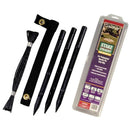

Iconic American Shade Tree With Legendary Fall Color
Iconic Shade That Turns Big Yards Into Cooler Outdoor Spaces
Sugar Maple is the definition of a legacy shade tree: a dense, symmetrical canopy that turns hot summer afternoons into usable outdoor space. It’s the kind of tree you plant when you want real, cooling shade, not dappled light, over a large lawn, a play area, a sitting space, or the sunny side of the home. In summer, the dark green leaves knit together into a thick canopy that can noticeably reduce glare and heat on open ground. And because it’s deciduous, it drops leaves in fall, letting the warming winter sun reach patios and windows again.
Because it grows into a big tree, the smartest purchase is planning for the mature canopy from day one. Give Sugar Maple the space it needs, and you avoid crowded branches, stressed roots, and the future headache of aggressive pruning. Place it where the crown can spread freely and where shade will be most valuable in 10, 20, and 40 years, not just where it fits today. It’s excellent as a single specimen, and it’s equally impressive planted in a row for a stately allée along a long drive. In return, you get decades of dense shade, strong structure, and the unmistakable maple silhouette that adds real curb appeal and long-term value to large landscapes.
Legendary Yellow, Orange, And Red Fall Color Every Year
Sugar Maple is famous for its “stop-and-stare” fall display. As temperatures cool, the canopy shifts from rich green to a glowing mix of yellow, orange, and fiery red, often with multiple tones on the same tree. That classic color palette is why neighborhoods, parks, and country roads feel like autumn postcards when sugar maples are in the mix. If you’re shopping specifically for fall color, this is one of the most iconic choices you can plant—and the color reads from a distance, not just up close.
Fall color is strongest when the tree is well-sited and not stressed. Full sun typically delivers the richest, most consistent color, and evenly moist, well-drained soil helps the tree hold its leaves and finish the season strong. Timing varies by region and weather, but the payoff is reliably dramatic in the heart of fall. Plan ahead for leaf drop too: those leaves make excellent mulch or compost, and they’re a small price to pay for a canopy that elevates curb appeal every year. Avoid chronically compacted ground, prolonged wet feet, or sites that bake in reflected heat, especially while the tree is young. Plant it where you’ll see it from your favorite window, the front approach, or the patio, and fall becomes a seasonal event in your own yard.
Long-Lived Native Canopy Tree With Real Habitat Value
Sugar Maple is more than a pretty shade tree—it’s a meaningful native canopy species across much of eastern North America. A mature sugar maple adds structure to the landscape, creating nesting, roosting, and shelter opportunities for birds and beneficial wildlife simply by offering a tall, broad crown. In early spring, its small flowers can provide an early-season nectar resource, and later the familiar paired “helicopter” seeds become seasonal food for wildlife. Because it’s a hardwood with a strong framework, it’s also known as a long-lived tree when it’s given the right site.
It also brings that unmistakable cultural connection: Sugar Maple is the species associated with maple syrup production, and even if you never tap it, the idea of a “real maple” in the yard is part of its charm. As the canopy expands, it can cool the landscape, reduce heat stress on nearby plantings, and make outdoor spaces more comfortable in summer. Use it as the upper-story anchor, then layer native shrubs and perennials beneath to create a more complete habitat and a more beautiful, finished look. The result is a landscape that feels classic, functions ecologically, and stays valuable for generations. Over time, you can transition the understory to shade-loving plants as the tree casts deeper shade.
Site It Smart For Strong Roots, Better Color, And Easier Care
Sugar Maple performs best when matched with the conditions it naturally loves: moderately moist, well-drained soil with good organic matter. It tends to struggle in extremes, chronically waterlogged spots, compacted fill, or sites that stay hot and dry—so a little site prep goes a long way. Plant with the root flare at grade (or slightly high) and avoid planting too deep, which can lead to long-term stress. Choose full sun to partial shade; full sun typically produces the strongest growth and the best fall color. If your soil is heavy, improve drainage and build organic matter before planting rather than hoping the tree “figures it out.”
During establishment, consistent watering is the difference between a tree that coasts and a tree that fights. Water deeply and slowly so moisture reaches the full root zone, then expand the mulch ring to keep turf and weeds from competing. Young sugar maples are not fully deer resistant, so protect the trunk and new growth in high-pressure areas. Prune lightly for structure—removing dead or crossing branches and guiding a strong framework, so the canopy matures safely and beautifully. Give it the right start, and Sugar Maple becomes a low-drama, high-reward shade tree you can count on for decades.
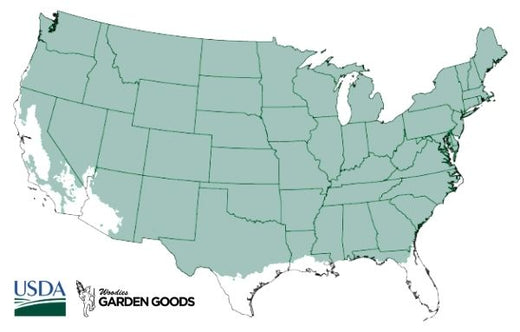
| Hardiness Zone: | 3-8 |
|---|---|
| Mature Height: | 60 to 80 feet |
| Mature Width: | 40 to 50 feet |
| Sunlight: | Full sun to partial shade |
| Soil Condition | Moderately moist, well-drained; best in well-drained loams with organic matter |
| Water Requirements: | Water well until established; moderate drought tolerance once mature |
| Bloom Time / Color | Early spring (often April–May); small yellow-green flowers |
| Wildlife Value | Early-season nectar; seeds and canopy structure support birds and wildlife |
| Resistance (deer/disease/drought/etc.) | Not fully deer resistant when young (protect saplings); moderate drought tolerance once established; dislikes compaction and extremes |
| Landscape Uses: | Specimen shade tree, park-like lawns, large yards, long drives/allées, native canopy anchor |
How to Care for Sugar Maple
Be sure to read our planting instructions to ensure a healthy and happy Sugar Maple tree for years to come!

How should I plant Sugar Maple?
Choose a site with full sun to partial shade and plenty of open space for a mature 40–50 ft canopy spread. Dig a hole 2–3 times wider than the root ball and only as deep as the root ball so the root flare ends up level with (or slightly above) the surrounding soil. Backfill with native soil, water slowly to settle, and build a broad mulch ring to conserve moisture and improve soil structure over time. Keep turf and weeds pulled back from the trunk area so the roots aren’t competing right away. If your site is windy or the tree is top-heavy, stake only as needed and remove staking once the tree is stable. Planting in spring or fall is ideal so the tree can focus on root growth during mild temperatures.

How often should I water Sugar Maple after planting?
Water deeply right after planting, then keep the root zone consistently moist during the first growing season. For the first few weeks, that often means watering 2–3 times per week when rainfall is light, using slow, deep soakings that penetrate beyond the surface. After that initial period, transition to one deep watering per week during dry stretches, adjusting for heat, wind, and soil type. Once established, Sugar Maple is moderately drought-tolerant, but it performs best with occasional deep watering during extended dry spells—especially in hot summers or in lighter soils that dry quickly. A wide mulch ring helps moisture stay more consistent, which is one of the biggest keys to an easier establishment.

When should I fertilize Sugar Maple?
Fertilize in early spring if growth is weak or if a soil test indicates a nutrient need. A slow-release, balanced fertilizer applied over the root zone (not against the trunk) supports steady, durable growth without forcing soft, overly fast growth that can stress the tree. In many landscapes, improving soil health does more than heavy feeding. Top-dress with compost, maintain a broad mulch ring, and focus on consistent moisture—Sugar Maple responds well to better soil structure and water management, especially if the site has been compacted or depleted.

When and how should I prune Sugar Maple?
Prune primarily for structure: remove dead, damaged, or crossing branches and encourage a strong, well-spaced framework while the tree is young. Keep cuts clean and correct, making proper branch-collar cuts and avoiding heavy thinning that can stress the tree. Many gardeners prefer late-summer pruning to reduce sap “bleeding,” but safety and structure corrections can be made when needed. The main rule is moderation—Sugar Maple rewards light, thoughtful pruning and good site conditions far more than frequent, aggressive cutting.
Frequently Asked questions
When Does Sugar Maple Bloom And What Color Are The Flowers?
How Fast Does Sugar Maple Grow And How Big Does It Get?
What Pollinator Or Wildlife Value Does Sugar Maple Provide?
Is Sugar Maple Deer Resistant Or Evergreen?
Can Sugar Maple Grow In A Container Or On A Slope?
What Is The Best Spacing For Sugar Maple Trees?
General questions
How do we measure heights on Trees and Shrubs?
Why are trees sold in 1-foot increments?
Related Blogs


Other Products you may be interested in



Customer Reviews
- Rated 5 out of 5 stars3 weeks agoMy Maple.
She arrived very quickly from when I ordered. She looks very healthy. I highly recommend. I planted her already.
VSVictoria S.Verified Buyer