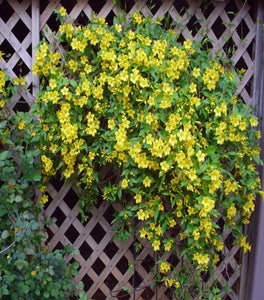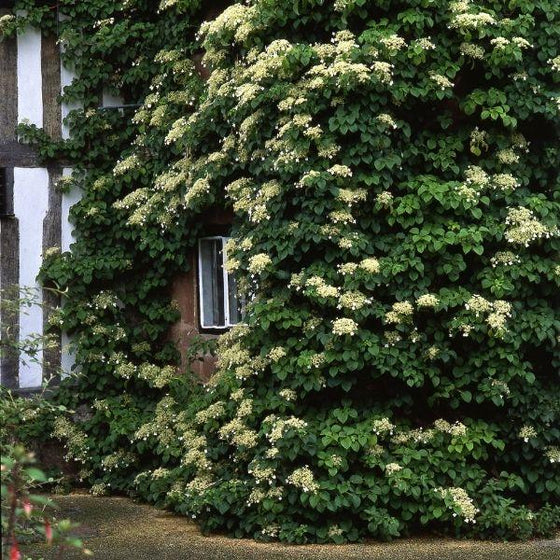
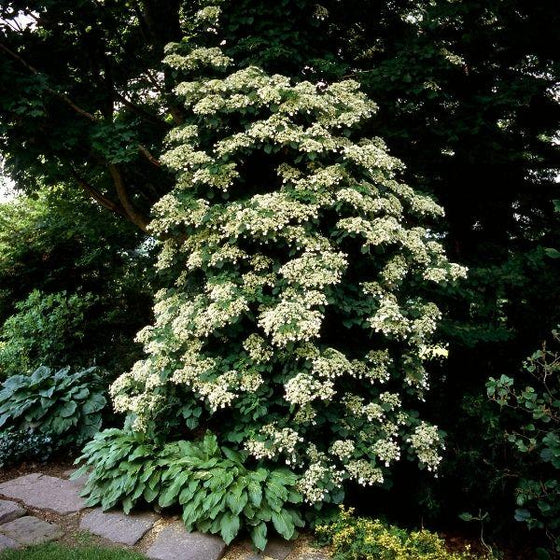
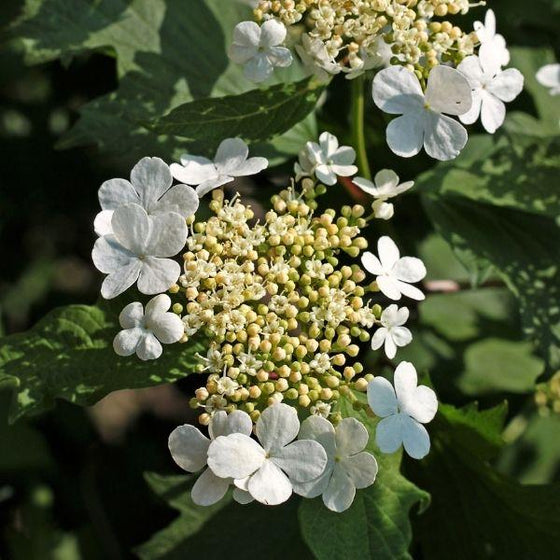
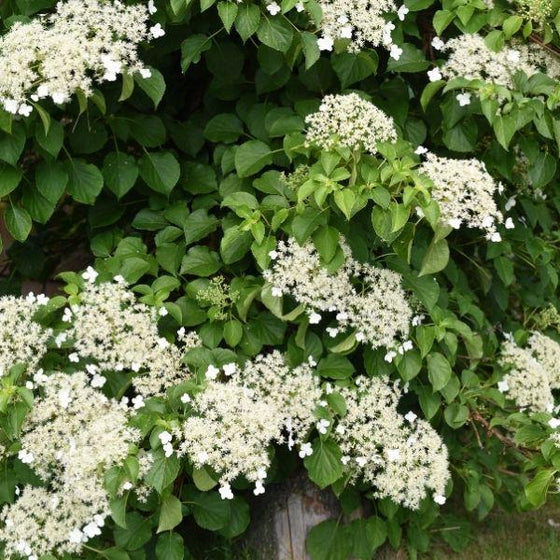


Images Depict Mature Plants
Climbing Hydrangea
Hydrangea anomala subsp. petiolaris
Climbing Hydrangea is the shade-solver I love most—give it a wall, fence, or arbor that feels a little bare, and over time it turns that space into a living, leafy curtain with fragrant white lacecap blooms that make the whole corner feel brighter. The secret is patience: it may take a bit to settle in, but once it does, it becomes one of those “why didn’t I plant this sooner?” vines that looks better every single year.

15% OFF SITEWIDE SALE
Use Code 'PRIMETIME15' At Checkout
📦 Free shipping on orders over $99.
Delay shipping by leaving us a message at Checkout.
Share:Recommended Add-Ons


Climbing Hydrangea Shade-Flowering Vine For Walls, Fences, And Arbors
Turn Shady Walls Into A Living Curtain Of Flowers
Climbing Hydrangea is one of the best problem-solvers you can plant for a dim side yard, a north-facing wall, or a shaded fence line. While most flowering vines beg for sun, this woody hydrangea vine brings real bloom power to places that usually feel flat and empty. In late spring to early summer, it lights up the shade with creamy-white lacecap flower clusters that feel airy, elegant, and timeless—like a cottage garden climbing right up the architecture.
The foliage is just as valuable as the flowers. Heart-shaped, deep green leaves create a dense “green curtain” that softens hard surfaces and adds instant texture to brick, stone, and wood. Once it’s established, it’s the kind of plant that makes a property feel more mature and layered, giving you vertical interest without sacrificing precious garden bed space.
Self-Clinging Growth That Covers Structures With Less Fuss
This is a true self-clinger. Climbing Hydrangea attaches to surfaces using small aerial rootlets along its stems, which help it hug walls, posts, and trunks without tendrils or constant tying. Early on, you’ll get the best results by loosely guiding new stems to the structure or support until the vine decides on its route—then it becomes increasingly independent as it climbs.
Because it’s a long-lived vine, it’s ideal for permanent features: arbors, pergolas, sturdy trellises, privacy panels, and large fences. It can also be grown as a groundcover on slopes or under trees, where it will sprawl and knit into a textured green layer. In short: if you want shade coverage that looks intentional and upscale, this vine delivers the “built-in charm” effect.
Big, Fragrant Lacecap Blooms With Season-Long Texture
Climbing Hydrangea typically blooms in late spring to early summer, with flowers that can hold for weeks. The bloom clusters are lacecap-style—flat-topped with showy outer florets—creating a soft, layered look that feels lighter than many heavy-flowering vines. The fragrance is another bonus, especially when planted near patios, walkways, gates, or seating areas where you’ll notice it.
Even after peak bloom, the plant continues to earn its space. The foliage stays lush through summer, often turning a mellow yellow in fall. In winter, older stems can show attractive exfoliating bark, adding subtle off-season character. This is the kind of vine that isn’t just “pretty for a minute”—it brings a full-season upgrade to any shaded structure.
Low-Maintenance Care That Rewards Patience For Decades
Climbing Hydrangea is famously slow to establish, and that’s normal. The first year or two are about roots and framework; after that, growth typically accelerates and coverage becomes much faster. This “sleep, creep, leap” habit is exactly why it becomes such a dependable long-term performer—once it settles in, it’s tough, resilient, and generously leafy.
Care stays straightforward: consistent moisture while establishing, a mulch ring to keep roots cool, and light pruning only when you need to manage size or direction. Because it flowers on older wood, the best time to prune is right after flowering—so you keep next year’s buds intact. Plant it once, guide it early, and you’ll have a shade-loving flowering vine that can grace walls and fences for years and years.
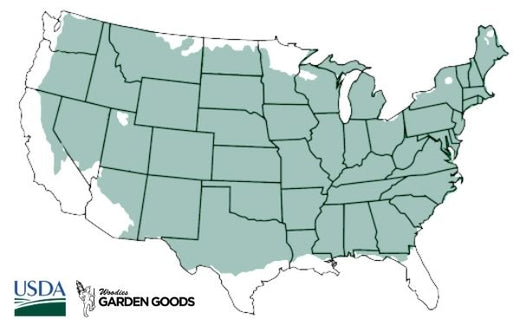
| Hardiness Zone: | 4-8 |
|---|---|
| Mature Width: | 6–8 feet |
| Mature Height: | About 30–40 ft tall (with support) |
| Sunlight: | Part shade to shade; more sun in cooler climates if kept moist |
| Bloom Time / Color: | Late spring to early summer; creamy-white, fragrant lacecap blooms |
| Pruning Season: | Prune right after flowering, blooms on old wood |
| Soil Condition: | Moist, well-drained, organic-rich preferred |
| Water Requirements: | Moderate; consistent moisture while establishing |
| Wildlife Value: | Seasonal pollinator interest during bloom |
| Resistance (deer/disease/drought/etc.): | Not deer-proof; generally low-fuss once established with good moisture |
| Landscape Uses: | Shaded walls/fences, arbors/pergolas, large trellises, tree trunks, groundcover on slopes |
How to Care for Climbing Hydrangea
Be sure to read our planting instructions to ensure a healthy and happy Climbing Hydrangea for years to come!

How should I plant Climbing Hydrangea?
Plant Climbing Hydrangea near a sturdy structure—wall, fence, arbor, or strong trellis—where it can mature for the long haul. Dig a hole about twice as wide as the root ball and just as deep. Set the plant so the top of the root ball is level with the surrounding soil, then backfill and water deeply to settle roots. If your soil is sandy or thin, mix in compost to boost moisture retention and help it establish faster. For the first season, loosely guide new stems toward the structure using soft ties so the vine learns where you want it to climb. Add a 2–3 inch mulch ring to keep roots cool and evenly moist, keeping mulch a few inches away from the stems. The goal in year one is a stress-free root system—coverage comes next.

How often should I water Climbing Hydrangea after planting?
For the first 2–3 weeks, water every 2–3 days to keep the root zone evenly moist (not soggy). After that, transition to deep watering about once per week, increasing to once or twice weekly during heat, drought, or windy conditions. A slow soak at the base is better than frequent light sprinkling because it encourages deeper rooting. Once established, Climbing Hydrangea is more forgiving, but it still looks and blooms best with consistent moisture—especially if it receives more sun. Mulch is your best friend here: it reduces evaporation, moderates soil temperature, and helps the vine settle in faster.

When should I fertilize Climbing Hydrangea?
Fertilize lightly in early spring as growth begins, using a balanced, slow-release fertilizer or a compost top-dress. Climbing Hydrangea doesn’t need heavy feeding, and over-fertilizing can promote excessive leafy growth without improving flowers. Think “steady nutrition,” not “power boost.” If you prefer an easy, reliable routine, add compost and refresh mulch each spring. That gentle approach supports soil health, keeps moisture more consistent, and helps the plant build the strong framework that leads to better flowering over time.

When and how should I prune Climbing Hydrangea?
Prune right after flowering if you need to control size, shape, or direction. Because Climbing Hydrangea typically sets flower buds on older wood, pruning in fall, winter, or early spring can remove next season’s blooms. After bloom, you can shorten overly long shoots, remove stray stems, and thin out a few congested branches to improve airflow. Routine pruning is not required. Focus on removing dead or damaged wood whenever you see it, and keep the vine from growing where you don’t want it (gutters, windows, railings). With a light touch at the right time, you keep the vine tidy without sacrificing its flower show.