

Images Depict Mature Plants
White Kousa Dogwood Tree
Cornus kousa
Kousa Dogwood is the “plant it once, love it for years” kind of tree—showy spring bracts, a refined summer canopy, vivid fall color, and that subtle winter character that keeps the landscape from going flat. For homeowners who want a feature tree with real curb appeal (and for landscapers who need a reliable ornamental with strong long-term structure), kousa brings beauty with confidence—especially when planted in well-drained soil with morning sun and afternoon shade in hotter areas.

15% OFF SITEWIDE SALE
Use Code 'PRIMETIME15' At Checkout
📦 Free shipping on orders over $99.
Delay shipping by leaving us a message at Checkout.
Share:


Buy Kousa Dogwood for Late-Spring White Blooms and Four-Season Beauty
A Feature Tree with Flowers, Fruit, Fall Color, and Winter Texture
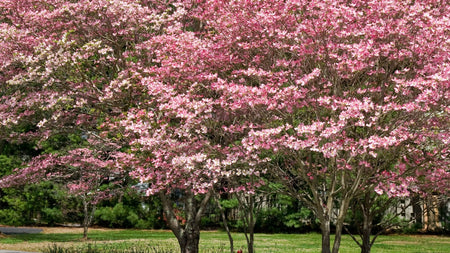
Kousa Dogwood (Cornus kousa) earns its reputation as a “four-season” ornamental: showy white bracts in late spring, glossy summer foliage, rich fall color, and attractive branching and bark that keep the silhouette interesting in winter. It’s also widely planted because it’s considered more disease-resilient than many native dogwoods—an important confidence point when you’re buying a flowering tree meant to anchor the landscape for decades.
The blooms are technically small flowers surrounded by larger, showy bracts; bracts can remain effective for weeks, creating that long “in bloom” window that makes kousa feel like a premium spring centerpiece.
A Small-to-Medium Tree with a Broad, Layered Canopy
Expect a mature size commonly in the 15–30 ft range, with many references placing it around 20–30 ft tall and 20–30 ft wide—large enough to read as a true tree, but still manageable in residential landscapes. Its form tends to be broad and layered over time, which is exactly what you want when the goal is a shade-dappled patio view, a front-yard specimen, or a graceful anchor near a drive.
Growth is often described as slow to moderate, which helps it maintain strong structure and reduces the “outgrows the space” anxiety that comes with faster ornamentals.
Sun to Part Shade, Moisture Balance, and Drainage that Protects the Roots
Kousa Dogwood grows in full sun to partial shade, and it often performs best with morning sun and afternoon shade in hotter climates to reduce stress and leaf scorch. Well-drained soil is non-negotiable—dogwoods dislike waterlogged conditions—while slightly acidic, organic-rich soil supports steady growth and flowering.
During establishment, consistent watering matters more than fertilizer. A wide mulch ring helps stabilize moisture and protects roots from mower/trimmer damage—two simple moves that dramatically increase “first-year success” for newly planted dogwoods.
Landscape Uses — Specimen Tree, Light Shade Canopy, and Wildlife-Friendly Interest
Plant Kousa Dogwood as a front-yard specimen, a small-canopy shade tree near patios, or a focal point in mixed beds where spring bloom and fall color create a natural “seasonal storyline.” The ornamental fruit adds late-season interest and is widely noted as edible (though humans don’t commonly eat it), and it can be consumed by birds—a bonus value for customers who want beauty with wildlife appeal.
It also pairs beautifully with azaleas, hydrangeas, ferns, and woodland perennials, creating the layered, garden-center-showcase look homeowners try to recreate at home.
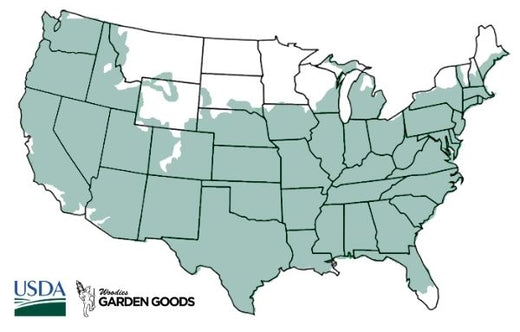
| Hardiness Zone: | 5-8 |
|---|---|
| Mature Height: | 20 to 25 feet |
| Mature Width: | 15 to 25 feet |
| Sunlight: | Full sun to partial shade; afternoon shade helpful in heat |
| Soil | Moist, well-drained; slightly acidic preferred |
| Water | Even moisture while establishing; avoid soggy soils |
| Bloom Time / Flower Color: | Late spring–early summer; showy white bracts (may blush pink) |
| Wildlife Value | Ornamental fruit; often consumed by birds |
| Resistance | Generally regarded as more resistant to dogwood anthracnose than C. florida |
| Landscape Uses | Specimen tree, patio shade, seasonal focal point, wildlife interest |
How to Care for White Kousa Dogwood Tree
Be sure to read our planting instructions to ensure a healthy and happy Kousa Dogwood Tree for years to come!

How should I plant Kousa Dogwood?
Start with site selection: sun to part shade with good air movement, and protection from harsh afternoon sun in hotter areas. Dig a hole 2–3× wider than the root ball and set the tree so the root flare sits at or slightly above grade; backfill gently and water thoroughly to settle soil around the roots. Build the “easy success” foundation: incorporate organic matter broadly (not as a rich pocket), then create a wide mulch ring to stabilize moisture and protect the trunk from equipment damage. Keep mulch off the bark and avoid planting in spots that stay wet after rain—dogwoods will not tolerate waterlogged soil.

How often should I water Kousa Dogwood after planting?
Water deeply right after planting, then keep the root zone evenly moist during the first growing season—especially through hot spells. A deep soak 1–2 times per week is common early on (more often in sandy soils or in hot weather), with the goal of encouraging roots to expand outward rather than staying near the surface. After establishment, water during extended dry periods. Kousa can handle some drought better than many dogwoods, but consistent moisture supports better flowering and reduces stress-related issues like leaf scorch in full sun.

When should I fertilize Kousa Dogwood?
Fertilization is a “light touch” tool—healthy dogwoods often do well with soil-building and mulch rather than heavy feeding. If growth is weak, apply a balanced fertilizer in early spring, and avoid high nitrogen rates that can push leafy growth at the expense of flowering. Annual compost top-dressing and renewing the mulch ring are high-return approaches: they improve soil structure, support slightly acidic conditions, and keep roots cooler in summer—exactly what dogwoods love.

When and how should I prune Kousa Dogwood?
Prune with purpose, not as a routine haircut: remove dead, damaged, or crossing branches, and open the canopy slightly to improve airflow. Light structural pruning is often done outside the spring bloom window, and heavier shaping is typically timed after flowering if avoiding bud loss is the priority. Keep pruning moderate—removing too much canopy at once can stress the tree. Maintain a clean trunk and branch structure, and prioritize airflow and sanitation if disease pressure is present (clean cuts, remove deadwood promptly).