Images Depicted Range in Maturity & Container Size
Pots & Decorations Not Included Unless Otherwise Stated
Wandering Jew Plant
Tradescantia zebrina
If you want a houseplant that looks bold, grows fast, and makes you feel like a gardening genius, Wandering Jew (Tradescantia zebrina) is the move. That zebra-striping pops in bright light, the vines trail beautifully in hanging baskets, and it’s ridiculously easy to thicken up—just pinch, trim, and replant the cuttings. One quick heads-up: some people and pets can be sensitive to Tradescantia, so place it smartly and wash hands after handling if you’re prone to irritation. The Wandering Jew plant is a flowering house plant known for its striped eggplant-purple and lime green foliage. Typically grown as a houseplant, and sometimes called Wandering Dude, it blooms freely throughout the year. This plant is not only beautiful, but flexible in all growing environments.

EXTENDED MEMORIAL DAY SALE 20% OFF
Use Code EXTENDED20 at Checkout!
📦 Free shipping on orders over $99.
Share:Recommended Add-Ons


Buy Wandering Jew Plants for Fast Color, Trailing Texture, and Easy Indoor Success
A Fast-Growing Houseplant with Iconic Zebra Striping
Tradescantia zebrina is loved for its striped purple-and-silver foliage and quick, trailing growth that fills baskets and shelves fast. It’s widely recommended as a tough, beginner-friendly houseplant that still looks designer when it’s happy.
If you’re looking to buy a Wandering Jew plant online, you’re choosing an instant “texture plant” that adds movement and color to any room—especially when it can spill over the edge of a pot.
Trailing, Creeping, and Easy to Keep Full
This plant naturally grows as a trailing/creeping houseplant, and it’s famously easy to shape: when stems get long, you can pinch and trim to force branching and create a denser, fuller look.
Outdoors in warm climates, it can also behave as a creeping ground cover, which is exactly why containment and responsible planting are important in frost-free areas.
Bright Light, Good Drainage, and Even Moisture
For the best color indoors, give Tradescantia zebrina bright indirect light (and some gentle sun can deepen the color depending on the site). Keep it in a moist but well-drained potting mix—this plant dislikes staying soggy.
When the light is too low, the plant can stretch and fade. Good light, plus occasional pinching, is the simple formula for achieving that thick, cascading “full basket” look customers want.
Hanging Baskets, Shelves, Patio Pots, and Seasonal Color
Indoors, this is a go-to for hanging baskets and high shelves where the vines can trail dramatically. It’s also a great “spill” plant in mixed houseplant containers when you want contrast against solid green foliage.
In warm zones, it can be used outdoors as a tender perennial/groundcover, but check local guidance—some regions flag it as invasive and discourage landscape use.
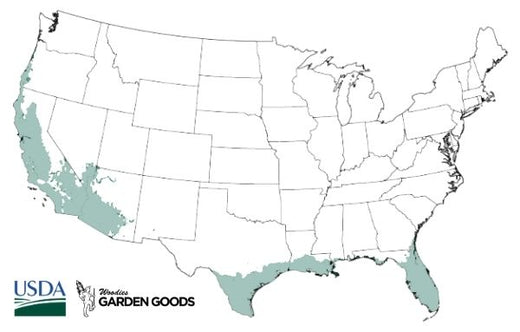
| Hardiness Zone: | Outdoors: often listed for zones 9–11 (houseplant elsewhere) |
|---|---|
| Mature Size | Typically under 1 ft tall; trailing/spreading habit |
| Classification: | houseplant |
| Sunlight: | Bright indirect light; filtered sun |
| Bloom Time / Color: | Bright indirect light; filtered sun |
| Soil Condition: | Moist but well-drained potting mix |
| Water Requirements: | Even moisture; avoid soggy soil |
| Uses: | Excellent in a container or hanging basket, inside or out |
How to Care for Wandering Jew Plant
Before you buy a Wandering Jew plant, make sure to read about the care instructions that are required and recommended to keep this plant healthy and thriving.
-v1768485106821.png?92x91)
How should I plant Wandering Jew Plants?
Choose a pot with drainage holes and use a light, well-draining potting mix that holds some moisture without staying wet. Plant at the same depth it was growing before, gently firm the mix, and water thoroughly so that the root zone is evenly moist. For a fuller basket from day one, you can plant multiple rooted cuttings around the pot’s edge. This plant roots easily from stem nodes, so you can “top and replant” trimmings to quickly build a thick, cascading look.
-v1768485182772.png?89x84)
How often should I water Wandering Jew after planting?
After potting up, keep the mix evenly moist for the first couple of weeks while roots settle in, but don’t let the pot sit in water. Indoors, your schedule will vary with light and temperature—brighter light and warmer rooms dry faster. Long-term, aim for “moist—not soggy.” If leaves yellow or stems soften, that’s often a sign of too much water; if growth gets thin and stretched, light is usually the bigger issue.
-v1768485305440.png?90x89)
When should I fertilize Wandering jew?
During active growth, light feeding helps maintain color and speed. Many houseplant care guides recommend monthly feedings in the growing season using a diluted all-purpose fertilizer. If you prefer an organic approach, refresh the top layer of potting mix with compost-based amendments and focus on consistent light—great light usually does more for color and fullness than heavy feeding.

When and how should I prune Wandering Jew Plants?
Prune any time it gets leggy. Pinching back the tips encourages branching and makes the plant noticeably fuller. Use clean snips, cut just above a node, and you’ll typically see new side shoots form quickly. Don’t throw those cuttings away—root them in water or soil and tuck them back into the pot to thicken the plant. Regular “trim and replant” is the easiest way to keep Tradescantia looking lush