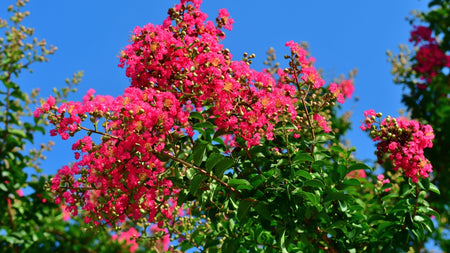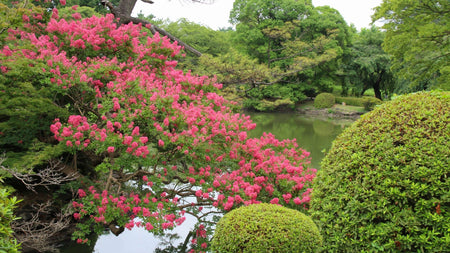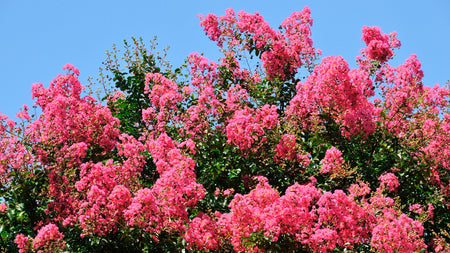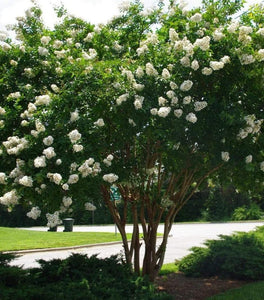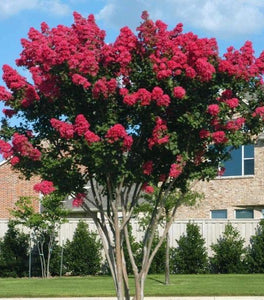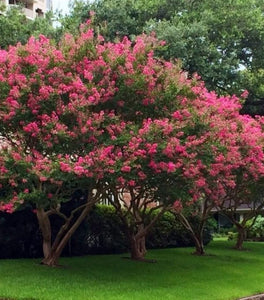


Images Depict Mature Plants
First Editions® Twilight Magic™ Crape Myrtle
Lagerstroemia 'PIILAG-VIII' PP27194
Twilight Magic is a really strong choice when you want a crape myrtle that looks good even before it blooms. I like it because the dark plum foliage gives the plant a dramatic look all season, and then the pink flowers make the whole thing light up in summer. It is a great fit for homeowners who want a flowering tree with real contrast, strong curb appeal, and less worry about disease problems.

15% OFF SITEWIDE, USE CODE 'FALLPLANT15'
📦 Free shipping on orders over $99.
Delay shipping by leaving us a message at Checkout.
Share:



Dark Plum Foliage and Bold Pink Summer Blooms
A Crape Myrtle With Dramatic Contrast All Season
First Editions® Twilight Magic™ Crape Myrtle is a standout choice for homeowners who want more than just flowers from a summer ornamental tree. Its rich deep plum foliage gives it real visual weight even before bloom begins, making it one of the most distinctive crape myrtles for landscape contrast. When the vivid pink flowers appear against that dark foliage, the effect is bold, dramatic, and easy to notice from a distance.
That foliage color is one of the biggest reasons this variety is so appealing. Even when it is not in bloom, the tree still contributes strong ornamental value to the landscape. For homeowners who want a flowering tree that keeps working visually through the whole growing season, Twilight Magic offers much more than a short floral moment.
Bright Pink Summer Blooms That Pop Against Dark Leaves
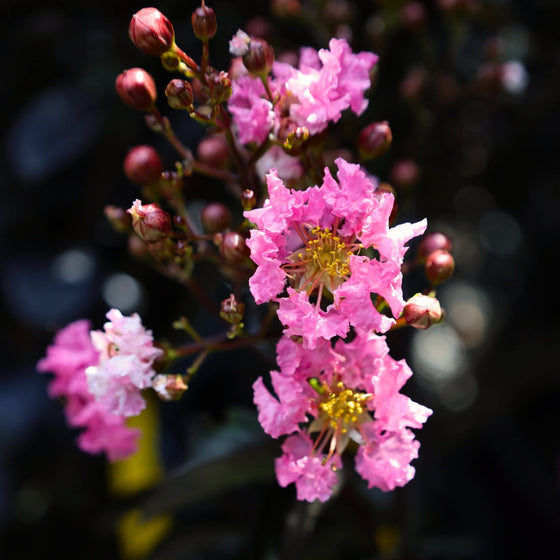
When Twilight Magic comes into flower, the contrast between the blooms and foliage is what makes it special. The flowers are described by official and nursery sources as pink to vivid pink, and they stand out beautifully against the deep plum leaves. That combination gives the tree a richer, more dramatic look than many standard crape myrtles with green foliage.
This makes it especially useful in front yards, lawn islands, focal beds, and patio-adjacent landscapes where homeowners want a tree that reads as colorful and intentional from a distance. It is a strong choice for gardens that need both flower power and dark foliage contrast to help the planting feel finished and layered. That design use is inferred from the cited bloom and foliage traits.
A Large Shrub or Small Tree With Manageable Residential Scale
Twilight Magic is especially practical because it delivers a strong ornamental presence without becoming a massive shade tree. Official First Editions material lists it at about 12 to 14 feet tall and 6 to 8 feet wide, which puts it in a very useful range for small to medium residential landscapes. It can be grown as a large shrub or trained into a small tree, depending on the design need.
That size makes it a great fit for front-yard focal points, foundation-adjacent plantings, patio gardens, and decorative borders. It has enough presence to anchor a bed or stand alone as a specimen, but it still stays manageable enough for homeowners who want strong impact without oversized scale. This landscape-use guidance is an inference based on the cited mature size.
Disease Resistance and Heat Tolerance Add Practical Value
One of the strongest reasons to consider Twilight Magic is that it is not just ornamental. Official descriptions emphasize its excellent disease resistance, including strong mildew resistance, which is an important trait for homeowners who want a crape myrtle that looks good through summer without constant fuss.
Like other crape myrtles, it also performs best in full sun and is well suited to hot summer landscapes. That makes it especially useful in sunny residential settings where bold color and summer durability matter. For homeowners who want a dramatic flowering tree with dark foliage and easier long-term performance, Twilight Magic is a very strong option.
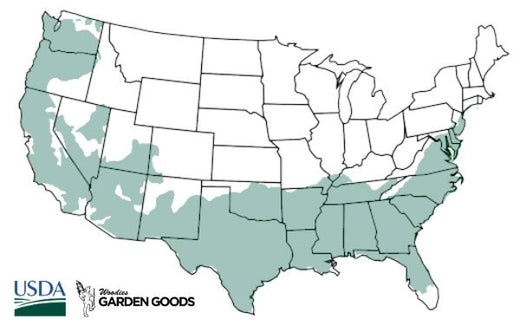
| Hardiness Zone: | 7-9 |
|---|---|
| Mature Height: | 12 to 14 feet |
| Mature Width: | 6 to 8 feet |
| Sunlight: | Full Sun |
| Bloom Time / Color | Summer; vivid pink flowers |
| Ornamental Features | Deep plum foliage, bright pink blooms, attractive branching, long bloom season |
| Soil Condition: | Any well drained soil |
| Water Requirements: | Regular moisture during establishment; average moisture once established |
| Wildlife Value | Primarily ornamental landscape value with some pollinator interest |
| Resistance (deer/disease/drought/etc.) | Excellent disease resistance, very good mildew resistance, strong summer performance |
| Landscape Uses | Specimen tree, front yard focal point, lawn island, ornamental border tree, large shrub screen |
How to Care for First Editions® Twilight Magic™ Crape Myrtle
Be sure to read about the recommended care instructions to keep your Twilight Magic Crape Myrtle Trees healthy and thriving for years to come!
-v1745707802403.png?92x91)
How should I plant Twilight Magic Crape Myrtle?
Plant Twilight Magic Crape Myrtle in full sun in well-drained soil where it has room to develop its natural canopy or shrub form. Dig a hole two to three times as wide as the root ball but no deeper than the root ball itself, and set the plant so the root flare sits at or slightly above grade. Choose a site with strong sun and enough space away from crowded plantings so the foliage and flowers can be appreciated. The size and sun guidance are supported by official cultivar descriptions; the root-flare wording follows standard tree-planting best practice.

How often should I water Twilight Magic Crape Myrtle after planting?
Water deeply right after planting and keep the soil evenly moist during the establishment period. Garden Goods Direct’s plant page and other retailer guidance indicate watering deeply once or twice a week during the first growing season, allowing the soil to dry slightly between waterings. Once established, Twilight Magic performs well in sunny landscapes but still benefits from supplemental water during long dry periods. The key is good drainage and avoiding soil that stays constantly soggy.

When should I fertilize Twilight Magic Crape Myrtle?
Twilight Magic Crape Myrtle usually does not need heavy feeding. A light application of balanced slow-release fertilizer in early spring is a reasonable approach, and Garden Goods Direct’s product page specifically recommends spring fertilization for strong bloom and foliage performance. Too much fertilizer can encourage extra leafy growth instead of balanced flowering, so a moderate approach is usually best. This caution is a best-practice inference based on standard crape myrtle culture and the cultivar’s strong inherent vigor.

When and how should I prune Twilight Magic Crape Myrtle?
Twilight Magic Crape Myrtle usually needs only light structural pruning. Garden Goods Direct’s plant page recommends late winter or very early spring pruning before new growth begins, focusing on dead, damaged, or crossing branches and light thinning for airflow. The goal is to maintain a strong framework and attractive canopy rather than cut the plant back harshly. When shaping is needed, a restrained approach works best so the plant can keep its natural ornamental form. This last sentence is an inference based on the cited pruning timing and habit.