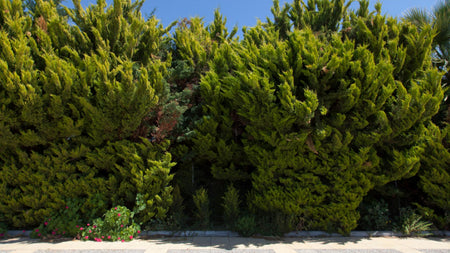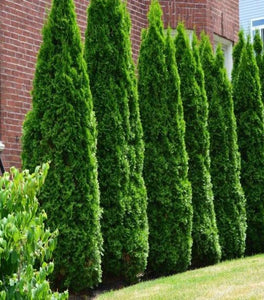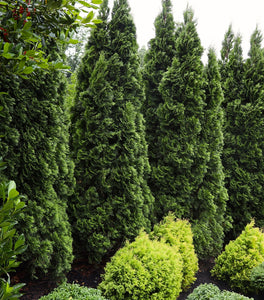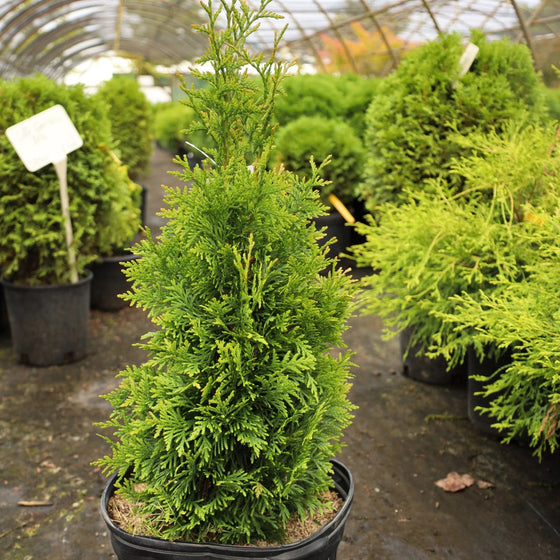
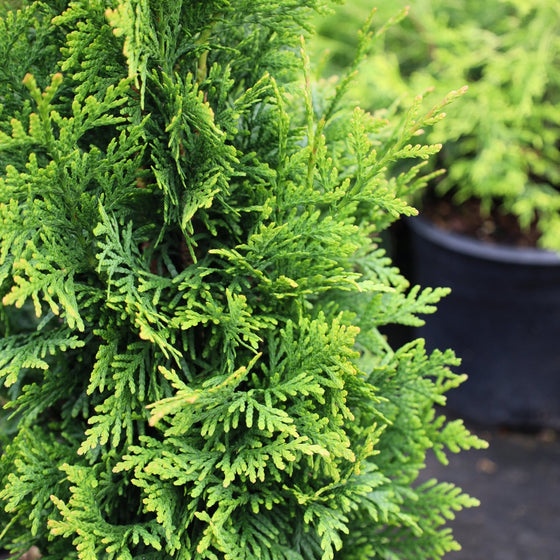


Images Depict Mature Plants
Junior Giant Arborvitae
Thuja x ‘Junior Giant’ PP31,297p2
I love Junior Giant Arborvitae because it gives you that fast, lush privacy look people want, but in a size that feels a whole lot more practical for real backyards. It has the substance and speed of a big screening evergreen without taking over the whole property, and that makes it incredibly useful for suburban lots, side yards, and pool areas. When I want a privacy tree that feels manageable, dependable, and easy to recommend, this is one I reach for quickly.

15% OFF WITH CODE PLANTING15
Save 15% Off Your Entire Order! Limited time.
📦 Free shipping on orders over $99.
Delay shipping by leaving us a message at Checkout.
Share:


Compact Fast-Growing Privacy Tree for Smaller Yards
Fast Privacy Without the Oversized Footprint
Junior Giant Arborvitae delivers the lush, full privacy look people love in screening evergreens, but in a size that is much easier to use in residential landscapes. It grows quickly, fills in beautifully, and develops into a dense green wall without becoming overwhelmingly broad. That makes it a strong fit for backyards, side yards, pool edges, and suburban property lines where privacy matters but planting space is limited.
For Homeowners who love the idea of Green Giant Arborvitae but worry about scale, Junior Giant elegantly solves that problem. It gives you the same fast-growing screening appeal in a more manageable form, making it easier to plant near neighbors, driveways, fences, and outdoor living areas. The result is a privacy tree that feels practical, polished, and much easier to live with in the long term.
A Smaller Arborvitae With Big Screening Power
Junior Giant Arborvitae typically matures around 15 to 20 feet tall, which is plenty of height for privacy, but it stays much narrower than larger screening evergreens. That balance is what makes it such a smart choice for homeowners who want seclusion without shading out the whole yard or giving up too much planting space. Its upright, pyramidal habit looks neat and intentional, even when allowed to grow naturally.
This also makes it highly versatile in design. Plant it in a row for a living fence, use it as a backdrop behind flowering shrubs and perennials, or let one or two stand alone as evergreen anchors in a mixed landscape. It works equally well in formal and informal settings because the shape is naturally tidy and the foliage stays richly green all year.
Low-Maintenance Evergreen Color Through Every Season
One of the biggest reasons people choose Junior Giant Arborvitae is that it keeps working for the landscape month after month. Its evergreen foliage provides structure, texture, and rich color in every season, including winter when deciduous screens disappear. That year-round presence makes it more than just a privacy plant. It becomes part of the yard's permanent framework.
It is also refreshingly low-maintenance. Junior Giant does not need constant pruning to look good, and once established it is notably adaptable and fairly drought tolerant. For busy homeowners who want a privacy screen that feels lush and substantial without becoming a high-maintenance project, this plant checks a lot of boxes very quickly.
A Smart Choice for Screens, Borders, and Property Lines
Junior Giant Arborvitae is especially effective anywhere you need a natural boundary that looks softer and greener than a fence. Along property lines, it can create a quieter, more secluded atmosphere. Around patios and pools, it helps shape outdoor rooms. Along driveways and side yards, it adds vertical greenery without becoming bulky or overbearing.
That makes it one of the more practical evergreen screening choices for today’s smaller residential lots. Instead of forcing a huge tree into a small space, Junior Giant offers a scale that feels more appropriate while still delivering real privacy. For gardeners who want a fast-growing evergreen hedge with a narrower footprint and dependable year-round appeal, it is an easy fit.
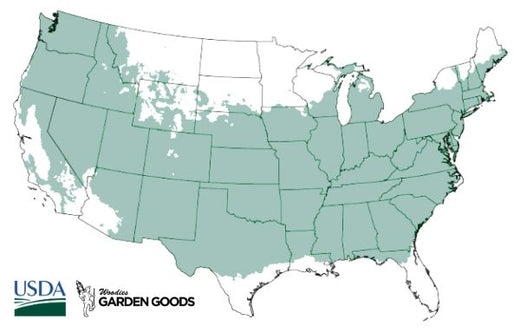
| Hardiness Zone: | 5-8 |
|---|---|
| Mature Height: | 15 to 20 Feet |
| Mature Width: | 5 to 6 Feet |
| Sunlight: | Full sun to partial shade |
| Soil Conditions: | Moist, well-drained soil |
| Water Requirements: | Moderate while establishing; more drought tolerant once established |
| Bloom Time / Color | Non-flowering; grown for rich green evergreen foliage |
| Wildlife Value | Provides evergreen cover and screening value |
| Resistance (deer/disease/drought/etc.) | Deer resistant, low maintenance, drought tolerant once established |
| Landscape Uses | Privacy screens, evergreen hedges, property borders, wind buffering, specimen planting |
How to Care for Junior Giant Arborvitae
Be sure to read about the recommended care instructions to keep your Junior Giant Arborvitae plant healthy and thriving for years to come!

How should I plant Junior Giant Arborvitae?
Plant Junior Giant Arborvitae in full sun to partial shade in well-drained soil. Dig a hole about twice as wide as the root ball and no deeper than the root ball itself, then set the plant so the top of the root ball sits level with or slightly above the surrounding grade. Backfill with native soil, water thoroughly, and apply mulch around the base while keeping it away from the trunk. Choose a site with enough room for the mature width and the intended purpose of the planting. For screening, it works best where the row can develop into a continuous wall of evergreen cover. For specimen or accent use, give it more room to keep its natural pyramidal shape visible and balanced.

How often should I water Junior Giant Arborvitae after planting?
Water Junior Giant Arborvitae deeply right after planting, then continue watering once or twice a week during the first growing season, depending on heat, rainfall, and soil type. The goal is to keep the soil consistently moist but not soggy while the root system establishes. Once established, watering needs drop noticeably. This arborvitae becomes more drought-tolerant over time, but it still benefits from occasional deep watering during extended hot, dry weather. Consistent moisture early on is what helps it root deeply and develop into a stronger, more resilient privacy screen.

When should I fertilize Junior Giant Arborvitae?
Fertilize Junior Giant Arborvitae in early spring with a balanced slow-release fertilizer formulated for trees or evergreens. That timing supports fresh seasonal growth without encouraging weak, overly soft shoots later in the year. In many landscapes, light annual feeding is enough. Avoid heavy applications of high-nitrogen lawn fertilizer near the root zone, since that can push uneven growth. Compost or organic matter around the planting area can also help support steady health and good color over time.

When and how should I prune Junior Giant Arborvitae?
Junior Giant Arborvitae needs very little pruning to maintain an attractive shape. If you want to tidy the outline or remove a stray branch, light pruning in late spring or early summer usually works best. Keep pruning minimal and avoid cutting into old bare wood, since arborvitae do not regenerate well from deep interior cuts. For a formal hedge, light annual shaping is usually enough. For a more natural screen, minor cleanup is often all that is needed.