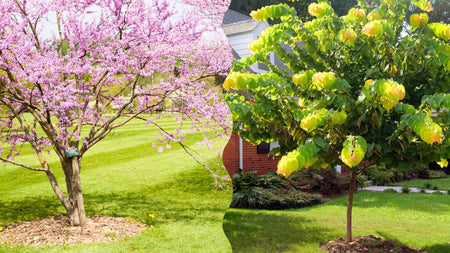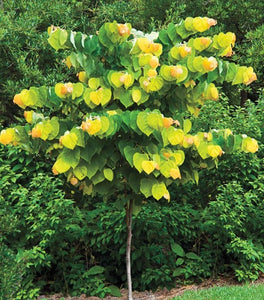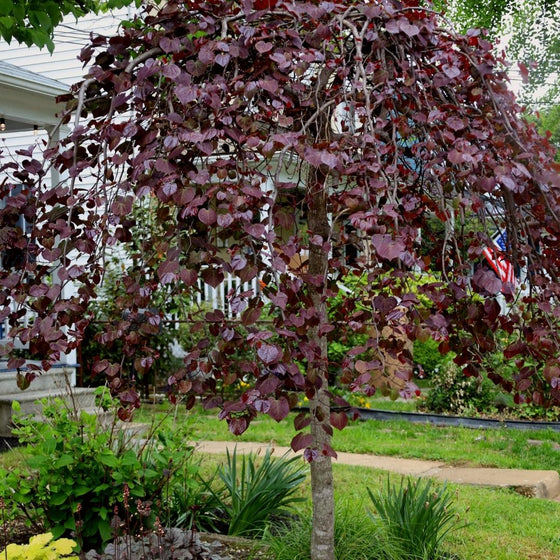
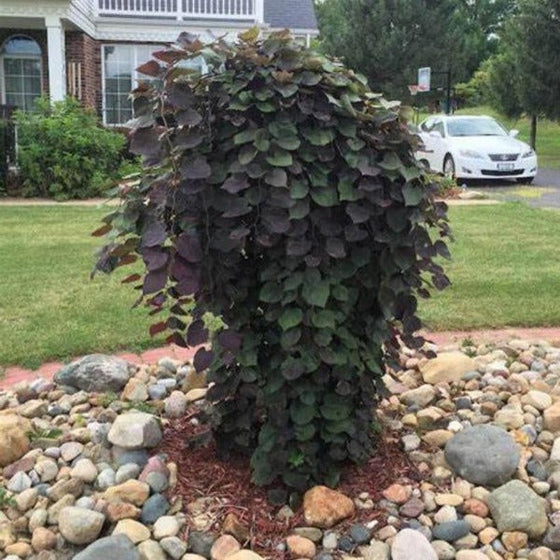
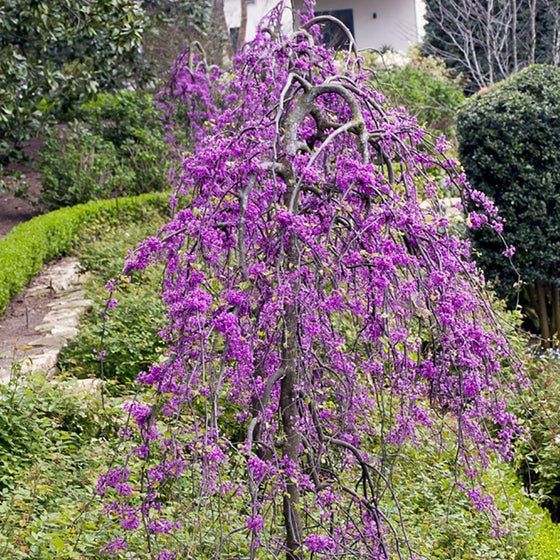
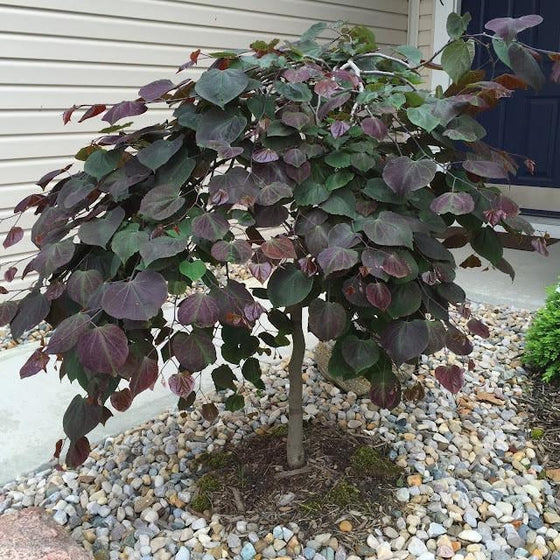


Images Depict Mature Plants
Ruby Falls® Redbud Tree
Cercis canadensis 'Ruby Falls'
Ruby Falls® is one of my favorite “small-space statement trees” because it looks like living art—cascading branches, burgundy heart-shaped leaves, and an early-spring bloom that feels like a pink waterfall. Give it sun for the best color, drainage so the roots stay happy, and consistent watering the first year, and you’ll have a focal point that makes patios, walkways, and tight garden beds feel intentionally designed.

Take 20% OFF SITEWIDE.
Use Coupon Code: EARLYBIRD20
📦 Free shipping on orders over $99.
Delay shipping by leaving us a message at Checkout.
Share:



Ruby Falls® Redbud Tree For Weeping Form, Burgundy Foliage, And Spring Bloom Drama
A Living Waterfall Shape That Works In Small Spaces
Ruby Falls® Redbud is the definition of “garden sculpture.” Instead of growing upright like a typical redbud, it cascades in a graceful weeping habit that creates a fountain-like silhouette. That shape is pure magic near a front walk, beside a patio, or at the edge of a small garden bed where you want one plant to do the visual heavy lifting. Even from a distance, the form reads intentional—like you placed an art piece rather than just a tree.
Because Ruby Falls stays compact, it fits where many flowering trees simply can’t. You can tuck it into tighter landscape rooms, highlight a corner planting, or use it to soften hard lines around stone, fencing, or outdoor seating. Give it a clear backdrop and a little breathing room, and the cascading canopy becomes a focal point that looks as if it were designed from every angle.
Burgundy Leaves That Keep The Show Going After Bloom
Once spring bloom fades, Ruby Falls doesn’t disappear into “just green.” Its heart-shaped leaves emerge in rich burgundy tones that add contrast and depth to the landscape all season. That dark foliage is especially striking next to evergreens, ornamental grasses, or bright chartreuse shrubs, and it gives you color even when your perennials are between peak moments.
This is also a tree that photographs beautifully in the garden—those burgundy leaves create instant drama in foundation beds and mixed borders. If you want a small ornamental tree that feels upscale and curated without demanding constant attention, Ruby Falls delivers. It’s a foliage-forward choice that still gives you the classic redbud bloom moment up front.
Early Spring Flowers That Light Up Bare Branches
Ruby Falls blooms in early spring with pink to rosy-purple flowers that appear before the canopy fully leafs out. That timing is what makes redbuds so beloved: when the garden still looks sleepy, Ruby Falls is already celebrating. On a weeping form, the bloom show is even more dramatic—flowers line the cascading branches, creating a “pink waterfall” effect that feels both elegant and playful.
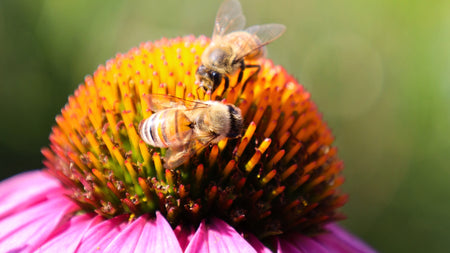
Those early blooms are also a welcome food source for pollinators when nectar is limited. Plant Ruby Falls where you’ll see it daily—near an entry, outside a favorite window, or along a path you use in late winter and early spring. It’s the kind of tree that makes the season feel like it’s officially started.
Easy Care Success With Sun, Drainage, And A Light Pruning Hand
Ruby Falls performs best in full sun to partial shade in well-drained soil. Sun helps intensify foliage color, while good drainage protects redbud roots from prolonged wetness—one of the fastest ways to stress the plant. A mulch ring helps maintain consistent moisture and keep roots cooler in summer, supporting cleaner growth and better overall vigor.
Pruning is mostly about preserving the signature weeping architecture. Remove dead, damaged, or crossing branches and do only small, selective cuts for shape—ideally after flowering if you need to refine the silhouette. With steady watering during the first growing season and a light touch on pruning, Ruby Falls stays low-maintenance while looking like a showpiece.
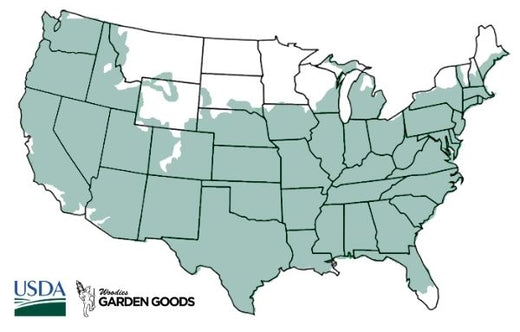
| Hardiness Zone: | 5-9 |
|---|---|
| Mature Height: | 5 to 6 Feet |
| Mature Width: | 3 to 4 Feet |
| Sunlight: | Full sun to partial shade |
| Bloom Time / Flower Color: | Early spring; pink to rosy-purple |
| Soil Condition: | Any well drained soil |
| Water Requirements: | Water well until established |
| Wildlife Value | Attracts bees & butterflies |
| Resistance | Moderately deer resistant |
| Landscape Uses: | Small gardens, patios, walkways, focal point, containers |
How to Care for Ruby Falls® Redbud Tree
Be sure to read our planting instructions to ensure a healthy and happy Ruby Falls Redbud Tree for years to come!
-v1744045831977.png?92x91)
How should I plant Ruby Falls Redbud Tree?
Plant Ruby Falls Redbud Tree in full sun to partial shade in well-drained soil. Dig a hole about 2–3 times wider than the root ball and no deeper than the root ball’s height, then set the tree so the root flare is at soil level (not buried). Backfill with native soil, firm gently, and water deeply to settle soil around the roots. Finish with a 2–3-inch mulch ring around the root zone, keeping the mulch a few inches away from the trunk. If your soil is heavy, plant slightly high and expand the planting area outward so water drains away from the trunk instead of pooling.
-v1744045842283.png?89x84)
How often should I water Ruby Falls Redbud after planting?
Water thoroughly right after planting, then keep the root zone evenly moist during the first growing season. A reliable starting rhythm is deep watering once or twice per week, adjusting for rainfall and temperature. Water slowly so it soaks in, and allow the top layer of soil to dry slightly between waterings. After the tree begins to establish, shift to deep watering during dry spells rather than frequent shallow watering. This encourages a stronger root system and helps the tree handle summer heat with less stress.
-v1744045852998.png?90x89)
When should I fertilize Ruby Falls Redbud?
Fertilize in early spring just before new growth begins using a balanced, slow-release tree and shrub fertilizer applied at label rates. Apply around the drip line rather than against the trunk, then water it in well to move nutrients into the root zone. If your tree is growing well, you can often keep feeding simple by refreshing mulch and adding a thin top-dressing of compost. Avoid over-fertilizing, especially with high nitrogen, which can push soft growth and reduce flowering.

When and how should I prune Ruby Falls Redbud?
Prune Ruby Falls Redbud Tree with a light hand to preserve the weeping form. Remove dead, damaged, or crossing branches, and thin slightly for airflow if the canopy becomes crowded. Keep cuts small and selective—this tree looks best when its cascading silhouette stays intact. Do shaping work after flowering in late spring if you need to refine the outline near a walkway or patio. Avoid heavy pruning that strips the canopy; the goal is gentle structure improvement, not rebuilding the tree.