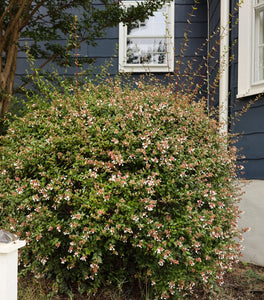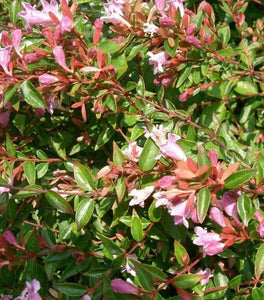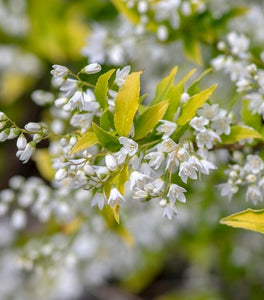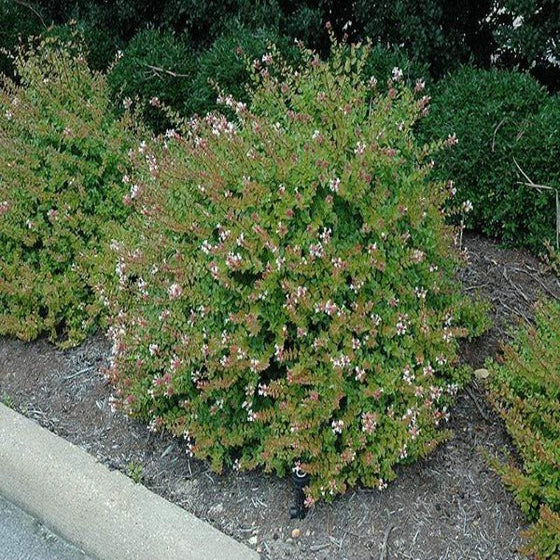


Images Depict Mature Plants
Rose Creek Abelia
Abelia grandiflora 'Rose Creek'
Rose Creek Abelia is one of those shrubs that makes landscape design easier. It stays compact, blooms for a long time, and brings enough foliage color change to stay interesting well beyond the flowering season. The fact that it is also deer resistant makes it even more useful for homeowners who want a shrub that looks good and solves real landscape problems at the same time.

15% OFF WITH CODE PLANTING15
Save 15% Off Your Entire Order! Limited time.
📦 Free shipping on orders over $99.
Delay shipping by leaving us a message at Checkout.
Share:



A Compact Flowering Shrub with Season-Long Beauty
A Compact Abelia That Fits Just About Anywhere
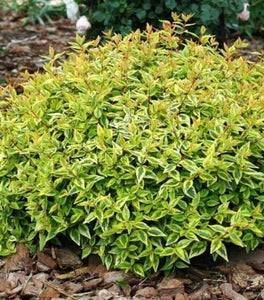
Rose Creek Abelia is one of the most versatile flowering shrubs for homeowners who want dependable beauty without giving up too much space. Its naturally low, mounded habit makes it especially easy to use in foundation beds, mixed borders, sunny edges, and smaller landscape pockets where a larger shrub would feel out of scale.
This plant helps the landscape feel more finished without becoming heavy or overgrown. It brings structure, softness, and a long season of interest in a very manageable size.
Fragrant White Flowers from Warm Weather into Fall
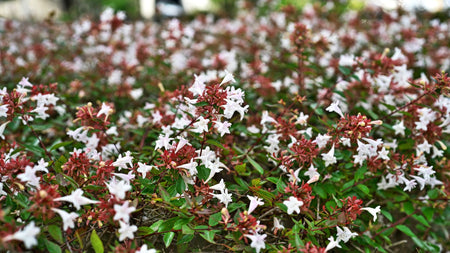
One of the biggest reasons to plant Rose Creek Abelia is its long bloom season. The shrub produces clusters of small, lightly fragrant white tubular flowers that open against rosy pink sepals, creating a soft two-tone effect that keeps the plant looking fresh for months.
That extended flowering period gives the shrub real value in the landscape. Instead of a single short bloom window, homeowners get a plant that keeps contributing color and charm through summer and often well into fall.
Glossy Foliage and Colorful Seasonal Shifts
Even when it is not in peak bloom, Rose Creek Abelia still looks polished and attractive. The foliage emerges with pinkish tones, matures to glossy dark green, and often shifts into soft purple-green or bronzy shades as cooler weather arrives.
That foliage movement is one of the reasons this shrub feels so useful across multiple seasons. It keeps the plant visually active and adds depth to the landscape beyond a plain green mound.
A Strong Choice for Borders, Foundations, and Low Hedges
Rose Creek Abelia works especially well in foundation plantings, low hedges, mixed shrub borders, and pollinator-friendly beds. Its dense, compact habit makes it easy to repeat along a walkway or house front, while its softer arching growth keeps it from looking too stiff or overly formal.
Because it stays compact, it is also one of the better abelias for smaller residential landscapes. It gives homeowners the bloom and foliage benefits of abelia in a size that is easier to place and maintain.
Deer Resistant, Pollinator Friendly, and Easy to Grow
Rose Creek Abelia brings more than ornamental value. It is also a pollinator-friendly shrub that attracts bees and butterflies, and it is widely considered deer resistant, which adds real practical value in landscapes where browsing can be a concern.
For homeowners who want a compact flowering shrub with glossy foliage, long bloom, and deer-resistant reliability, Rose Creek Abelia is an excellent choice. It offers easy-care beauty, pollinator value, and strong four-season interest in one hardworking plant.
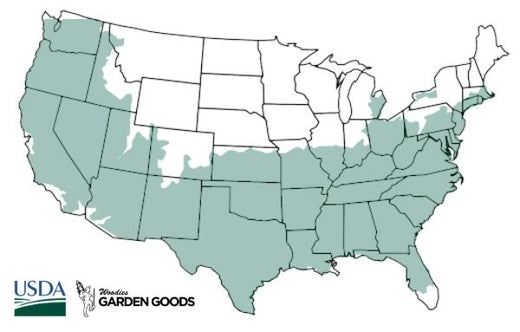
| Hardiness Zone: | 6-9 |
|---|---|
| Mature Height: | 2 to 3 feet |
| Mature Width: | 3 to 4 feet |
| Sunlight: | Full sun to part shade |
| Soil | Moist, well-drained soil |
| Water | Moderate; water regularly during establishment |
| Bloom Time / Color | Late spring through summer and often into fall; white flowers with rosy pink sepals |
| Ornamental Features | Glossy foliage, reddish stems, compact mounded habit, purple-green to bronze winter color |
| Resistance (deer/disease/drought/etc.) | Deer resistant; heat tolerant; drought tolerant once established |
| Wildlife Value | Attracts bees, butterflies, and other pollinators |
| Landscape Uses | Foundation planting, low hedge, border shrub, pollinator garden, small-space accent |
How to Care for Rose Creek Abelia
Be sure to read our planting instructions to ensure a healthy and happy Rose Creek Abelia for years to come!
-v1776276280765.png?92x91)
How should I plant Rose Creek Abelia?
Plant Rose Creek Abelia in a location with full sun to part shade and moist, well-drained soil. Dig a hole about twice as wide as the root ball and no deeper than the root ball itself, then set the shrub so the top of the root ball sits level with or slightly above the surrounding soil. This helps support healthy root establishment and reduces the chance of planting too deeply. Backfill with native soil, water thoroughly, and mulch around the base to help retain moisture and reduce weeds. Keep mulch a few inches away from the stems. If planting in a low hedge or border, leave enough room for the mounded habit to develop naturally.
-v1776276305207.png?89x84)
How often should I water Rose Creek Abelia after planting?
Water Rose Creek Abelia deeply right after planting, then continue watering regularly during the establishment period. In most landscapes, that means a deep soaking about once or twice per week depending on rainfall, heat, and soil drainage. The goal is evenly moist soil while the shrub builds a strong root system. Once established, this abelia becomes easier to manage and can handle short dry periods better than many flowering shrubs. Deep watering is much better than frequent shallow watering because it encourages stronger roots and better long-term performance.
-v1776276325642.png?90x89)
When should I fertilize Rose Creek Abelia?
Fertilize Rose Creek Abelia only if needed, especially if growth appears weak or the soil is poor. If feeding is necessary, early spring is usually the best time to apply compost or a balanced slow-release fertilizer to support healthy new growth and flowering. Avoid overfeeding healthy plants. In many landscapes, proper sun exposure, good drainage, and consistent watering during establishment matter more than aggressive fertilization. The goal is balanced growth, good bloom production, and healthy foliage color.

When and how should I prune Rose Creek Abelia?
Rose Creek Abelia benefits from light pruning to remove dead, damaged, or crowded stems and to keep the plant full and tidy. Late winter or early spring is usually the best time for shaping and cleanup before strong new growth begins. Avoid heavy shearing if you want the shrub to keep its natural rounded habit. Light selective pruning usually gives the best result and helps preserve both flowering and the graceful look that makes this plant so easy to use.