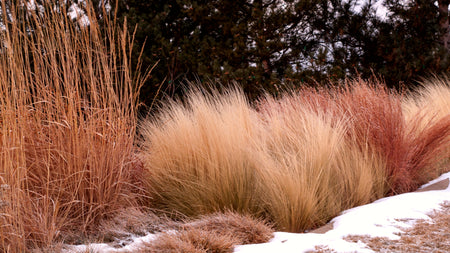
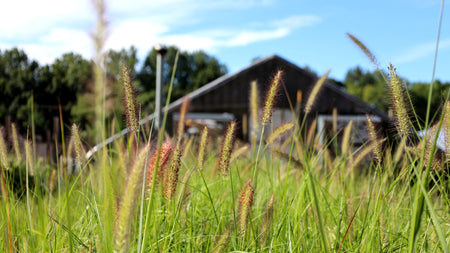
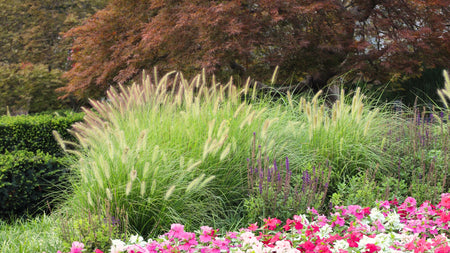
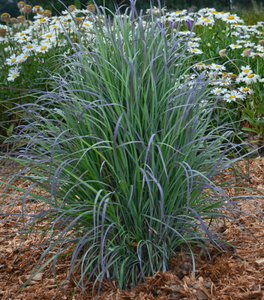
Images Depict Mature Plants
Shenandoah Switchgrass
Panicum virgatum 'Shenandoah'
Switchgrass Shenandoah is one of my favorite ornamental grasses for landscapes that need both structure and color. I like it because it stays upright, the red tones come on beautifully through the season, and it gives you that native grass look without feeling too wild or loose. It is a great choice for homeowners who want a grass that feels useful, polished, and full of seasonal character.

15% OFF WITH CODE PLANTING15
Save 15% Off Your Entire Order! Limited time.
📦 Free shipping on orders over $99.
Delay shipping by leaving us a message at Checkout.
Share:

Upright Native Texture With Rich Red Seasonal Color
A Native Ornamental Grass With Outstanding Red Tones
Shenandoah Switchgrassis a strong choice for homeowners who want a native ornamental grass with more color than the typical green selection. Its blue-green foliage begins to develop red and burgundy tones early in the season, then deepens into richer wine-red and crimson shades as fall approaches. That long color progression is one of the reasons this variety stands out so clearly in the landscape.
Instead of reading as just another upright grass, Shenandoah brings both texture and strong seasonal color. It has a refined look that works beautifully in modern plantings, naturalistic borders, and native gardens, while still feeling polished enough for front-yard landscape design.
An Upright Habit That Keeps the Garden Looking Clean
One of the biggest reasons to choose Shenandoah Switchgrass is its strong upright form. This is not a floppy ornamental grass that disappears into the planting. It grows with a tidy vertical habit that helps create structure, rhythm, and movement in the landscape without looking messy. That makes it especially useful in smaller spaces where every plant needs to hold its shape well.
Its upright habit also makes it easy to pair with flowering perennials, shrubs, and evergreen backdrops. It can act as a vertical accent in a mixed bed, soften hardscape edges, or repeat through a planting to create a more cohesive design. For homeowners who want ornamental grass texture without a loose or sprawling look, Shenandoah is a very smart choice.
Airy Flower Plumes Add Another Season of Interest
In late summer, Shenandoah Switchgrass produces airy flower panicles that rise above the foliage, adding another layer of movement and texture. These blooms are subtle compared with those of bold-flowering perennials, but that is part of their appeal. They help the grass feel lighter and more dynamic while preserving the clean, upright character that makes it so useful.
Those plumes also transition beautifully into the cooler months, giving the plant interest well beyond peak summer. For landscapes that need plants with more than one ornamental moment, Shenandoah offers much more than just a good foliage show.
A Great Fit for Native Plantings, Borders, and Massing
Because it is a native switch grass selection, Shenandoah works especially well in pollinator-friendly borders, meadow-inspired plantings, rain-friendly areas, and mass plantings where durability matters. It also works beautifully as a specimen grass in smaller beds or in repeated groupings where the red tones can create a stronger visual impact.
This is a very flexible ornamental grass. It can be used in front-yard beds, sunny borders, around patios, along fences, or in larger naturalized plantings where the upright texture helps organize the space. For homeowners who want a native grass that feels both practical and ornamental, Shenandoah is one of the best options available.
Easy-Care Beauty for Sunny Landscapes
Shenandoah Switchgrass performs best in full sun and well-drained soil, though it is adaptable once established. It is valued for its durability, drought tolerance, and relatively low-maintenance nature, which makes it especially appealing for homeowners who want long-term beauty without constant upkeep.
For homeowners who want a native ornamental grass with an upright structure, red foliage, and strong seasonal performance, Shenandoah Switchgrass is an excellent landscape choice.
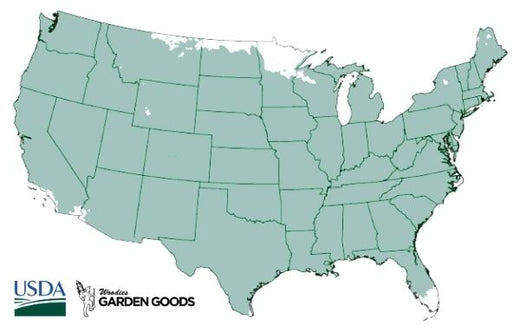
| Hardiness Zone: | 4-9 |
|---|---|
| Mature Height: | 3 to 4 Feet |
| Mature Width: | 2 to 3 Feet |
| Sunlight: | Full sun |
| Soil | Well-drained soil; adaptable to a range of soil types |
| Water Requirements: | Regular moisture during establishment; drought tolerant once established |
| Bloom Time / Color | Late summer to fall; airy pinkish to tan flower plumes |
| Ornamental Features | Upright habit, blue-green foliage with burgundy-red tones, rich red fall color, airy seedheads |
| Wildlife Value | Native habitat value with seed and cover benefits |
| Resistance (deer/disease/drought/etc.) | Drought tolerant, low maintenance, native and adaptable |
| Landscape Uses | Native borders, mass planting, specimen grass, privacy accent, meadow planting, sunny foundation bed |
How to Care for Shenandoah Switchgrass
Before you buy Shenandoah Switch Grass, make sure to read about the recommended care instructions to keep this plant healthy and thriving.

How should I plant Shenandoah Switchgrass?
Plant Shenandoah Switchgrass in full sun in well-drained soil where it has room to develop its upright clump. Dig a hole about twice as wide as the root ball but no deeper than the root ball itself, then set the plant so the crown sits at soil level. Water thoroughly after planting and add mulch around the base to help retain moisture while the plant establishes. This grass works especially well in sunny borders, native plantings, foundation beds, and mass plantings. It looks best when given enough room to show off its vertical form and seasonal color rather than being crowded by larger, sprawling plants.

How often should I water Shenandoah Switchgrass after planting?
Water deeply right after planting and keep the soil evenly moist during the first growing season. Deep watering is more helpful than frequent shallow watering because it encourages stronger root development and helps the grass establish more successfully. Once established, Shenandoah Switchgrass is fairly drought-tolerant and usually needs only supplemental water during extended dry spells. It performs best when it is not kept constantly soggy, especially in heavier soils.

When should I fertilize Shenandoah Switchgrass?
Shenandoah Switchgrass usually does not need heavy feeding. In most landscapes, a light application of balanced slow-release fertilizer in spring is enough if the plant appears to need support. Good sun exposure and proper drainage are often more important than frequent fertilization. Too much fertilizer can encourage overly soft growth and reduce the strong upright habit that makes this grass so useful. A moderate approach is generally best for a native ornamental grass grown mainly for structure and foliage color.

When and how should I prune Shenandoah Switchgrass?
Shenandoah Switchgrass is best cut back in late winter or very early spring before new growth begins. Cut the previous season’s foliage down to a few inches above the ground to make room for fresh growth. Leaving the foliage standing through fall and winter gives the plant added seasonal interest and helps preserve its texture in the landscape. A yearly cutback is usually all it needs to stay fresh and attractive.