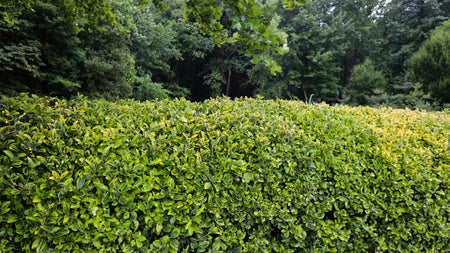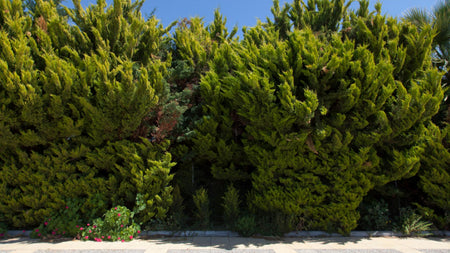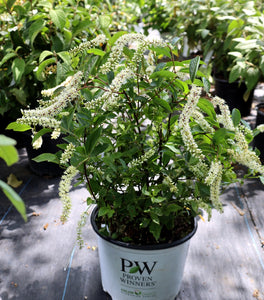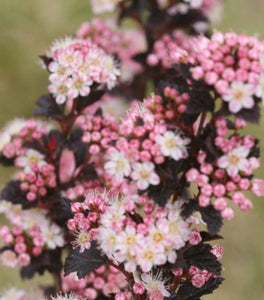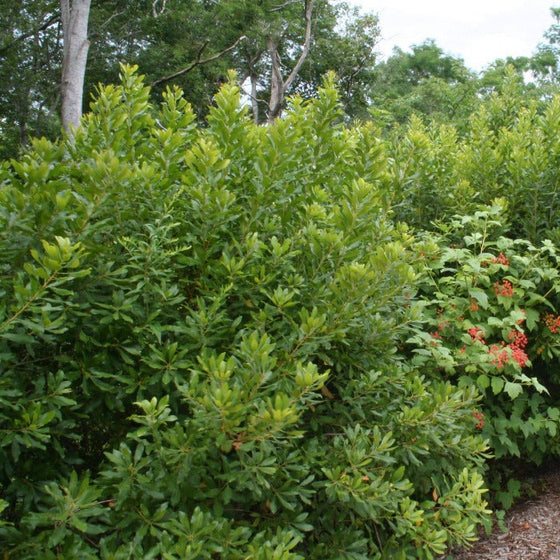
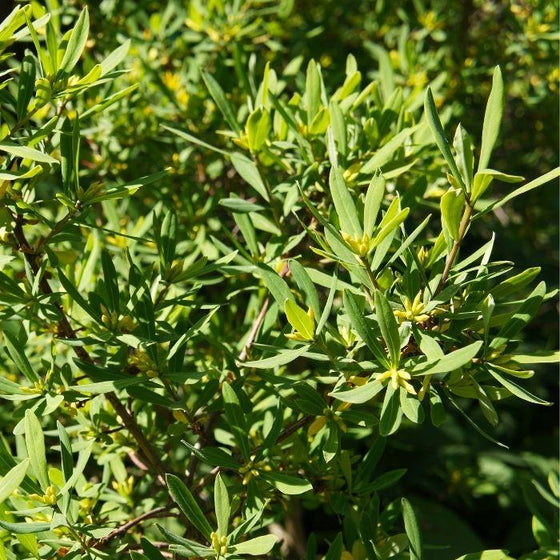
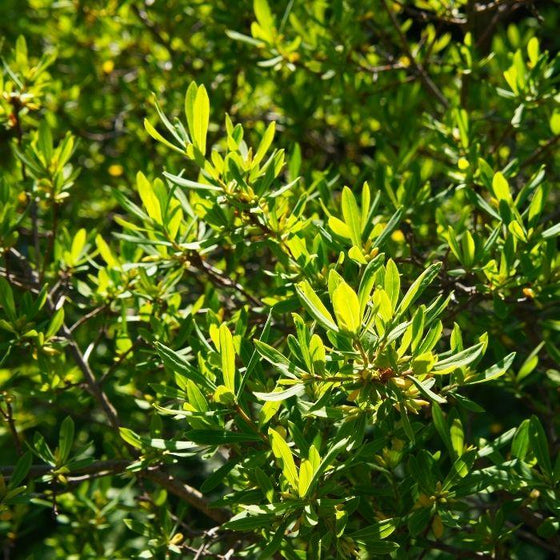


Images Depict Mature Plants
Northern Bayberry
Myrica pennsylvanica
Northern Bayberry is a really smart shrub for gardeners who want native toughness without giving up character. The fragrant foliage, gray berries, deer resistance, and tolerance of salt and sand make it especially useful in places where other shrubs can be more trouble than they are worth. It is one of those plants that feel right at home in the landscape and keep proving their value year after year.

15% OFF WITH CODE PLANTING15
Save 15% Off Your Entire Order! Limited time.
📦 Free shipping on orders over $99.
Delay shipping by leaving us a message at Checkout.
Share:


A Tough Native Shrub with Fragrance, Berries, and Coastal Character
A Native Shrub with Real Landscape Versatility
Northern Bayberry is one of those native shrubs that fit beautifully into both naturalistic and more intentional landscape designs. Its rounded, somewhat open habit, aromatic foliage, and adaptable nature make it a strong choice for hedges, mass plantings, transition areas, and mixed native borders where durability matters as much as appearance.
This is not a shrub that needs constant pampering to look good. It brings a relaxed, useful beauty to the landscape and feels especially at home in spaces where homeowners want something regionally appropriate, wildlife-friendly, and easier to live with over time.
Fragrant Foliage and Distinctive Gray Berries
One of the most memorable features of Northern Bayberry is its foliage. The gray-green leaves are leathery, glossy, and highly aromatic when crushed, giving the shrub a sensory quality that helps it stand apart from more ordinary green landscape plants.
Female plants can also produce clusters of waxy gray berries that persist into fall and winter, adding subtle ornamental interest when many deciduous shrubs have little left to offer. Those berries are one of the reasons bayberry feels especially rich in texture and seasonal character.
Excellent for Native Hedges and Informal Screens
Northern Bayberry is especially useful when planted in groups. It can be massed into a low-maintenance hedge, used as an informal screen, or planted in drifts where its suckering habit helps create a fuller, more naturalized planting over time.
That colony-forming nature makes it particularly effective in transition areas between formal gardens and more natural settings. It gives homeowners a shrub that can soften boundaries, fill space gracefully, and create a more established look without feeling stiff or overly trimmed.
Built for Coastal Sites and Tough Conditions
This shrub is naturally suited to demanding environments. Northern Bayberry is valued for its salt tolerance, wind tolerance, deer resistance, and ability to handle poorer soils once established. It is an especially strong fit for coastal landscapes, roadsides, dunes, and other exposed sites where more delicate shrubs may struggle.
That resilience is a major selling point. Homeowners get a shrub with native character and ornamental value, but also one that performs well on sunny, dry, or sandy sites where reliability is critical.
A Strong Choice for Wildlife-Friendly Planting Plans
Northern Bayberry also brings ecological value to the landscape. Its dense branching offers cover for birds, and the berrying habit adds habitat interest in wildlife-friendly gardens. It works especially well in native borders, restoration-style plantings, and low-maintenance landscapes where homeowners want a shrub that contributes beyond its appearance alone.
For gardeners who want a dependable native shrub with fragrance, texture, and strong year-round usefulness, Northern Bayberry is an easy plant to recommend. It brings a distinctly regional feel to the landscape while remaining highly practical for everyday garden design.
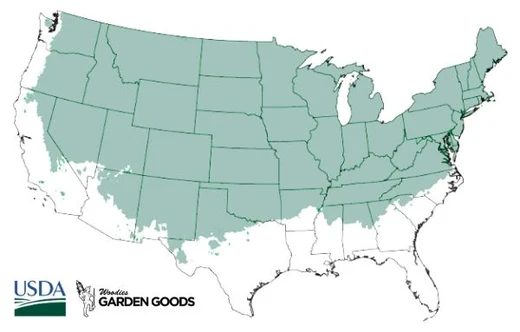
| Hardiness Zone: | 3-7 |
|---|---|
| Mature Height: | 6 to 10 feet |
| Mature Width: | 6 to 10 feet |
| Sunlight: | Full sun to partial shade |
| Bloom Time / Color | Spring; small yellow-green catkins |
| Soil Condition: | Well-drained soil; tolerant of sandy, poor, and coastal soils |
| Water Requirements: | Moderate during establishment; drought tolerant once established |
| Ornamental Features | Aromatic gray-green foliage, waxy gray berries on female plants, rounded natural habit |
| Wildlife Value | Provides cover for birds; berries add habitat value |
| Resistance (deer/disease/drought/etc.) | Deer resistant; salt tolerant; drought tolerant once established |
| Landscape Uses | Native hedges, informal screens, mass plantings, coastal landscapes, dune and sandy sites, wildlife gardens |
How to Care for Northern Bayberry
Be sure to read our planting instructions to ensure a healthy and happy Northern Bayberry for years to come!
-v1775656968857.png?92x91)
How should I plant Northern Bayberry?
Plant Northern Bayberry in a location with full sun to partial shade and well-drained soil. It is especially well suited to sandy or lean soils and performs beautifully in coastal landscapes, native plantings, and open sunny sites. Dig a hole about twice as wide as the root ball and no deeper than the root ball itself, then set the shrub so the top of the root ball sits level with the surrounding soil. Backfill with native soil, water deeply, and mulch around the base to help retain moisture while the plant establishes. Keep mulch a few inches away from the stems. If you are planting multiple shrubs for a hedge or mass planting, allow enough room for their natural spread and suckering habit to create a fuller planting over time.
-v1775656993203.png?89x84)
How often should I water Northern Bayberry after planting?
Water Northern Bayberry deeply right after planting, then continue watering regularly during the establishment period. In most landscapes, that means a deep soaking once or twice per week depending on rainfall, heat, and soil type. The goal is to keep the root zone evenly moist while new roots develop. Once established, Northern Bayberry becomes much more drought tolerant and generally needs supplemental water only during extended dry periods. It is naturally adapted to tougher conditions, so deep occasional watering is far better than frequent shallow watering once the shrub is settled in.
-v1775657009060.png?90x89)
When should I fertilize Northern Bayberry?
Northern Bayberry usually needs very little fertilizer, especially once established. If your soil is especially poor or the plant seems slow to settle in, a light application of balanced slow-release fertilizer or compost in early spring is usually enough to support healthy growth. Avoid overfeeding, especially with rich fertilizers. Bayberry is naturally adapted to leaner soils, and too much fertilizer can encourage overly soft growth that is unnecessary for a shrub valued for toughness and adaptability. In many cases, good drainage and proper siting matter more than extra feeding.

When and how should I prune Northern Bayberry?
Northern Bayberry generally needs only light pruning to remove dead, damaged, or awkward branches and to shape the shrub if needed. Late winter or early spring is usually the best time to do any structural pruning before new growth begins. If used in a hedge or mass planting, you can selectively thin or lightly shape it to keep the planting tidy while still preserving its natural character. Avoid constant shearing if you want the shrub to keep its more relaxed native form and berrying potential.