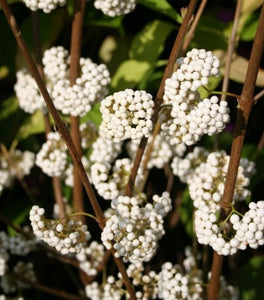
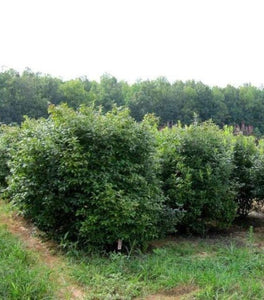
Images Depict Mature Plants
American Beautyberry
Callicarpa americana
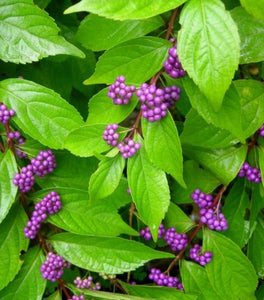
American Beautyberry is one of my favorite “plant it and enjoy the show” natives—easy growth, modest summer blooms for pollinators, and then those electric purple berries that make fall landscapes feel alive. Give it sun for the biggest berry display, prune it in late winter to keep it fresh and full, and you’ll have a shrub that earns its space every year.

20% Off Sitewide Sale!
Use Code 'ENDOFSEASON20' At Checkout
📦 Free shipping on orders over $99.
Delay shipping by leaving us a message at Checkout.
Share:


Native Shrub With Vivid Purple Berries And Big Wildlife Value
Purple Berry Drama That Makes Fall Plantings Pop
American Beautyberry earns its name the moment the berries arrive. In late summer and into fall, the stems are ringed with bright purple clusters that look almost unreal against the foliage. Instant seasonal color that shows up from the street and stuns up close. It’s an easy way to add “wow” to mixed borders, woodland edges, and naturalized plantings without needing a fussy shrub.
Beautyberry also plays well with others. Use it behind perennials, weave it into native shrub borders, or plant it where it can be backlit by autumn sun for maximum glow. Even after leaf drop, those berry clusters can linger, giving you extra weeks of interest when many landscapes start to fade.
A Bird-Friendly Native That Gives Back All Season
This is the kind of plant that supports a living landscape. Summer flowers may be modest, but pollinators notice, and the berries become a reliable late-season food source for birds and other wildlife. If you like the idea of your garden feeling “alive,” beautyberry is a simple step in that direction: more movement, more visitors, and more purpose.
It’s also an excellent shrub for gardeners who want native performance without giving up ornamental punch. Beautyberry looks intentional in a designed bed and completely at home in a woodland margin. Plant one as a specimen or repeat it in drifts for a natural, layered look that still feels polished.
Easy-Care Growth In Sun Or Part Shade
American Beautyberry is adaptable and forgiving, thriving in full sun to part shade. Full sun typically delivers the heaviest berry set, while part shade can be ideal in hotter climates or woodland-edge plantings. It prefers well-drained, organic-rich soil, but it tolerates a range of common yard soils as long as it isn’t stuck in a permanently soggy spot.
Once established, it’s fairly drought-tolerant, though it looks best with occasional deep watering during extended dry spells. A simple mulch ring helps keep roots cooler, reduces competition, and supports more even moisture, especially helpful in the first year when the plant is settling in.
Pruning That Keeps It Full, Fresh, And Loaded With Berries
Beautyberry is at its best when you embrace its natural, arching shape and refresh it with simple pruning. Prune in late winter or early spring to remove older wood and encourage vigorous new growth. Many gardeners also choose to cut it back harder (even close to the ground) to create a bushier plant with more uniform berry display on fresh stems.
Spacing and airflow help too. Give it room to expand so foliage dries faster after rain, which supports a healthier shrub and a cleaner look through summer. With smart spacing and an annual prune, beautyberry stays vigorous, better-shaped, and more likely to deliver that signature purple berry show year after year.
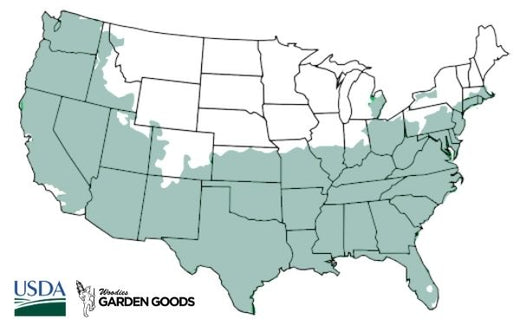
| Hardiness Zone: | 6-10 |
|---|---|
| Mature Height: | 3 to 6 Feet |
| Mature Width: | 3 to 6 Feet |
| Sunlight: | Full sun to part shade (best berries in full sun) |
| Bloom Time / Color: | Late spring to summer; small pink to lavender-white flowers |
| Soil Condition: | Adaptable; best in well-drained soil with organic matter |
| Water Requirements: | Average; keep evenly moist to establish, then deep water during drought |
| Wildlife Value: | Flowers support pollinators; berries feed birds and wildlife |
| Resistance (deer/disease/drought/etc.): | Drought tolerant once established; deer tolerance varies by location |
| Landscape Uses: | Native borders, woodland edges, mixed shrub beds, loose hedges, fall-interest plantings |
How to Care for American Beautyberry
After purchasing your American Beautyberry shrub, be sure to read our recommended care instructions to ensure a healthy and happy plant for years to come.

How should I plant American Beautyberry?
Plant American Beautyberry in full sun to part shade in well-drained soil, giving it enough room to reach its natural arching form. Dig a hole about twice as wide as the root ball, set the plant at the same depth it was growing, backfill, and water deeply to settle the soil around the roots. Finish with a light mulch layer to hold moisture and reduce weeds, keeping mulch a few inches away from the stems. If you’re planting multiple shrubs, lay out the spacing first so each plant gets airflow. This helps the shrubs stay healthier and makes long-term pruning and berry display easier to manage.

How often should I water American Beautyberry after planting?
Water deeply right after planting, then keep the root zone evenly moist (not soggy) during the first growing season. In most gardens, that means deep watering 1–2 times per week when rainfall is light, and more often during heat, wind, or on sandy soils that dry faster. Once established, beautyberry is more drought-tolerant, but it looks best with occasional deep watering during extended dry spells—especially while it’s flowering and setting berries. Water at the base rather than overhead to keep foliage drier and support a healthier plant.

When should I fertilize American Beautyberry?
Fertilize in early spring as new growth begins, using a balanced, slow-release shrub fertilizer, or top-dress with compost around the root zone. Keep fertilizer off the stems and focus on feeding the soil—steady, moderate nutrition supports stronger growth and better berry production without pushing overly soft growth. If your soil is already reasonably fertile, one spring feeding is often enough. In sandy or depleted soils, a second light feeding in late spring can help, but avoid heavy late-summer fertilizing so the shrub can harden off properly before cooler weather.

When and how should I prune American Beautyberry?
Prune in late winter or early spring before new growth starts. Remove dead wood and thin a few older stems at the base to encourage fresh, vigorous shoots that carry a strong berry display. If you want a more compact, bushier shrub, you can cut it back more aggressively in late winter to refresh it. After pruning, let the plant grow naturally through the season—then enjoy the fall berry show on those new stems.