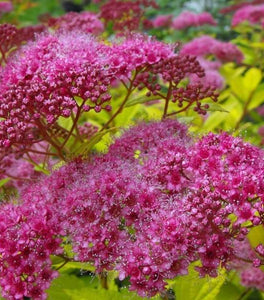
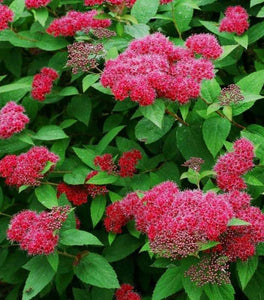
Images Depict Mature Plants
Little Princess Spirea
Spirea japonica 'Little Princess'
Little Princess is a really smart shrub when a landscape needs dependable color without getting too big or unruly. I like it because the rose-pink flowers brighten up sunny beds, the plant stays naturally tidy, and the fall color gives you one more good moment later in the season. It is a great choice for homeowners who want a flowering shrub that is easy to place and easy to enjoy.

15% OFF WITH CODE PLANTING15
Save 15% Off Your Entire Order! Limited time.
📦 Free shipping on orders over $99.
Delay shipping by leaving us a message at Checkout.
Share:



Compact Pink Summer Color for Borders and Foundation Beds
A Compact Spirea With Soft Pink Summer Flowers
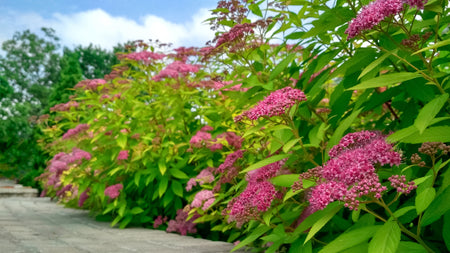
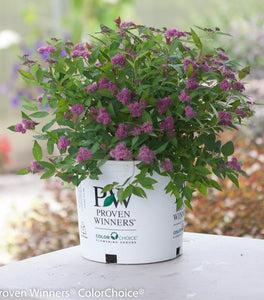
Little Princess Spirea is a great choice for homeowners who want a flowering shrub that stays neat, low, and easy to use. It produces clusters of rose-pink flowers that stand out beautifully against mint green foliage, creating a soft, cheerful display in summer. The overall look is bright and inviting, making it an easy fit in sunny gardens that need reliable seasonal color.
That bloom color is one of the biggest reasons people choose it. It has enough flower power to brighten a border or foundation bed, but the plant never feels oversized or hard to place. For smaller landscapes and tighter planting spaces, Little Princess brings dependable color in a very manageable form.
A Dense Mounding Habit That Stays Tidy
One of the strongest reasons to plant Little Princess Spirea is its naturally compact, rounded habit. It grows in a dense, mounding form, giving it a polished, organized appearance without constant shaping. That makes it especially useful for homeowners who want a shrub that looks clean and intentional through the growing season.
This shape makes it especially effective along walkways, in front-yard beds, and in mixed shrub borders where structure matters just as much as bloom. It can also be repeated in groups to create a more cohesive, finished planting design. Because it stays relatively low, it works beautifully where a full-sized shrub would feel too large or heavy.
A Strong Fit for Borders, Mass Planting, and Foundation Use
Little Princess Spirea is especially useful in residential landscapes because it fills space well without becoming overbearing. It works beautifully in mixed borders, mass plantings, and foundation beds where a compact flowering shrub is needed to soften edges and bring in color.
It can brighten the front edge of a shrub bed, add rhythm to a larger border, or help anchor a sunny foundation planting. Homeowners who want a flowering shrub with a clean shape and easy visual impact often find Little Princess to be one of the simplest and most reliable choices.
Summer Flowers and Fall Color Add More Seasonal Value
Little Princess is not just useful when it is blooming. As the season changes, the foliage develops bright red fall color, giving the shrub a second ornamental season beyond its summer flowers.
That kind of two-season value is especially helpful in smaller landscapes where every plant needs to contribute more than one visual moment. It helps keep the planting lively later in the year and gives homeowners more return from a single shrub selection.
Easy-Care Beauty for Sunny Landscapes
Little Princess Spirea performs best in full sun and well-drained soil, where it can maintain its dense habit and flower most heavily. Once established, it is a dependable, easy-care shrub that fits naturally into many landscape styles.
For homeowners who want a compact flowering shrub with rose-pink blooms, a tidy mounding habit, and bright fall color, Little Princess Spirea is a very dependable choice.
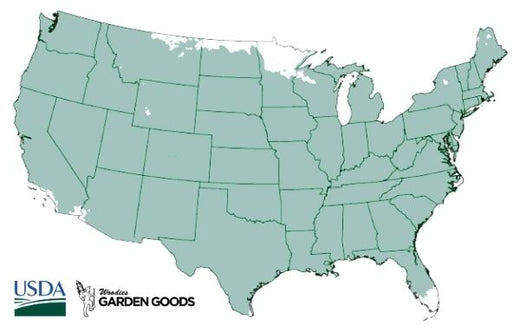
| Hardiness Zone: | 4-9 |
|---|---|
| Mature Height: | 2.5 to 3 Feet |
| Mature Width: | 4 to 5 Feet |
| Sunlight: | Full sun |
| Bloom Time / Color | Summer; rose-pink flowers |
| Soil Condition: | Any well drained soil |
| Water Requirements: | Water well until established |
| Summer; rose-pink flowers | Dense mounding habit, mint green foliage, rose-pink blooms, bright red fall color |
| Wildlife Value | Primarily ornamental landscape value with some pollinator interest |
| Resistance (deer/disease/drought/etc.) | Low-maintenance when properly sited; healthier growth with good care and pruning |
| Landscape Uses | Mixed border, mass planting, specimen planting, foundation bed |
How to Care for Little Princess Spirea
Be sure to read our planting instructions to ensure a healthy and happy Little Princess Spirea for years to come!
-v1775236975944.png?92x91)
How should I plant Little Princess Spirea?
Plant Little Princess Spirea in full sun in well-drained soil where it has room to develop its compact mounding shape. Dig a hole two to three times as wide as the root ball but no deeper than the root ball itself, and set the shrub so the top of the root ball sits level with or slightly above the surrounding soil. Garden Goods Direct lists full sun, any well-drained soil, and a mature size of about 2.5 to 3 feet tall by 4 to 5 feet wide, which supports this planting guidance. This shrub works especially well in foundation beds, mixed borders, and mass plantings where the rounded habit can be appreciated. It looks best when given enough room to spread naturally rather than being crowded by larger shrubs.
-v1775237008305.png?89x84)
How often should I water Little Princess Spirea after planting?
Water deeply right after planting and keep the soil evenly moist while the shrub establishes. Garden Goods Direct’s care section emphasizes a deep initial watering and lists water well until established. Once established, Little Princess is easier to manage, but it still benefits from deep watering during prolonged dry periods. Deep watering is more effective than frequent shallow watering because it encourages stronger root development.
-v1775237030465.png?90x89)
When should I fertilize Little Princess Spirea?
Little Princess Spirea usually does not need heavy feeding. Garden Goods Direct recommends following fertilizer label directions carefully and notes that proper fertilization helps produce healthier plants and more enjoyable blooms. In most landscapes, a light application of balanced slow-release fertilizer in spring is enough if the shrub appears to need support. A moderate approach is usually best so the plant keeps its dense, tidy habit.

When and how should I prune Little Princess Spirea?
Little Princess Spirea usually needs only light shaping and cleanup. Garden Goods Direct notes that pruning helps improve plant health, remove dead or declining twigs, and redefine the shrub’s role in the landscape if it outgrows its intended space. If shaping is needed, prune to preserve the natural mounding form rather than forcing the shrub into a harsh outline. A lighter touch usually creates the healthiest and best-looking plant.