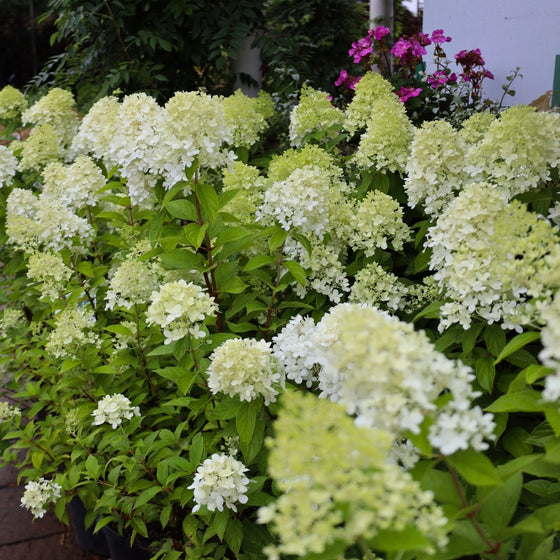
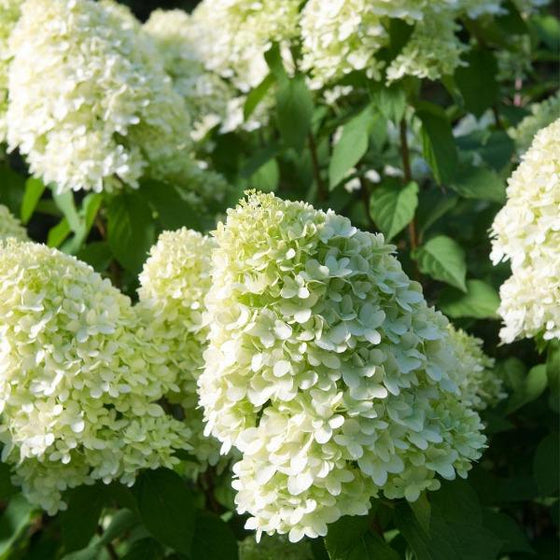


Images Depict Mature Plants
Limelight Hydrangea
Hydrangea paniculata 'Limelight' Plant Patent #12874
Limelight is the hydrangea I reach for when someone wants a big, confident shrub that blooms for months and still feels easy to own—those lime-green cones that fade creamy white and blush pink are pure garden magic, and the fact that it blooms on new wood makes pruning feel refreshingly simple. Give it room, keep the moisture steady, and it will build that full, hedge-worthy presence that makes a yard feel more private, more lush, and more “finished” from midsummer straight into fall.

Take 20% OFF SITEWIDE.
Use Coupon Code: EARLYBIRD20
📦 Free shipping on orders over $99.
Delay shipping by leaving us a message at Checkout.
Share:



Limelight Hydrangea With Lime-Green Blooms And Big Hedge-Worthy Impact
Show-Stopping Lime Blooms That Evolve Into A Fall Pink Finish
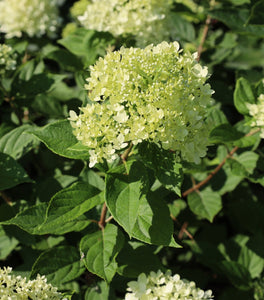
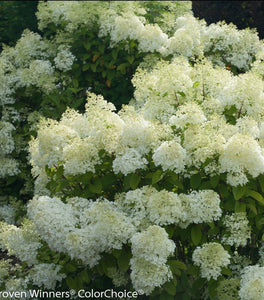
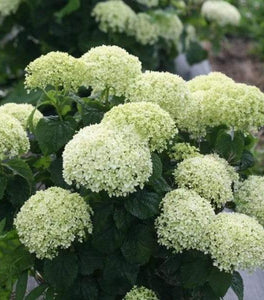
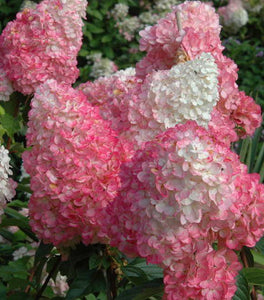
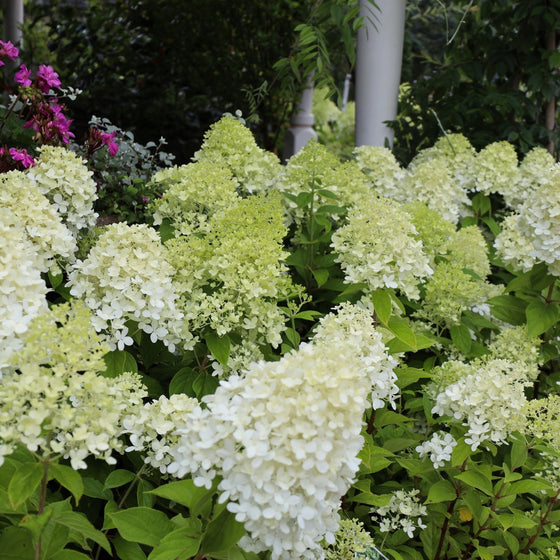
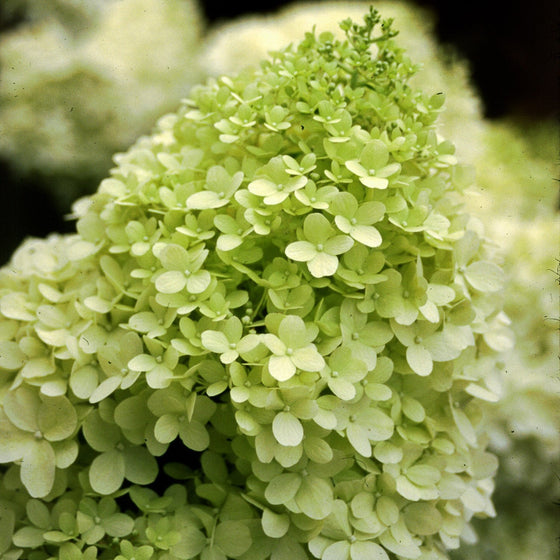
Limelight Hydrangea is famous for one reason: it puts on a long, dramatic show when most landscapes need it most. Huge cone-shaped flower clusters open in that signature lime-green tone, brighten to creamy white as summer settles in, then pick up rosy pink to deeper blush as nights cool toward fall. The result is a shrub that looks “in bloom” for months, not weeks—an instant upgrade for anyone who wants reliable color without constant replanting.
Those big blooms also deliver real design flexibility. Limelight looks equally at home in a crisp foundation bed, a cottage-style border, or a modern landscape with clean lines and evergreen backdrops. It’s also one of the best hydrangeas for fresh-cut arrangements and dried flowers, because the blooms are plentiful, substantial, and hold their shape beautifully through the season.
Big, Bold Growth That Creates Privacy, Structure, And Seasonal Drama
This is not a tiny hydrangea—and that’s the point. Limelight typically matures around 6–8 feet tall and 6–8 feet wide, forming a full, upright shrub that reads like a “flowering screen” when planted in a row. If you’ve ever wanted a hedge that blooms, this is one of the best candidates: it fills space quickly, looks lush from top to bottom, and delivers a seasonal color shift that makes the whole property feel more alive.
Because it grows with presence, Limelight is also excellent as a specimen shrub. One plant can anchor a bed the way an evergreen might—only with a summer-to-fall bloom performance that becomes the centerpiece. Give it room to reach its natural width, and you’ll get a cleaner shape, better airflow, and a more impressive, balanced bloom canopy.
Sun-Tough Performance With Simple, Confidence-Boosting Care
Limelight is a panicle hydrangea, which means it’s generally more sun-tolerant than bigleaf types. Full sun to part shade works well, with the “best” spot depending on your climate: cooler regions can lean toward sunnier spots for maximum blooms, while hotter regions benefit from morning sun and a little afternoon shade to keep foliage looking fresh through the heat. Either way, it’s a shrub that performs in real-life yards—not just perfect garden beds—when you keep the basics consistent.
Moisture is the secret to those biggest, prettiest flower cones. Aim for evenly moist (not soggy) soil, especially in the first season and during summer heat. A mulch ring helps stabilize moisture and temperature, and deep watering during dry spells prevents stress that can reduce bloom size. Once established, Limelight is sturdy and forgiving—but it always looks best when you keep the root zone from drying out too much.
Easy Pruning Because It Blooms On New Wood
Limelight blooms on new wood, which makes pruning refreshingly straightforward. You’re not tiptoeing around last year’s buds—this shrub sets flowers on the season’s fresh growth. That means you can prune in late winter to early spring and still get a full bloom show the same year. It’s one of the biggest reasons Limelight stays so popular: the care routine is simple, repeatable, and beginner-friendly.
For a tidy shrub with strong stems, think “shape and support,” not “chop it down.” Remove dead or damaged wood first, then reduce overall height by about one-third if you want to control size and encourage sturdy branching. Light annual pruning also improves airflow and keeps the plant from getting leggy over time—so you get a cleaner silhouette and better flowering with less fuss.
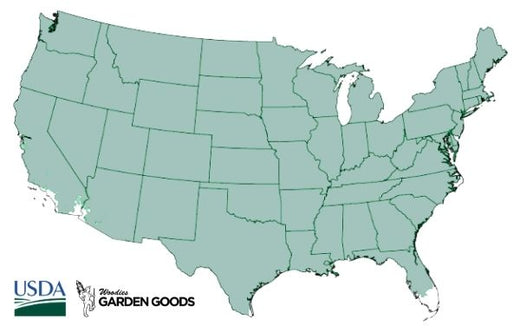
| Hardiness Zone: | 3-9 |
|---|---|
| Mature Height: | 6 to 8 feet |
| Mature Width: | 6 to 8 feet |
| Sunlight: | Full sun to part shade |
| Bloom Time / Color | Mid-summer through fall; lime-green → creamy white → blush pink |
| Pruning Season: | Late Winter to early spring, promotes increased branching and more flowers, flowers on new wood |
| Soil Condition: | Moist, well-drained; organic-rich preferred |
| Water Requirements: | Moderate; consistent moisture for best bloom size |
| Wildlife Value | Seasonal garden interest; pairs well with pollinator plants nearby |
| Resistance (deer/disease/drought/etc.) | Not deer resistant; more resilient once established with mulch and deep watering |
| Landscape Uses | Flowering hedges, screens, borders, foundations, specimens, cut and dried flowers |
How to Care for Limelight Hydrangea
Be sure to read our planting instructions to ensure a healthy and happy Limelight Hydrangea for years to come!

How should I plant Limelight Hydrangea?
Plant Limelight Hydrangea in full sun to part shade in well-drained soil that stays evenly moist. Dig a hole about twice as wide as the root ball and just as deep, set the shrub so the top of the root ball is level with the surrounding soil, then backfill and water deeply to settle roots. If your soil is sandy or thin, blend in compost to improve moisture-holding; if it’s heavy clay, loosen the area and add organic matter to support drainage and rooting. Finish with a 2–3 inch mulch ring to keep roots cool and reduce moisture swings, keeping mulch a few inches away from the stems. For hedge plantings, lay out spacing before you dig so the row looks intentional from day one and the shrubs have room to mature without crowding.

How often should I water Limelight Hydrangea after planting?
aFor the first 2–3 weeks, water every 2–3 days so the root zone stays evenly moist (not soggy), especially during warm or windy weather. After that, transition to deep watering about once per week, increasing to once or twice weekly during heat or drought. A slow soak at the base is best because it encourages deeper roots and stronger, more resilient growth. Once established, Limelight still looks best with consistent moisture during summer when it is building stems and flower cones. If you notice drooping during hot afternoons, check soil moisture and give a deep soak rather than frequent light watering—steady moisture supports bigger blooms and sturdier stems.ter deeply once or twice a week during the first growing season to establish roots. Once mature, Limelight is drought-tolerant but performs best with consistent moisture. Avoid letting the soil dry completely between waterings. In extremely hot conditions, increase watering frequency. A mulch layer helps regulate soil moisture, ensuring vibrant blooms all season long.

When should I fertilize Limelight Hydrangea?
Fertilize in early spring as new growth begins using a balanced, slow-release fertilizer. This supports vigorous growth and strong flowering without pushing overly soft stems. If you prefer a simpler approach, top-dress with compost and refresh mulch each spring—healthy soil and steady moisture often matter more than heavy feeding. Avoid heavy fertilizing late in summer, which can encourage tender growth at the wrong time. If your soil is already fertile, keep feeding modest; too much nitrogen can produce lush leaves at the expense of sturdier branching and bloom performance.

When and how should I prune Limelight Hydrangea?
Prune Limelight Hydrangea in late winter to early spring, before new growth takes off. Because it blooms on new wood, this timing encourages vigorous stems that flower the same season. Start by removing dead, damaged, or crossing branches, then shape the plant and reduce overall height by up to one-third if you want tighter form and stronger branching. For the largest flower cones, prune a bit more firmly to encourage fewer, stronger shoots. For more blooms that are slightly smaller, prune lighter so the shrub keeps more stems. Either approach works—the key is pruning before spring growth begins, not after buds have started to push.