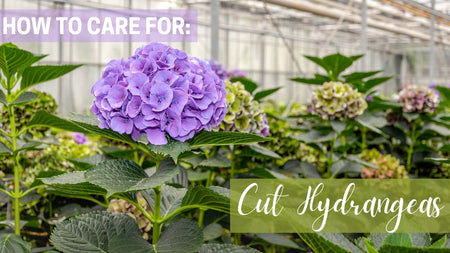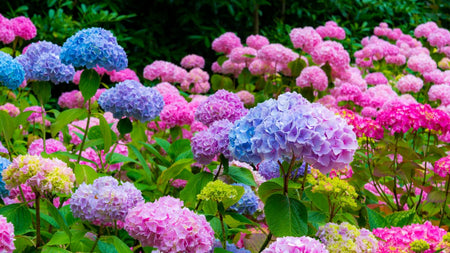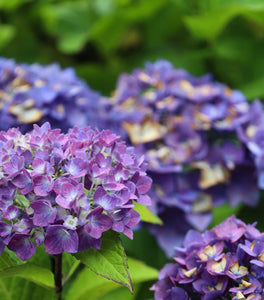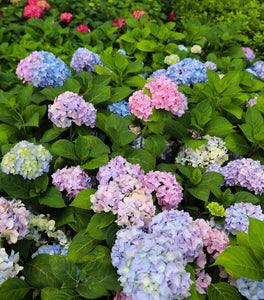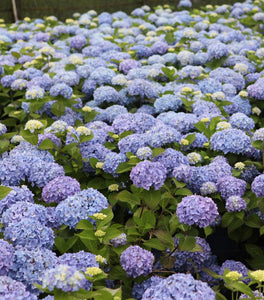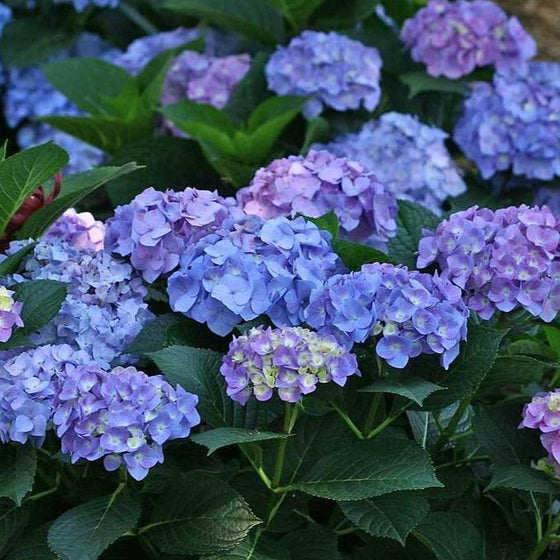

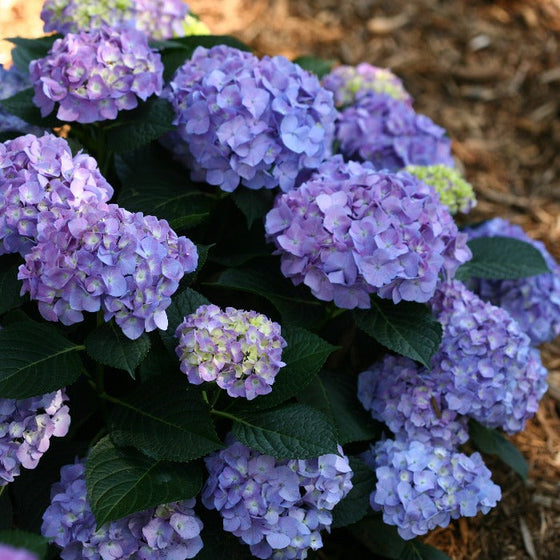
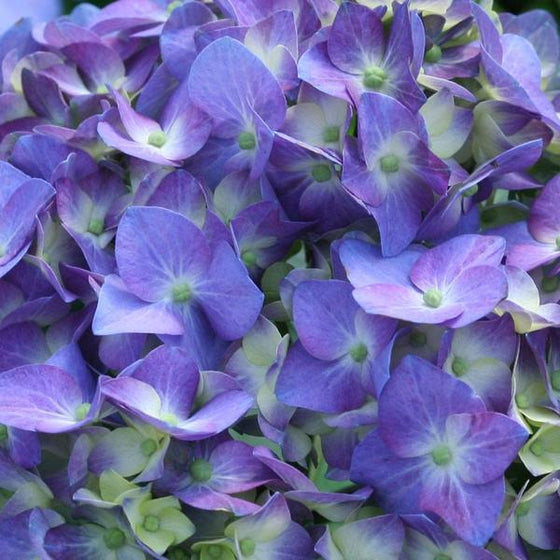
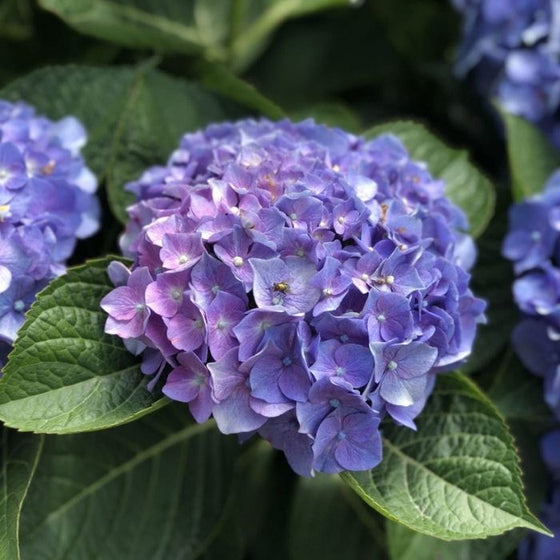



Images Depict Mature Plants
Let’s Dance® Blue Jangles® Hydrangea
Hydrangea macrophylla 'SMHMTAU' PP27035
Blue Jangles® is one of those hydrangeas that makes life easier—compact, bloom-forward, and bred to keep the flowers coming instead of giving you one quick show. I love it for foundation beds and patio borders because it fits, it looks lush, and it can lean a gorgeous blue when soil conditions cooperate. Give it morning sun, afternoon shade, steady moisture, and a light spring cleanup, and it’ll keep your garden looking “in bloom” for a long stretch of summer.

20% Off Sitewide Sale!
Use Code 'ENDOFSEASON20' At Checkout
📦 Free shipping on orders over $99.
Delay shipping by leaving us a message at Checkout.
Share:


Blue Jangles® Reblooming Hydrangea for Bold Blue Mopheads and Compact, Repeat-Bloom Color
Bold Mophead Blooms That Keep Your Garden In Color Longer
Blue Jangles® is all about that classic hydrangea impact—big, rounded mophead blooms that look lush and “finished” from the curb. But unlike many traditional bigleaf hydrangeas that peak once and fade, this one is bred for repeat bloom. That means you have a better chance of getting fresh flowers beyond the first flush, keeping beds and foundation plantings looking colorful deeper into summer.
This is a great hydrangea for anyone who loves the classic look but wants less guesswork. In a mixed border, Blue Jangles® becomes a reliable mid-layer star: big blooms, rich foliage, and a size that doesn’t overwhelm the space. Plant one near an entry for instant summer wow, or repeat it in a row to create a low flowering hedge that looks intentional and high-end.
A Compact Shrub That Fits Foundation Beds And Tight Borders
Blue Jangles® is designed to stay compact, making it easier to place than many older mophead hydrangeas. It typically matures around 2 to 3 feet tall and about 2 to 3 feet wide, so it plays nicely in front beds, small gardens, and layered plantings where you want flowers without sacrificing walking space or sightlines. It’s also a smart choice for gardeners who want hydrangeas but don’t want to commit to a larger shrub footprint.
Because it stays smaller, it’s also easier to keep evenly watered—one of the biggest keys to hydrangea success. Use it as a front-of-bed anchor, a patio-border showpiece, or a repeated “rhythm plant” between evergreens and perennials. That compact habit plus reblooming performance is what makes Blue Jangles® feel like a modern, practical hydrangea for real landscapes.
Blue Blooms Potential With The Right Soil And Site
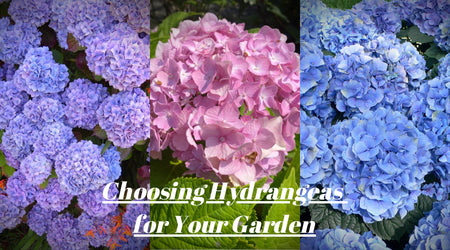
Blue Jangles® is prized for its strong blue potential, especially in more acidic soils. Like many bigleaf hydrangeas, flower color can shift—bluer in acidic conditions, pinker in more alkaline soils, with purplish tones often showing up in the middle. The best part is that the plant still looks gorgeous across the spectrum, but if “true blue” is your goal, consistency matters.
Start with the right light and moisture first: morning sun with afternoon shade (or bright filtered light) is ideal in many regions, and steady moisture keeps blooms and foliage looking lush. Add organic matter to improve soil structure, mulch to stabilize moisture, and avoid letting the plant dry out during bud set and bloom time. When Blue Jangles® is comfortable, it reblooms more reliably, and the color reads richer.
Simple Care And Low-Stress Pruning That Supports Reblooming
Blue Jangles® is a reblooming hydrangea, so you don’t need aggressive pruning to keep it flowering. In early spring, remove any clearly dead stems and tidy winter damage, then let the plant grow. More stems generally mean more blooms, and minimal pruning helps preserve flowering wood while encouraging new growth that can also produce flowers.
If you want to shape the plant or keep it extra tidy, do light trimming after a flush of blooms and avoid heavy late-summer or fall pruning. Keep watering consistently, especially in the heat, and use mulch to protect the root zone. With basic care—sun that’s not scorching, soil that drains but stays moist, and gentle pruning—Blue Jangles® stays compact, healthy, and beautifully bloom-forward.
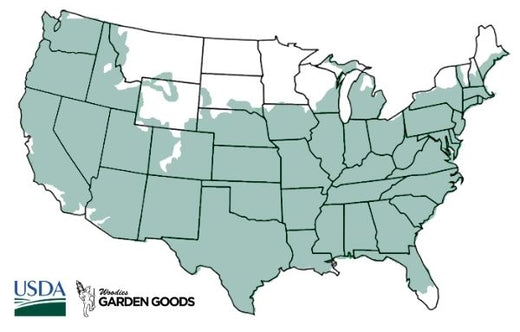
| Hardiness Zone: | 5-9 |
|---|---|
| Mature Height: | 2 to 3 Feet |
| Mature Width: | 2 to 3 Feet |
| Sunlight: | Morning sun to partial shade (afternoon shade best) |
| Bloom Time / Color: | Summer with repeat bloom; blue in acidic soil, pink in alkaline, purple in between |
| Pruning Season: | Prune in late winter, flowers on old and new wood |
| Soil Condition: | Rich, well-drained soil with consistent moisture |
| Water Requirements: | Medium-high; water regularly, especially first year and in heat |
| Wildlife Value: | Can attract pollinators; adds garden habitat in mixed beds |
| Resistance: | Not reliably deer resistant; reblooming habit improves flower reliability; not drought tolerant |
| Landscape Uses: | Foundation beds, borders, small gardens, low hedge, containers, part-shade beds, cut flowers |
How to Care for Blue Jangles® Reblooming Hydrangea
Be sure to read our planting instructions to ensure a healthy and happy Blue Jangles® Reblooming Hydrangea for years to come!
-v1770569878134.png?92x91)
How should I plant Blue Jangles® Reblooming Hydrangea?
Plant Blue Jangles® in a spot with morning sun and afternoon shade, or bright filtered light. Dig a hole about twice as wide as the root ball and set the plant so the top of the root ball sits level with the surrounding soil. Backfill with native soil amended with compost, then water deeply to settle roots and remove air pockets. Finish with 2–3 inches of mulch to keep roots cool and soil evenly moist, keeping mulch a few inches away from the stems. Because this hydrangea stays compact, it’s perfect for tight beds—but still give it room to mature without crowding nearby plants. Good drainage plus consistent moisture is the fastest path to healthier growth and better reblooming.
-v1770569908625.png?89x84)
How often should I water Blue Jangles® Reblooming Hydrangea after planting?
Water deeply right after planting, then keep the soil consistently moist for the first several weeks. A good baseline is 1 to 2 deep waterings per week, adjusted for heat, wind, and drainage. Hydrangeas prefer steady moisture, so avoid letting the root zone dry completely between waterings. After the first season, continue watering during dry spells—especially during bud set and flowering. Water at the base to keep foliage drier and reduce leaf issues. Mulch helps stabilize moisture levels, supporting stronger bloom cycles and more reliable repeat flowers.
-v1770569940026.png?90x89)
When should I fertilize Blue Jangles® Reblooming Hydrangea?
Fertilize in spring as new growth begins, using a slow-release shrub fertilizer or one labeled for hydrangeas. Apply it over the root zone (not against the stems) and water afterward so nutrients move into the soil. Compost is also a great add-on for improving soil structure and moisture retention. If your soil is lean or you want to support repeat bloom, a light second feeding in early summer can help. Avoid heavy late-season fertilizing, which can push tender growth when the plant should be slowing down. Consistent, moderate feeding supports healthier foliage and steadier flowering.

When and how should I prune Blue Jangles® Reblooming Hydrangea?
Prune Blue Jangles® lightly in early spring by removing any clearly dead stems and tidying winter damage. Because it’s reblooming, heavy pruning isn’t required and can reduce the number of flowering stems. Focus on cleanup and gentle shaping rather than hard cutbacks. If you need to shape or slightly reduce size, do it right after a major flush of flowers and keep cuts light. Avoid aggressive pruning in late summer or fall, which can reduce future bud development and stress the plant going into winter. Minimal pruning plus consistent moisture is the simplest path to repeat blooms.