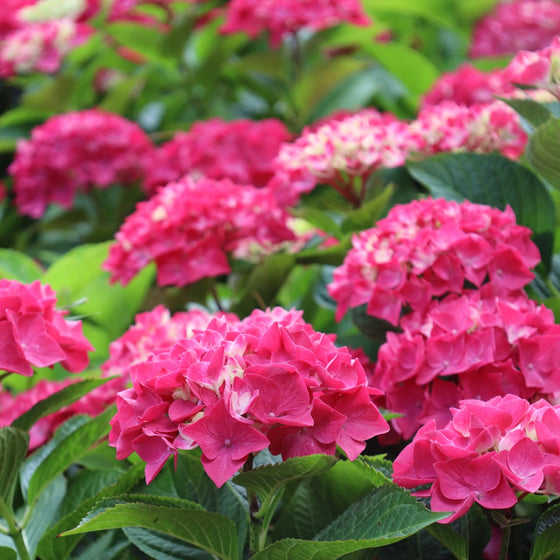
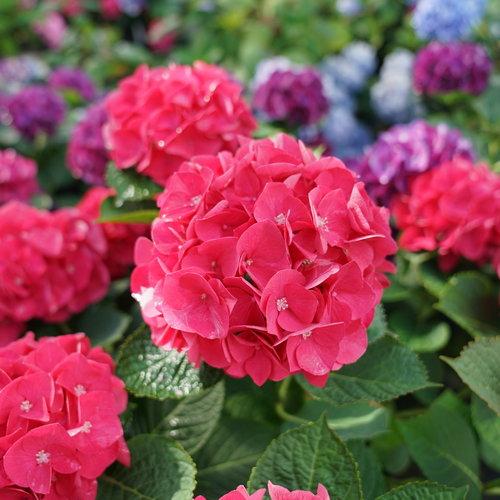


Images Depict Mature Plants
Wee Bit Giddy® Hydrangea
Hydrangea macrophylla 'SMNHML' PP32317, CPBRAF
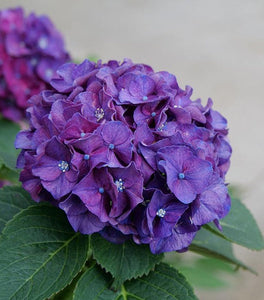
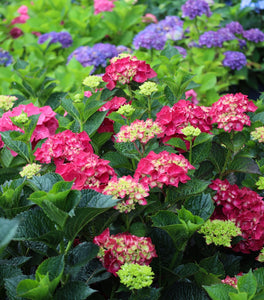
Wee Bit Giddy® is my kind of hydrangea for real-life gardens—big mophead blooms, lush foliage, and a compact habit that actually fits at the front of the border or in a patio pot where you can enjoy it every day. I also love the color-play: let your soil lean acidic for cooler tones, or more neutral for pinks, then keep the water steady and prune gently so you protect those next-season buds.

20% Off Sitewide Sale!
Use Code 'ENDOFSEASON20' At Checkout
📦 Free shipping on orders over $99.
Delay shipping by leaving us a message at Checkout.
Share:


Wee Bit Giddy® Hydrangea Compact Mophead Blooms For Small Spaces
Big Mophead Blooms In A Petite, Border-Friendly Shrub
Wee Bit Giddy® Hydrangea is made for gardeners who want that classic bigleaf hydrangea look—lush foliage and mophead blooms—without committing half the bed to one plant. The bloom clusters are generously sized for a dwarf shrub, so the plant reads as “all bloom” once it’s in its stride. Tucked along the front of a border, beside a walkway, or in a small foundation bed, it delivers a bold, high-end hydrangea feel in a footprint that stays easy to design around.
It’s also a great way to add hydrangea color where you’ll actually enjoy it up close. Place it near a patio, porch, or entry, and you get that florist-style impact without blocking sight lines. Because it’s compact, it works beautifully as a repeating accent plant—one of the simplest tricks for making a landscape feel intentional and professionally planned.
Color-Changing Blooms That Respond To Your Soil
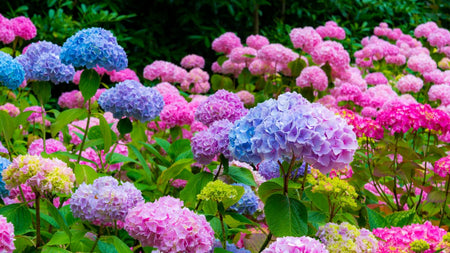
Like many bigleaf hydrangeas, Wee Bit Giddy® can shift flower color in response to soil pH and aluminum availability. In more acidic soils, blooms tend to lean cooler (often toward blue or purple tones), while in more neutral to slightly alkaline soils, they tend to lean warmer (pink tones). That means your garden can naturally “choose” the bloom shade, and you can fine-tune over time if you love experimenting with hydrangea color.
This flexibility makes Wee Bit Giddy® especially fun in mixed beds and containers. If you’re after cooler tones, keep the soil more acidic; if you prefer warmer pinks, allow soil to stay closer to neutral. No matter the shade, the plant’s compact habit and full mophead clusters create that classic hydrangea presence—dense, lush, and unmistakably summer.
A Top Pick For Containers And Part-Shade Patios
Wee Bit Giddy® shines in containers because it stays small, tidy, and bloom-forward. A single plant can anchor a large patio pot, or you can pair two to frame an entry. The best setup is a roomy container with drainage holes, a quality potting mix that holds moisture but drains well, and a watering routine that keeps the root zone evenly moist during summer heat.
In the landscape, part shade is often the sweet spot—especially morning sun with afternoon shade in warmer climates. That light pattern keeps foliage fresher and helps blooms last longer. If you’re gardening in a cooler climate, it can handle more sun as long as you keep moisture consistent. Give it the right light and steady water, and it rewards you with a long, lush season of hydrangea beauty.
Simple Care With Pruning That Protects Next Year’s Flowers
Wee Bit Giddy® is low-maintenance when you follow the most important bigleaf hydrangea rule: don’t prune at the wrong time. Many bigleaf hydrangeas form flower buds on older stems, so heavy pruning in fall, winter, or early spring can reduce blooms. Instead, focus on gentle cleanup—remove dead wood in early spring and do any shaping or deadheading right after flowering.
If you ever need to refresh the plant, do it gradually. Remove a small number of the oldest stems at the base after bloom to encourage new growth while keeping enough older stems to carry next season’s buds. With consistent moisture, a spring feed, and light, well-timed pruning, Wee Bit Giddy® stays compact, leafy, and reliably bloom-heavy.
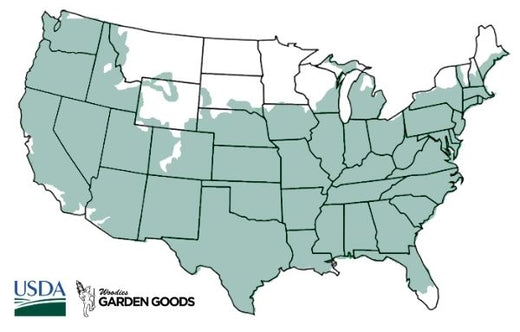
| Hardiness Zone: | 5-9 |
|---|---|
| Mature Height: | 2 to 3 Feet |
| Mature Width: | 2 to 3 Feet |
| Sunlight: | Full sun in cool climates; part shade in warm climates |
| Bloom Time / Color: | Summer; typically blue/purple in acidic soil, pink in neutral soil |
| Pruning Season: | Not needed (remove dead branches in spring after buds show) |
| Soil Condition: | Moist, well-drained; bloom color may shift with soil pH |
| Water Requirements: | Moderate; consistent moisture for best blooms |
| Wildlife Value: | Seasonal pollinator interest in mixed plantings |
| Resistance: | Not deer resistant; best with steady moisture and mulching |
| Landscape Uses: | Front of border, foundation beds, mass planting, patio containers, accent shrub, cut flowers |
How to Care for Wee Bit Giddy® Hydrangea
Be sure to read our planting instructions to ensure a healthy and happy Wee Bit Giddy Hydrangea plant for years to come!
-v1759779638596.png?92x91)
How should I plant Wee Bit Giddy® Hydrangea?
Plant Wee Bit Giddy® Hydrangea where it gets morning sun and afternoon shade in warm climates, or fuller sun in cooler climates. Choose well-drained soil that stays evenly moist, and dig a hole about twice the width of the root ball and just as deep. Set the plant so the top of the root ball is level with the surrounding soil, backfill with native soil (add compost if needed), and water deeply to settle roots. Finish with a 2–3 inch mulch ring to conserve moisture and keep roots cool, keeping mulch a few inches away from the stems. If planting multiples, space them so each shrub has room to mature without crowding—this supports airflow, reduces stress, and makes summer foliage look cleaner.
-v1759779643870.png?89x84)
How often should I water Wee Bit Giddy® Hydrangea after planting?
For the first 2–3 weeks, water every 2–3 days to keep the root zone evenly moist, especially during warm weather. After that, transition to deep watering about 1–2 times per week, depending on rainfall and heat. Check soil moisture by feeling the top couple of inches; if it’s dry, water thoroughly at the base. Once established, it still performs best with consistent moisture during bud set and bloom. Containers will need more frequent watering than in-ground plantings because pots dry faster, especially on sunny patios or near warm walls.
-v1759779648615.png?90x89)
When should I fertilize Wee Bit Giddy® Hydrangea?
Fertilize in early spring, as new growth begins, with a balanced, slow-release fertilizer. This supports steady growth and bloom development without pushing overly soft growth. Compost and an annual mulch refresh are also excellent, gentle ways to feed the plant and improve soil quality. Avoid heavy feeding late in summer, and avoid high-nitrogen products that can produce lots of leaves and fewer flowers. If your soil is very lean, a light second feeding in early summer can help—keep it modest and water well after application.

When and how should I prune Wee Bit Giddy® Hydrangea?
Prune lightly to protect blooms, since many bigleaf hydrangeas set flower buds on older stems. In early spring, remove only dead wood and winter damage, cutting back to healthy buds. For deadheading and shaping, prune right after flowering so you don’t remove developing buds for next year. If the plant becomes crowded over time, refresh it gradually by removing a small number of the oldest stems at the base after bloom. Avoid hard pruning in fall, winter, or early spring—those are the most common times people accidentally prune away the flower show.