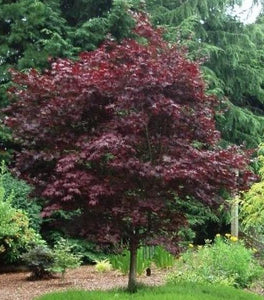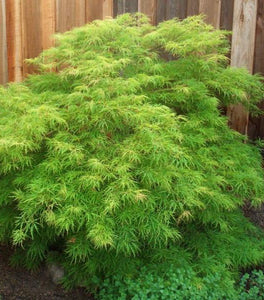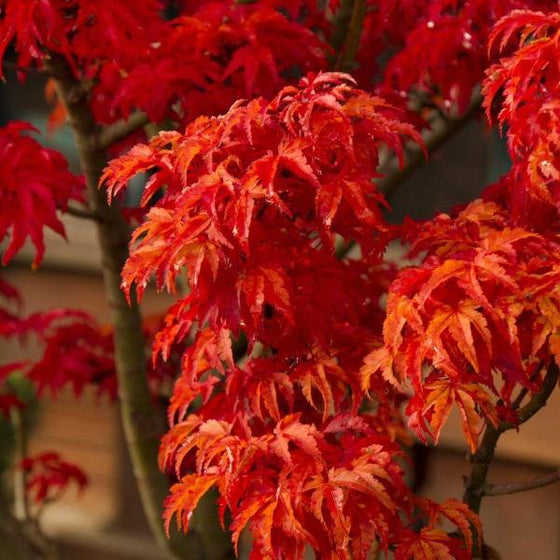


Images Depict Mature Plants
Lion's Head Japanese Maple
Acer palmatum 'Shishigashira'
Lion’s Head Japanese Maple is one of those trees I like when a landscape needs real character. The compact upright habit is useful, but what really makes it special is the dense branching and unusual foliage texture. It feels architectural and refined without being stiff, and it gives smaller gardens a specimen tree that looks thoughtful and different from the typical Japanese maple.

20% Off Sitewide Sale!
Use Code 'ENDOFSEASON20' At Checkout
📦 Free shipping on orders over $99.
Delay shipping by leaving us a message at Checkout.
Share:Recommended Add-Ons


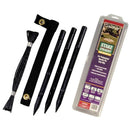
Dense Upright Form With Distinctive Textured Foliage
A Unique Japanese Maple With Bold Texture and Structure
Lion’s Head Japanese Maple is one of the most distinctive Japanese maples you can plant. Unlike laceleaf types or wider upright varieties, this cultivar is known for its dense branching and unusual foliage, with small leaves that cluster tightly along the stems and create a textured, almost sculptural appearance. When homeowners want a Japanese maple that looks different from the norm, Lion’s Head stands out immediately.
Its character comes as much from form as from color. The compact upright habit gives it a strong architectural presence, while the tightly layered branching makes it feel refined and substantial even at a smaller size. This is the kind of tree that draws attention for its structure, not just for its seasonal color.
A Compact Upright Maple for Small Gardens and Focal Points
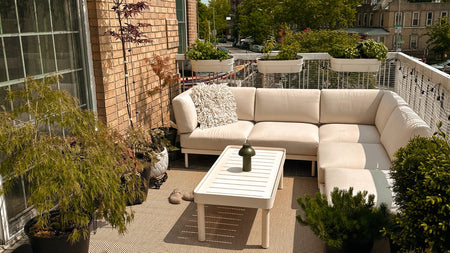
Lion’s Head Japanese Maple is especially useful in landscapes where space is limited but a specimen tree is still desired. It grows in a slow, upright, compact form that makes it ideal for foundation corners, courtyard gardens, patio-adjacent beds, and highly visible focal-point plantings. It has enough presence to anchor a small garden, yet stays manageable for homeowners who do not want a tree that quickly outgrows the space.
Because it grows more upright and dense than many other Japanese maples, it works beautifully where a weeping type would feel too broad or where a larger ornamental tree would be too much. It fits naturally into more structured landscape designs and also works well in smaller residential settings where every plant needs to earn its place.
Distinctive Green Foliage and Excellent Fall Color
The foliage of Lion’s Head Japanese Maple is one of its signature features. The leaves emerge green and stay a rich, healthy green through the growing season, but their curled, clustered appearance gives the tree a texture that feels richer and more unusual than a standard green Japanese maple. This makes it especially valuable in landscapes that need texture and form, not just color.
In fall, the display becomes even more striking as the foliage turns warm tones of orange, gold, and sometimes reddish-orange. That seasonal shift gives the tree a dramatic finish to the year and adds another reason for homeowners to choose it over more ordinary green ornamentals. It is a tree that offers both character and seasonal payoff.
A Strong Choice for Structured Gardens and Four-Season Interest
Lion’s Head Japanese Maple is a particularly good fit for gardens that benefit from shape and year-round structure. Its dense branching helps it hold visual weight even in winter, which is something many small ornamental trees cannot do as well. Once the leaves drop, the tree's compact branch framework still gives it a sculptural presence, helping the landscape feel designed and complete.
That makes it a smart choice near entries, patios, walkways, and beds viewed from inside the house. It offers beauty in spring and summer foliage, strong fall color, and a refined winter outline. For homeowners who want a Japanese maple that feels substantial, artistic, and useful across multiple seasons, Lion’s Head is an exceptional option.
Easy Elegance With the Right Siting
Lion’s Head Japanese Maple performs best in well-drained soil with regular moisture during establishment. In cooler climates, it can handle more sun, while in warmer areas, it usually benefits from some protection from harsh afternoon exposure. Thoughtful siting helps preserve leaf quality and supports the tree’s slow, balanced growth.
Like many Japanese maples, it does not need aggressive maintenance. Once established in the right place, it becomes a dependable ornamental tree with strong form, excellent fall color, and relatively simple care. For homeowners who want a compact upright Japanese maple with real personality, Lion’s Head Japanese Maple is one of the best choices available.
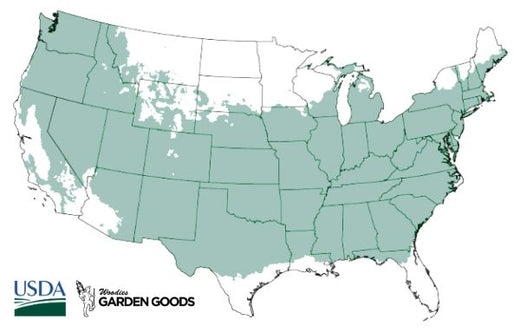
| Hardiness Zone: | 5-8 |
|---|---|
| Mature Height: | 10 to 12 feet |
| Mature Width: | 6 to 8 feet |
| Sunlight: | Partial shade to full sun (afternoon shade helps in hot climates) |
| Bloom Time / Color | Grown for foliage rather than flowers |
| Soil Condition: | Well-drained, slightly acidic, organic-rich |
| Water Requirements: | Regular moisture during establishment; keep evenly moist but not soggy |
| Wildlife Value | Primarily ornamental landscape value |
| Resistance (deer/disease/drought/etc.) | Low-maintenance when properly sited; slow growing and dependabl |
| Ornamental Features | Dense branching, curled green foliage, compact upright habit, orange to gold fall color |
| Landscape Uses | Specimen tree, foundation accent, courtyard garden, patio garden, focal point planting |
How to Care for Lion's Head Japanese Maple
Be sure to read our planting instructions to ensure a healthy and happy Lion’s Head Japanese Maple plant for years to come!
-v1744387085018.png?92x91)
How should I plant Lion’s Head Japanese Maple?
Plant Lion’s Head Japanese Maple in well-drained soil where it will be protected from harsh afternoon sun and drying winds, especially in warmer regions. Dig a hole 2–3 times wider than the root ball and set the tree so the top of the root flare sits at or slightly above the surrounding soil level. Backfill with native soil (lightly amend with compost if needed), water deeply, and apply a 2–3-inch mulch ring over the root zone. Give the tree room for its mature width and keep turf away from the trunk to reduce competition for water. Avoid low spots that stay wet in winter, and don’t bury the trunk under mulch. A careful planting depth and good drainage are the two biggest keys to long-term Japanese maple success.
-v1744387097969.png?89x84)
How often should I water Lion’s Head Japanese Maple after planting?
Water deeply right after planting, then keep the root zone evenly moist through the first growing season. In most landscapes, that means a deep soak 1–2 times per week when rainfall is light, and more often during hot or windy weather. Slow, thorough watering is better than frequent sprinkling because it encourages deeper, stronger roots. After the first year, water during extended dry spells to prevent stress and leaf scorch. Japanese maples prefer consistency—avoid big swings from soggy to dry. Mulch helps stabilize moisture and temperature, which supports healthier foliage and steadier growth.
-v1744387107738.png?90x89)
When should I fertilize Lion’s Head Japanese Maple?
Fertilize lightly in early spring as new growth begins, using a balanced, slow-release fertilizer appropriate for trees and shrubs. If your soil is already fertile, a top dressing of compost may be enough. The goal is steady, healthy growth—not pushing the tree to grow fast, which can reduce the refined, dense character that makes ‘Shishigashira’ special. Avoid heavy fertilizing in late summer, which can encourage tender growth that doesn’t harden off well before colder weather. If you’re unsure, feed less rather than more—Japanese maples generally perform best with modest nutrition and excellent soil structure.

When and how should I prune Lion’s Head Japanese Maple?
Prune Lion’s Head Japanese Maple in late winter to early spring before leaves fully expand, or in mid-summer after the first flush hardens off, focusing on structure and cleanliness. Remove dead, damaged, or crossing branches, and thin lightly to improve airflow and highlight the tree’s natural branching. Keep pruning to a minimum—this cultivar naturally maintains a dense, upright form. Avoid heavy pruning in fall, and avoid “shearing” like a hedge. The best look comes from selective, thoughtful cuts that preserve the architectural habit. When you prune with restraint, ‘Shishigashira’ keeps its signature lion’s mane texture and a clean, refined silhouette.