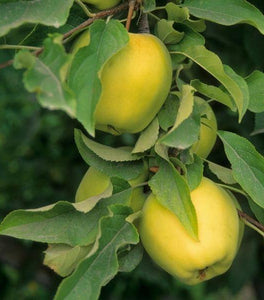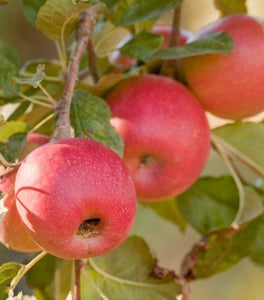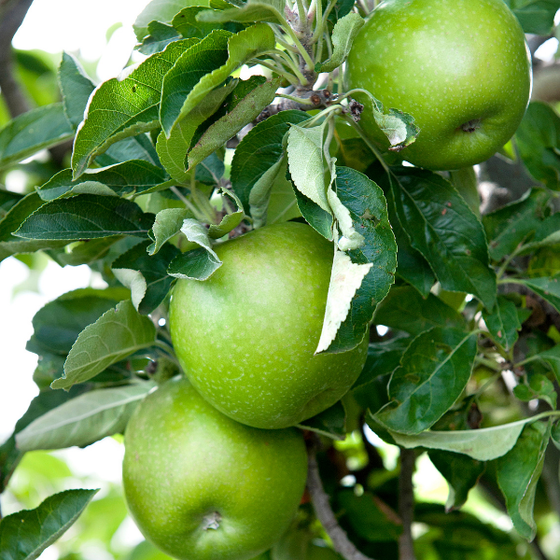
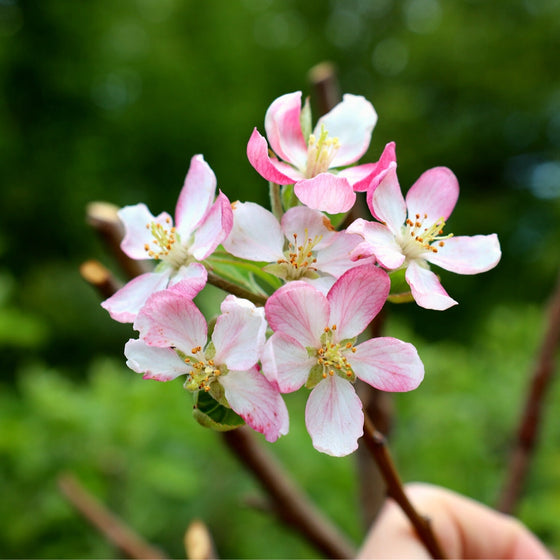
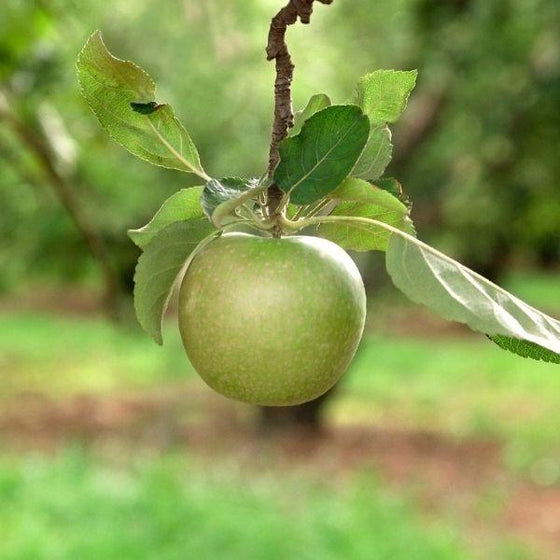
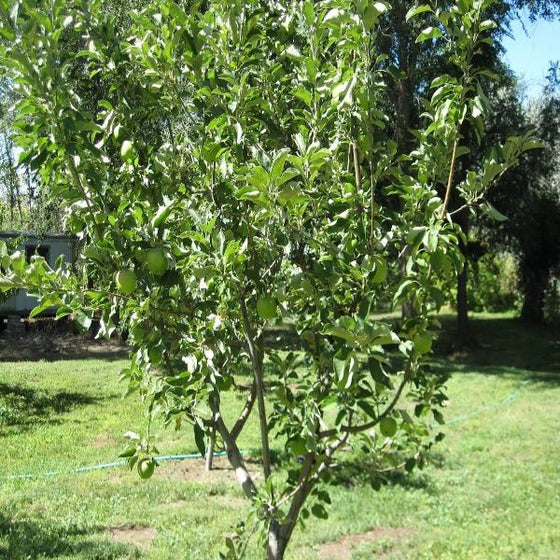


Images Depict Mature Plants
Granny Smith Apple Tree
Malus domestica 'Granny Smith'
Granny Smith Apple Tree is a great fit for homeowners who want a fruit tree with a little more personality in the harvest. The tart, crisp apples are incredibly useful in the kitchen, and that familiar green fruit gives this tree instant recognition in the landscape. Add in the spring bloom and manageable size, and you have a fruit tree that feels both classic and genuinely practical for a backyard orchard.

15% OFF WITH CODE PLANTING15
Save 15% Off Your Entire Order! Limited time.
📦 Free shipping on orders over $99.
Delay shipping by leaving us a message at Checkout.
Share:


Crisp Green Apples with Classic Orchard Charm
A timeless apple tree for fresh fruit and baking
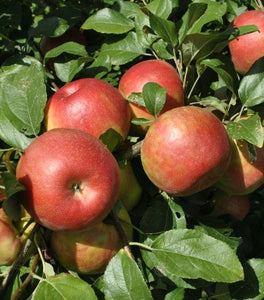
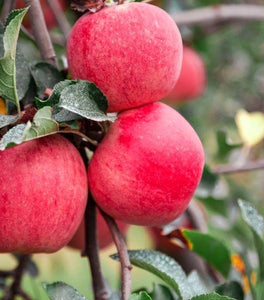
Granny Smith Apple Tree is a classic choice for homeowners who want a fruit tree with both strong harvest value and familiar appeal. This variety is prized for producing crisp green apples with a bright tart flavor that stands out from sweeter apples, making it an excellent option for fresh eating, baking, sauces, and pies.
That versatility gives Granny Smith a real edge in the home landscape. It is not just a fruit tree that looks attractive in spring and summer. It is also a tree that produces apples, many homeowners already know how to use and enjoy, which makes the harvest feel especially practical and rewarding.
Distinctive tart flavor with kitchen-ready versatility
The flavor of Granny Smith apples is one of their biggest selling points. Their firm texture and lively tartness make them ideal for recipes where you want apples to hold their shape and deliver real flavor. They are especially well-suited to baking, but they are also excellent for slicing, snacking, and adding brightness to salads and seasonal dishes.
For homeowners building a backyard orchard, that kind of fruit quality matters. Granny Smith brings a different flavor profile to the harvest, helping create more variety at home instead of producing apples that all taste the same. It is a smart variety for anyone who wants orchard fruit with a real culinary range.
Spring bloom and a handsome spreading canopy
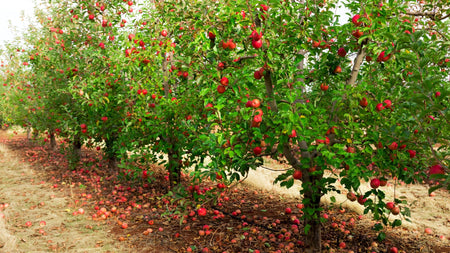
Before fruiting season arrives, the Granny Smith Apple Tree adds ornamental beauty to the landscape with spring blossoms and a graceful spreading habit. Its umbrella-shaped canopy and dark green foliage give it the classic look people want from a traditional orchard tree, helping it blend beautifully into both edible and ornamental plantings.
This makes Granny Smith easy to use beyond the orchard row. It fits naturally into kitchen gardens, sunny backyards, edible borders, and lawn plantings where homeowners want a tree that offers both seasonal beauty and useful harvests.
Reliable production with even better results near a pollinator
Granny Smith Apple Tree is considered self-fertile, which means it can produce fruit on its own. Even so, fruiting is often improved when another compatible apple variety is planted nearby, especially for homeowners who want fuller crops and more dependable production.
That makes Granny Smith an excellent tree for both single-tree planting and multi-tree orchard plans. It works well as a productive standalone apple, but it becomes even more rewarding when paired with another variety to support cross-pollination and extend the harvest season.
A smart fit for backyard orchards and edible landscapes
With its manageable size, recognizable fruit, and strong spring-to-fall appeal, the Granny Smith Apple Tree is an easy choice for homeowners who want beauty and usefulness in one planting. It offers a more traditional orchard experience while still fitting comfortably into many residential landscapes.
For gardeners who want a fruit tree that feels familiar, productive, and highly usable in the kitchen, Granny Smith is hard to beat. It brings together ornamental value, tart crisp apples, and dependable garden character in a way that feels both timeless and practical.
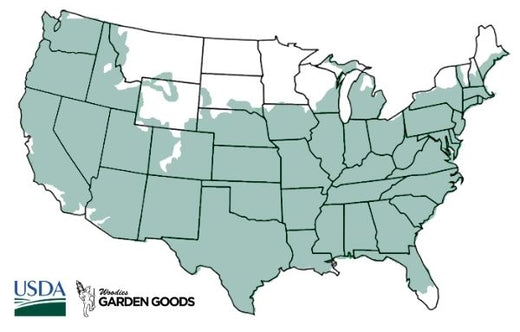
| Hardiness Zone: | 5-9 |
|---|---|
| Mature Height: | 10 to 12 feet |
| Mature Width: | 10 to 12 feet |
| Sunlight: | Full sun |
| Fruit Time / Color | Light green |
| Bloom Time / Color | Spring / white to soft pink-tinted blossoms |
| Taste / Fruit Use | Crisp, tart, and juicy; excellent for fresh eating, baking, pies, and sauces |
| Soil Condition: | Any well drained soil |
| Water Requirement: | Water well until established |
| Pollination | Self-fertile; fruiting improves with a compatible apple variety nearby |
| Resistance (disease/drought/etc.) | Best performance with full sun, airflow, and consistent orchard care |
| Landscape Uses | Backyard orchards, edible landscapes, kitchen gardens, sunny specimen planting |
How to Care for Granny Smith Apple Tree
Before you buy a Granny Smith Apple Tree, make sure to read about the recommended care instructions to keep this plant healthy and thriving.

How should I plant Granny Smith Apple Tree?
Plant Granny Smith Apple Tree in a full-sun location with well-drained soil and enough room for its mature canopy to spread. Dig a hole about twice as wide as the root ball but no deeper than the existing soil line, then set the tree so the top of the root zone remains level with the surrounding grade. Backfill with native soil, firm it gently, and water deeply to settle the roots in place. A 2–3 inch mulch layer around the base helps conserve moisture and keep weeds down, but leave a small gap between the mulch and the trunk. If you are planning a backyard orchard, choose a site with good air circulation and enough nearby space for an additional apple tree if you want to improve pollination and fruit set over time.
-v1775576096609.png?89x84)
How often should I water Granny Smith Apple Tree after planting?
Water Granny Smith Apple Tree deeply right after planting so the root zone is fully soaked. During the first growing season, keep the soil evenly moist but not waterlogged, watering deeply often enough to prevent the roots from drying out. Deep soaking is better than frequent shallow watering because it encourages stronger root establishment. Once established, the tree will need less frequent watering, but it still benefits from consistent moisture during heat, drought, flowering, and fruit development. Paying attention during dry spells helps reduce stress and supports better fruit size, healthier growth, and improved overall performance.
-v1775576116246.png?90x89)
When should I fertilize Granny Smith Apple Tree?
Fertilize Granny Smith Apple Tree lightly in early spring once the threat of frost has passed and new growth begins. A balanced, slow-release fertilizer made for fruit trees is a good fit because it supports healthy growth and flowering without pushing overly soft growth late in the season. Young trees may benefit from a second light feeding several weeks later if growth is weak or establishment has been slow. Avoid overfertilizing, especially with high nitrogen products, since too much leafy growth can come at the expense of flowering and fruit production.

When and how should I prune Granny Smith Apple Tree?
Prune Granny Smith Apple Tree in late winter while the tree is dormant. This is the best time to remove damaged, crossing, or crowded branches and to shape the canopy so light and air can move through the tree more effectively. Good pruning improves plant health and makes the tree easier to manage and harvest. Focus on building a strong, open branch structure and removing inward-growing shoots or vigorous water sprouts that clutter the canopy. Annual dormant pruning helps maintain size, improves fruit quality, and keeps the tree looking neat and productive in the landscape.