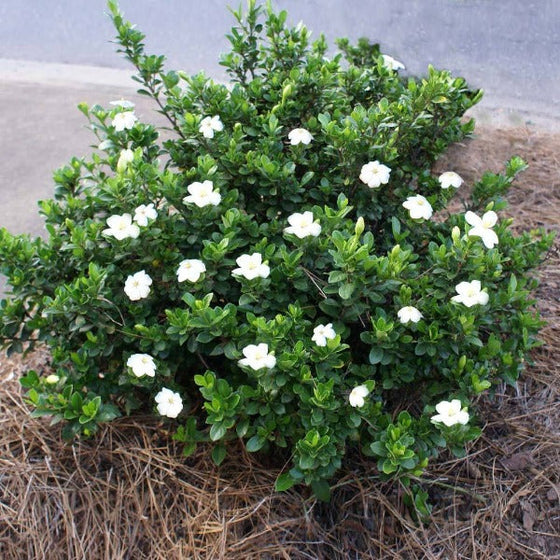
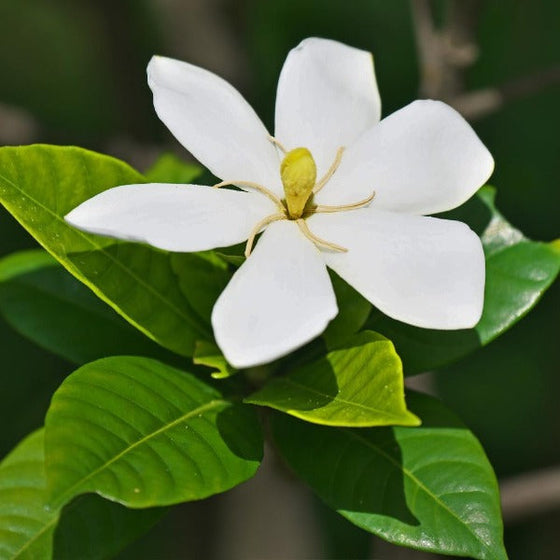
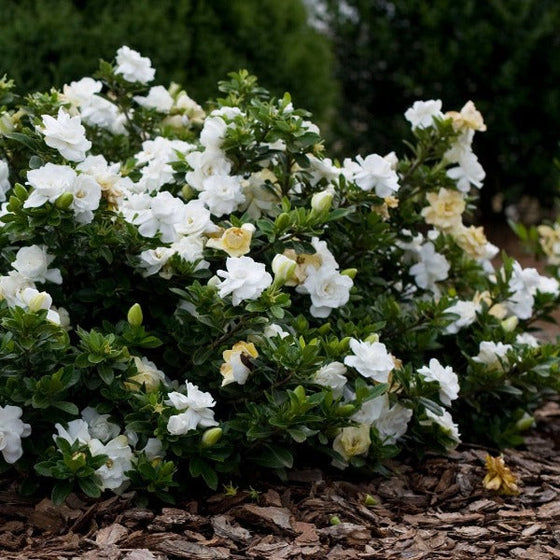
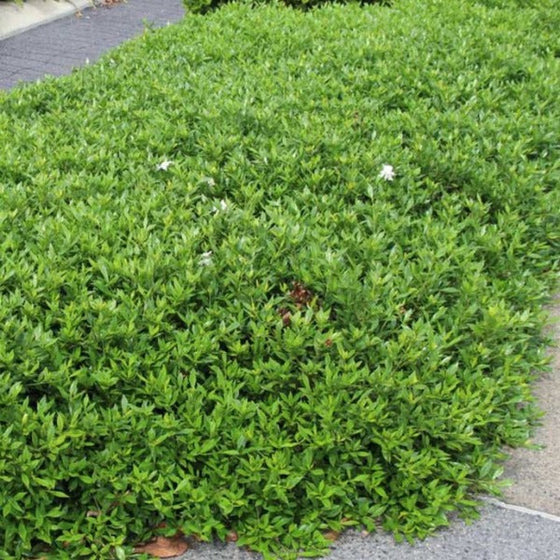


Images Depict Mature Plants
Dwarf Gardenia Radicans
Gardenia jasminoides 'Radicans'
Dwarf Gardenia Radicans is a really useful plant when you want true gardenia fragrance but need something lower and easier to fit into a real landscape. It works beautifully along bed edges and near patios, and the evergreen foliage keeps it looking clean and polished even when it is between bloom cycles.

20% OFF FOR EARTH DAY
Use Code EARTH20 At Checkout🌎
📦 Free shipping on orders over $99.
Delay shipping by leaving us a message at Checkout.
Share:Recommended Add-Ons



Low-Growing Gardenia Beauty with Fragrance You Can Enjoy Up Close
A compact gardenia that fits beautifully into smaller spaces
Dwarf Gardenia Radicans is a great choice for homeowners who love gardenias but do not need a large shrub to enjoy them. This variety stays low and spreading, which makes it much easier to use at the front of beds, along borders, and in spaces where a taller gardenia would feel too heavy. It brings the same classic evergreen richness and sweet gardenia fragrance, but in a more versatile, space-friendly form.
Fragrant white blooms make it especially rewarding near patios and walkways
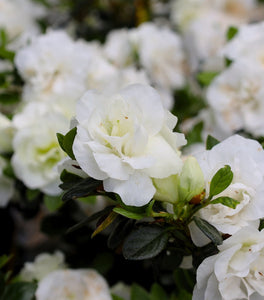
The blooms are one of the biggest reasons to plant Radicans. It produces creamy white, highly fragrant flowers that bring that unmistakable gardenia scent to the garden in late spring and summer. Because the plant stays low, it is especially effective near paths, patios, porches, and entry areas, where homeowners can appreciate the fragrance at close range rather than losing it in a larger background shrub.
Glossy evergreen foliage keeps the plant attractive even out of bloom
When it is not in flower, Dwarf Gardenia Radicans still earns its keep with dense, glossy green foliage that remains attractive year-round. That evergreen habit gives the landscape a finished, intentional look in every season and makes the plant useful beyond just a bloom-time accent. It adds softness and polish to the front of borders while helping tie evergreen beds together.
Excellent for edging, low borders, and containers
This is one of the most useful gardenias for placement at the front of the bed. Its low, creeping to mounded habit makes it ideal for edging foundation beds, softening the edge of walkways, filling raised beds, and spilling gently from decorative containers. It can also be massed in small groupings for homeowners who want a fragrant evergreen groundcover with a more refined look than many standard groundcover shrubs.
Best performance comes with acidic soil, moisture balance, and some winter awareness
Dwarf Gardenia Radicans performs best in acidic, organic-rich, well-drained soil with steady moisture during establishment. It grows in full sun to partial shade, though in hotter climates, some protection from intense afternoon sun can help foliage stay at its best. Deer resistance is often listed for gardenias, and Radicans in particular, but the safest language is to say it is relatively deer-resistant rather than completely deer-proof. It is also less cold hardy than some larger hardy gardenia selections, so siting matters in the cooler part of its range.

| Hardiness Zone: | 7-10 |
|---|---|
| Mature Height: | 6 to 12 Inches |
| Mature Width: | 2 to 4 Feet |
| Sunlight: | Full sun to partial shade |
| Soil | Acidic, organic-rich, well-drained soil |
| Water | Keep evenly moist during establishment; avoid soggy soil |
| Bloom Time / Color | Late spring through summer; fragrant white double blooms |
| Ornamental Features | Low spreading habit, glossy dark green foliage, highly fragrant white flowers |
| Wildlife Value | Attracts pollinators |
| Resistance (deer/disease/drought/etc.) | Relatively deer resistant; sensitive to poorly drained soil; less cold hardy than some upright hardy gardenias |
| Landscape Uses | Border edging, foundation fronts, containers, raised beds, fragrant groundcover plantings, patio gardens |
How to Care for Dwarf Gardenia Radicans
When purchasing your Dwarf Gardenia Radicans, be sure to read the recommended care instructions for a happy and thriving plant.
-v1745240034537.png?92x91)
How should I plant Dwarf Gardenia Radicans?
Plant Dwarf Gardenia Radicans in full sun to partial shade in acidic, well-drained soil enriched with organic matter. Dig a hole about twice as wide as the root ball and no deeper than the root ball itself, then set the plant so the top of the root ball sits level with or slightly above the surrounding soil. Backfill with the native soil, water deeply, and apply mulch around the base to help conserve moisture and moderate soil temperature. If you are using Radicans as edging or a low evergreen border, give each plant room to spread naturally so the habit stays soft and attractive rather than crowded.

How often should I water Dwarf Gardenia Radicans after planting?
Water Dwarf Gardenia Radicans deeply right after planting, then keep the soil evenly moist during the first growing season while the roots establish. In most landscapes, that means watering about once or twice per week depending on rainfall, drainage, and summer heat. Once established, this dwarf gardenia still prefers steady moisture, especially during active growth and bloom production, but it should not stay soggy. Container-grown plants and plants in fast-draining beds may need more frequent checking during hot weather.

When should I fertilize Dwarf Gardenia Radicans?
Fertilize Dwarf Gardenia Radicans in spring after the danger of frost has passed, using a fertilizer formulated for acid-loving plants. This helps support healthy foliage, flower production, and the deep green color that makes gardenias look their best. A light feeding during the growing season may also help if the plant needs a boost, but avoid overfertilizing. Too much fertilizer can create stress and weak growth, especially late in the season when the plant should be slowing down.

When and how should I prune Dwarf Gardenia Radicans?
Prune Dwarf Gardenia Radicans after flowering if shaping is needed. Gardenias set future flower buds after the main bloom period, so pruning too late can reduce the following season’s flowers. Most homeowners only need light shaping and the removal of dead or damaged stems. Because this is a naturally low-growing, spreading gardenia, it usually looks best when the soft, mounded habit is preserved instead of cut back too hard.