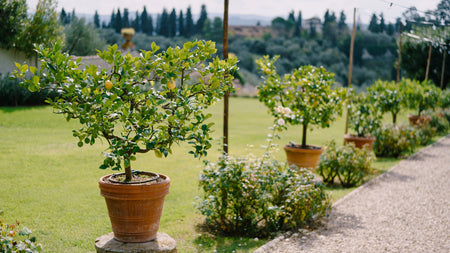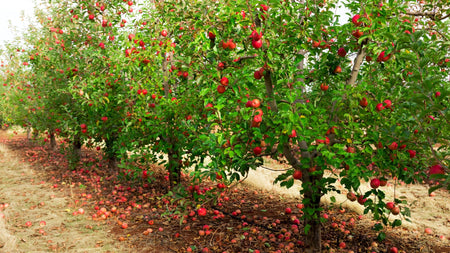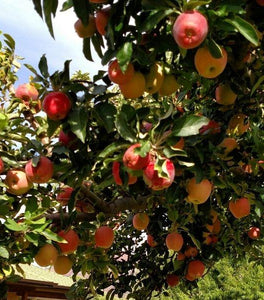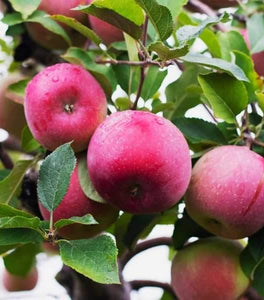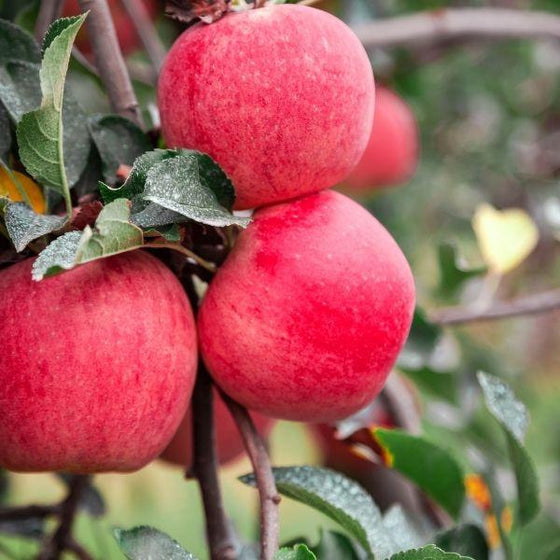
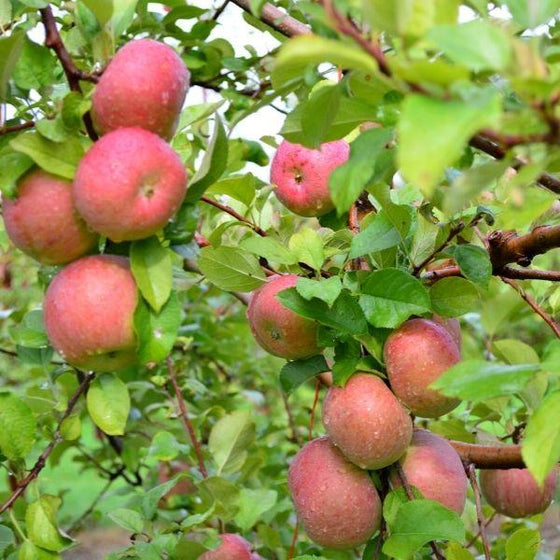
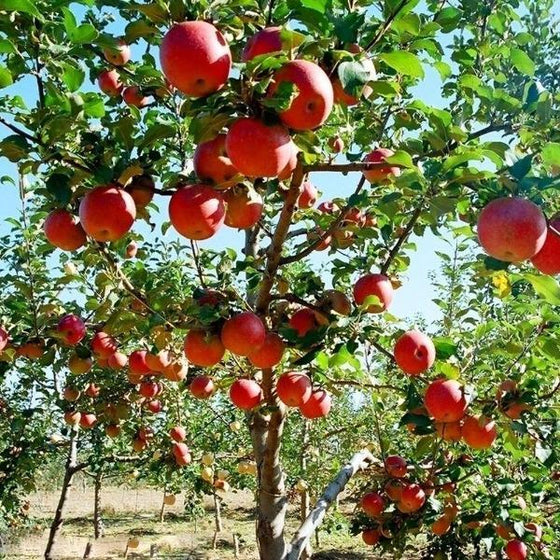
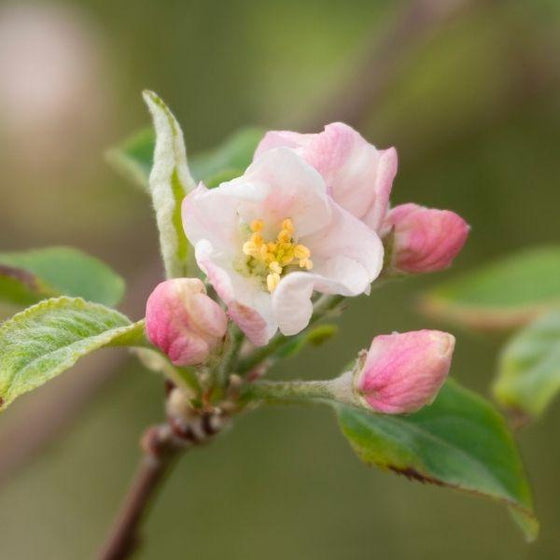


Images Depict Mature Plants
Fuji Apple Tree
Malus 'Fuji'
Fuji Apple Tree is a smart choice for homeowners who want a fruit tree that really delivers on flavor. The apples are sweet, crisp, and genuinely enjoyable right off the tree, but what makes Fuji especially appealing is that it also brings the kind of spring bloom and classic orchard character that earns its place in the landscape. Add a good pollination partner nearby, and this becomes the kind of tree that gives you beauty in spring and a harvest worth looking forward to in fall.

15% OFF WITH CODE PLANTING15
Save 15% Off Your Entire Order! Limited time.
📦 Free shipping on orders over $99.
Delay shipping by leaving us a message at Checkout.
Share:


Sweet Harvests with Four-Season Appeal
A classic apple for fresh eating and home orchards
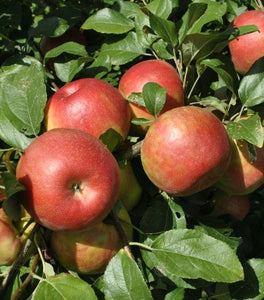
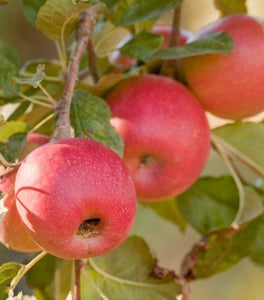
Fuji Apple Tree is a standout choice for homeowners who want that classic, sweet, crisp apple flavor straight from the backyard. Known for producing attractive blush-toned fruit with dense, juicy flesh, this tree brings orchard-quality harvests home in a way that feels both practical and rewarding.
This is the kind of fruit tree that turns a sunny space into something more useful and more beautiful. It offers the satisfaction of growing your own food while also creating a traditional, garden-worthy focal point with spring flowers, glossy foliage, and colorful fall fruit.
Sweet flavor that keeps you reaching for another apple
Fuji apples are especially valued for their high sugar content, satisfying crunch, and all-purpose kitchen appeal. They are excellent for eating fresh, slicing into salads, packing into lunches, and keeping on hand for seasonal baking. Their texture and sweetness make them one of the most appealing apples for everyday use.
For homeowners planning an edible landscape, Fuji delivers the kind of fruit that feels genuinely worth growing. The harvest is not just decorative or occasional. It is flavorful, useful, and enjoyable enough to become a seasonal favorite year after year.
A beautiful spring-blooming tree with ornamental value
Before the fruit arrives, the Fuji Apple Tree earns its place in the landscape with a fresh flush of spring bloom and a pleasing branching habit. Its spreading, umbrella-shaped canopy gives it a softer, more traditional orchard look than many rigid ornamental trees, helping it feel at home in both formal and casual garden settings.
That combination of blossom and fruit seasons gives Fuji strong ornamental value beyond its edible benefits. It can work beautifully in a backyard orchard, a kitchen garden, a lawn planting, or even as part of a mixed edible border where beauty and productivity matter equally.
Better harvests with the right pollination partner
Fuji Apple Tree performs best when planted near another compatible apple variety that blooms around the same time. Adding a pollination partner helps improve fruit set and makes production more dependable, which is especially helpful for homeowners who want more consistent harvests instead of a tree that simply looks good in spring.
This also makes Fuji a smart anchor for a small backyard orchard plan. Pairing it with another apple tree creates a more productive edible garden while giving homeowners the added benefit of multiple harvest flavors, textures, and ripening windows.
A rewarding choice for sunny landscapes
Once established, the Fuji Apple Tree becomes a highly satisfying fruit tree for sunny sites with well-drained soil. Its manageable size makes it approachable for home landscapes, while its combination of spring flowers, attractive fruit, and reliable seasonal interest gives it a broader appeal than many purely utilitarian fruit trees.
For homeowners who want one tree that brings beauty, harvest value, and classic orchard character, Fuji is an easy tree to appreciate. It feels generous in every season, from bloom to fruit to the simple pleasure of picking crisp apples at home.
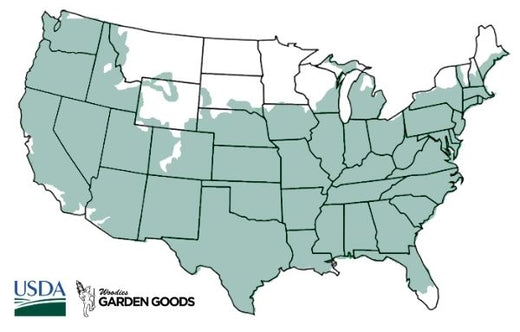
| Hardiness Zone: | 5-9 |
|---|---|
| Mature Height: | 15 to 20 feet |
| Mature Width: | 12 to 15 feet |
| Sunlight: | Full sun |
| Bloom Time / Color | Spring / white to soft pink-tinted apple blossoms |
| Fruit Time / Color | Early October to mid-November / pink-red blush over yellow |
| Taste / Fruit Use | Very sweet, crisp, juicy; excellent for fresh eating, salads, and baking |
| Soil Condition: | Any well drained soil |
| Water Requirement: | Moderate; water deeply during establishment and during dry spells |
| Ornamental Features | Spring bloom, spreading umbrella-shaped canopy, attractive colorful fruit |
| Pollination | Not reliably self-pollinating; best with another compatible apple tree nearby |
| Wildlife Value | Spring blossoms can support pollinators; fruit may attract wildlife if left on tree |
| Resistance (disease/drought/etc.) | Best performance with good airflow, full sun, and consistent care; moderate adaptability once established |
| Landscape Uses | Backyard orchards, edible landscapes, kitchen gardens, specimen planting, sunny lawn or garden focal point |
How to Care for Fuji Apple Tree
Before you buy a Fuji Apple Tree, make sure to read about the recommended care instructions to keep this plant healthy and thriving.

How should I plant Fuji Apple Tree?
Plant Fuji Apple Tree in a full-sun location with well-drained soil and enough space for its mature canopy to spread. Dig a hole about twice as wide as the root ball but no deeper than the root flare, then set the tree so it sits at the same level it was growing in the nursery container. Backfill with the native soil, firm it gently, and water deeply to settle the roots in place. Choose a site with good air circulation and room for a compatible pollinator nearby if you want stronger fruit production. A 2–3 inch layer of mulch around the root zone helps preserve moisture and reduce weed pressure, but keep mulch pulled back from the trunk so the base stays dry and healthy.

How often should I water Fuji Apple Tree after planting?
Fuji Apple Tree should be watered deeply and consistently during its establishment period, especially through the first growing season. Right after planting, soak the root zone thoroughly, then continue watering often enough to keep the soil evenly moist but not waterlogged. The goal is to encourage deep rooting rather than frequent shallow watering. As the tree settles in, reduce frequency and water more deeply when the top few inches of soil begin to dry. During hot weather, prolonged dry stretches, and fruit development, pay close attention so the tree does not become stressed. Consistent moisture helps support stronger growth, better flowering, and more satisfying fruit quality.
-v1775571223818.png?90x89)
When should I fertilize Fuji Apple Tree?
Fertilize Fuji Apple Tree in early spring as new growth begins, using a balanced fertilizer suited to fruit trees. This timing supports fresh canopy growth, flowering energy, and overall vigor without forcing overly soft growth late in the season. Young trees especially benefit from light, steady feeding rather than heavy applications. Avoid overfertilizing, since too much nitrogen can encourage leafy growth at the expense of fruiting. Once your tree is established, fertilizing should be guided by growth performance, soil quality, and overall plant health. A compost-enriched mulch ring and healthy soil structure also go a long way toward supporting long-term orchard success.

When and how should I prune Fuji Apple Tree?
Prune Fuji Apple Tree in late winter while the tree is dormant and before spring growth begins. This is the best time to shape the canopy, remove damaged or crossing branches, and improve air circulation through the center of the tree. A well-pruned apple tree is easier to maintain, easier to harvest, and better prepared for healthy fruit production. Focus on keeping a strong framework of well-spaced branches and opening the canopy enough to allow sunlight to reach developing fruit. Remove weak growth, inward-growing stems, and any branches that crowd the center. Regular annual pruning helps maintain size, improves fruit quality, and keeps the tree looking tidy and productive in the landscape.