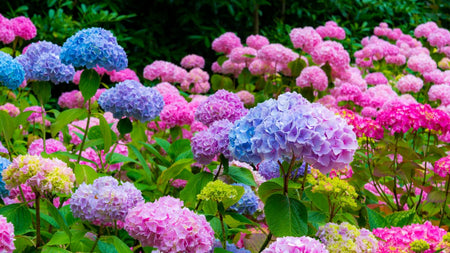
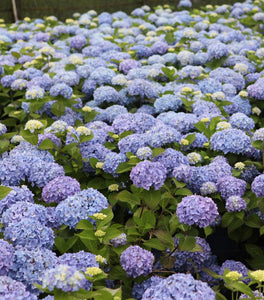
Images Depict Mature Plants
First Editions® Eclipse™ Hydrangea
Hydrangea macrophylla ‘Eclipse'
Eclipse is one of those hydrangeas that really changes the look of a planting because the foliage does so much of the work. I like it because the dark leaves are dramatic from the start, and then the cranberry or amethyst blooms take it even further. It is a great choice for homeowners who want something bold, different, and easy to notice in a smaller garden space.

Save Up to 25% On Your Order! Limited Time Only!
Discount Applied Automatically At Checkout
📦 Free shipping on orders over $99.
Delay shipping by leaving us a message at Checkout.
Share:


Dramatic Dark Foliage and Bold Mophead Blooms
A Hydrangea That Stands Out Before It Even Flowers
First Editions® Eclipse™ Hydrangea is one of the most striking hydrangeas for homeowners who want something truly different in the landscape. Its intense dark purple foliage is the feature that sets it apart right away, giving the plant a dramatic look long before the mophead blooms begin to open. Instead of blending in with standard green-leaved hydrangeas, Eclipse brings real contrast and depth from the start of the season.
That foliage color is one of the biggest reasons this variety is so appealing. It stays rich and dark through the growing season, even in warmer conditions, which gives the shrub strong ornamental value long after many flowering plants have settled into the background. For homeowners who want a hydrangea that feels bold and distinctive, Eclipse is an exceptional choice.
Cranberry or Amethyst Blooms Add Even More Contrast
When Eclipse comes into bloom, the flowers create an equally dramatic display. The mophead blooms develop in shades of cranberry or amethyst, depending on soil pH, providing homeowners with natural color variation while still preserving the strong contrast against the dark foliage. That combination of deep leaves and jewel-toned flowers makes the plant feel rich, layered, and memorable in the landscape.
This bloom effect is especially strong in patio plantings, foundation beds, and smaller focal-point spaces where the foliage and flower color can be appreciated up close. It is a hydrangea that brings more than one ornamental moment, which makes it especially rewarding in residential gardens.
A Compact Bigleaf Hydrangea for Smaller Landscapes
Eclipse Hydrangea is especially useful because it stays in a manageable size range. It is large enough to function as a true focal-point shrub, but still compact enough for foundation corners, mixed borders, patio-adjacent beds, and decorative containers. That makes it a smart fit for homeowners who want a dramatic hydrangea without needing the space required for a much larger shrub.
Its rounded habit also makes it easy to work into more structured landscape designs. Whether used as a specimen, a repeated accent, or part of a small garden composition, it offers enough presence to stand out without overwhelming the surrounding planting.
A Great Choice for Decorative Containers and High-Impact Beds
One of the strongest uses for Eclipse Hydrangea is in high-visibility garden spaces. Because the foliage is so unusual, it performs beautifully in decorative containers, courtyard gardens, entry plantings, and patio borders where the color can be appreciated at close range. It also works well in mixed shrub beds where the dark foliage can contrast with chartreuse, silver, or lighter green companion plants.
This is the kind of shrub that helps a planting feel intentional and elevated. It does not need much surrounding color to make an impression because the foliage already carries so much visual weight. For homeowners who want a hydrangea that serves as a real design feature, Eclipse is a strong choice.
Easy-Care Beauty With the Right Placement
First Editions® Eclipse™ Hydrangea performs best in part shade to filtered sun, especially in warmer climates, where protection from the harshest afternoon sun helps preserve leaf quality. It appreciates consistent moisture and well-drained soil, and once established it becomes a dependable ornamental shrub with strong garden presence.
For homeowners who want a compact hydrangea with unforgettable dark foliage, bold mophead blooms, and strong ornamental value from spring through summer, First Editions® Eclipse™ Hydrangea is one of the most exciting options available.
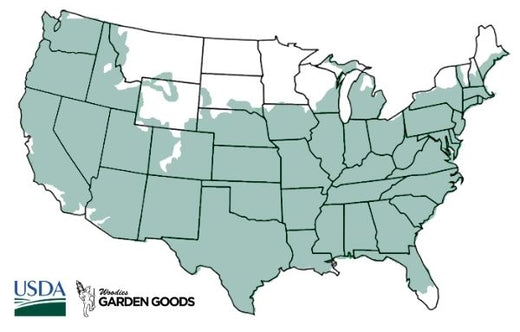
| Hardiness Zone: | 5-9 |
|---|---|
| Mature Height: | 3 to 5 feet |
| Mature Width: | 3 to 5 feet |
| Sunlight: | Part shade to filtered sun; can take more sun in cooler climates |
| Bloom Time / Color: | Summer; cranberry in more alkaline soil, amethyst in more acidic soil |
| Soil Condition: | Well-drained, consistently moist soil |
| Water Requirements: | Regular moisture during establishment; keep evenly moist but not soggy |
| Ornamental Features: | Dark purple foliage, mophead blooms, compact rounded habit, strong color contrast |
| Wildlife Value: | Primarily ornamental landscape value with some pollinator interest |
| Resistance: | Good disease resistance, including strong mildew resistance |
| Landscape Uses: | Specimen shrub, patio container, foundation accent, mixed border, focal-point planting |
How to Care for First Editions® Eclipse™ Hydrangea
Be sure to read our planting instructions to ensure a healthy and happy First Editions® Eclipse™ Hydrangea, Eclipse Bigleaf Hydrangea plant for years to come!

How should I plant First Editions® Eclipse™ Hydrangea?
Plant Eclipse Hydrangea in well-drained soil where it has room to develop its compact rounded shape. Dig a hole two to three times as wide as the root ball but no deeper than the root ball itself, and set the shrub so the top of the root ball sits level with or slightly above the surrounding soil. Choose a location with part shade or filtered sun, especially in warmer climates. This hydrangea works especially well in patio planters, front-entry beds, foundation corners, and smaller focal-point garden spaces. It is best placed where the foliage and blooms can be enjoyed up close and where harsh afternoon exposure will not wash out the best ornamental quality.

How often should I water First Editions® Eclipse™ Hydrangea after planting?
Water deeply right after planting and keep the soil evenly moist during the first growing season. Deep watering is more effective than frequent shallow watering because it encourages stronger root development and helps the shrub establish more successfully. Once established, Eclipse still prefers steady moisture and should not be allowed to dry out for long stretches, especially during hot weather. Mulch helps regulate temperature and retain moisture, which supports stronger foliage and bloom performance.

When should I fertilize First Editions® Eclipse™ Hydrangea?
Eclipse Hydrangea usually does not need heavy feeding. A light application of balanced slow-release fertilizer in early spring is usually enough if the plant appears to need support. In many landscapes, good moisture and appropriate light are more important than frequent fertilization. Too much fertilizer can encourage overly soft growth at the expense of balanced flowering and dense habit. A moderate approach is generally best for a hydrangea grown mainly for foliage and bloom display.

When and how should I prune First Editions® Eclipse™ Hydrangea?
Eclipse Hydrangea usually needs only light pruning. Remove dead, damaged, or awkward stems and preserve the plant’s natural rounded form rather than cutting it back too hard. If shaping is needed, prune lightly in early spring and avoid overly aggressive pruning. The goal is to keep the shrub balanced and attractive while preserving the strongest possible bloom and foliage display.