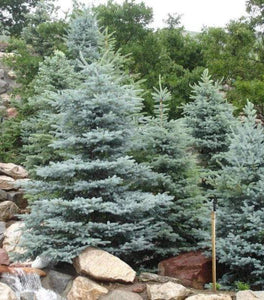
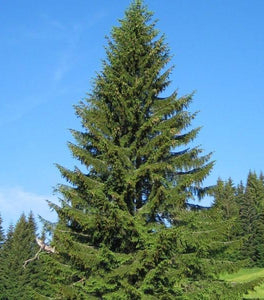
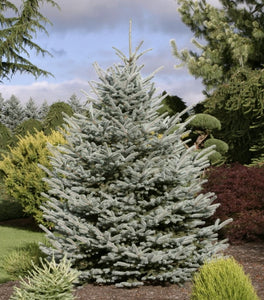
Images Depict Mature Plants
Dwarf Alberta Spruce
Picea glauca conica
Dwarf Alberta Spruce is one of those evergreens that brings instant structure without demanding much imagination from the homeowner. It already has that neat, formal look people want near front doors, in containers, or at the edge of a foundation bed. The dense green foliage and naturally symmetrical shape make it a really easy way to add year-round polish to smaller spaces.

15% OFF WITH CODE PLANTING15
Save 15% Off Your Entire Order! Limited time.
📦 Free shipping on orders over $99.
Delay shipping by leaving us a message at Checkout.
Share:


A Classic Compact Evergreen for Formal Structure
A Naturally Symmetrical Evergreen with Timeless Appeal
Dwarf Alberta Spruce is one of the most recognizable compact evergreens in the landscape, prized for its naturally dense, cone-shaped form and clean, formal appearance. Its refined silhouette makes it an easy choice for homeowners who want a plant that looks polished year-round without needing constant clipping or correction.
This is the kind of evergreen that instantly adds order to a planting. Whether placed near an entry, tucked into a foundation bed, or used in pairs for symmetry, it gives the landscape a more finished and intentional look.
Dense Green Foliage in a Manageable Size
One of the biggest reasons gardeners choose Dwarf Alberta Spruce is its compact habit. It grows slowly and has a dense covering of soft, bright green needles, allowing it to maintain an evergreen structure without overwhelming smaller spaces too quickly.
That slower pace is part of its value. It gives homeowners a strong evergreen accent that stays useful in tighter landscapes, container plantings, and front-yard designs where a larger conifer would quickly outgrow its place.
Perfect for Entryways, Foundations, and Containers
Dwarf Alberta Spruce is especially effective where the landscape needs a tidy focal point or vertical accent. It works beautifully in formal entry plantings, at the corners of foundation beds, and in containers where its miniature evergreen-tree look can be appreciated at close range.
Its naturally narrow, upright form makes it especially adaptable to smaller residential spaces. It adds structure and year-round color without demanding the square footage of a much larger screening evergreen.
A Favorite for Formal Gardens and Topiary-Like Effect
Because of its dense growth and naturally even habit, Dwarf Alberta Spruce is often chosen for formal landscapes and topiary-style use. Even when left untrimmed, it has the neat look of a carefully shaped evergreen, which is part of what makes it so widely loved.
That built-in formality gives it broad design value. It can support classic brick homes, cottage gardens with stronger structure, and more modern landscapes where clean shapes and dependable evergreen geometry matter.
Best in Cooler Conditions with Good Airflow
Dwarf Alberta Spruce performs best in full sun to part shade with well-drained soil and good air circulation. It is especially strong in cooler climates, where it holds its dense habit and fresh green color beautifully through the seasons.
For homeowners who want a compact evergreen with strong architectural form and year-round beauty, Dwarf Alberta Spruce is an excellent choice. It offers structure, elegance, and small-space versatility in one of the most useful dwarf conifers available.
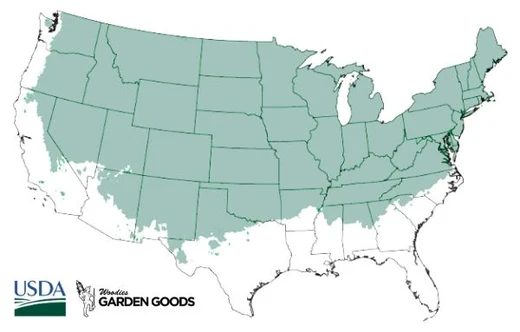
| Hardiness Zone: | 3-7 |
|---|---|
| Mature Height: | 10 to 13 Feet |
| Mature Width: | 7 to 10 Feet |
| Sunlight | Full sun to part shade |
| Soil | Well-drained, slightly acidic soil |
| Water | Moderate; water regularly during establishment |
| Bloom Time / Color | Conifer; grown for foliage |
| Ornamental Features | Dense cone-shaped habit, soft bright green needles, naturally symmetrical form |
| Wildlife Value | Provides evergreen cover and shelter |
| Resistance (deer/disease/drought/etc.) | Deer resistant; road salt tolerant; can be prone to spider mites in hot or stressed conditions |
| Landscape Uses | Foundation planting, container specimen, formal garden accent, entryway framing, topiary-style focal point |
How to Care for Dwarf Alberta Spruce
Before you buy a Dwarf Alberta Spruce Tree, make sure to read about the recommended care instructions to keep this plant healthy and thriving.

How should I plant Dwarf Alberta Spruce?
Plant Dwarf Alberta Spruce in a location with full sun to part shade and well-drained soil. Dig a hole about twice as wide as the root ball and no deeper than the root ball itself, then place the plant so the root flare sits at or slightly above the surrounding soil level. This helps the roots establish properly and reduces the chance of decline from planting too deeply. Backfill with native soil, water thoroughly, and mulch around the root zone to help conserve moisture and reduce weeds. Keep mulch a few inches away from the trunk or stems. If placing it near a structure or in a foundation bed, leave enough room for airflow so the foliage stays healthy and dense over time.

How often should I water Dwarf Alberta Spruce after planting?
Water Dwarf Alberta Spruce deeply right after planting, then continue watering regularly during the establishment period. In most landscapes, that means a deep soaking about once or twice per week depending on rainfall, temperature, and soil drainage. The goal is evenly moist soil while the root system develops. Once established, it still benefits from regular attention during hot, dry weather because its dense foliage can stress more quickly than larger open-branched evergreens. Deep watering is much better than frequent shallow watering because it encourages stronger roots and more resilient growth.

When should I fertilize Dwarf Alberta Spruce?
Fertilize Dwarf Alberta Spruce only if needed, especially if growth seems weak or the soil is poor. If feeding is necessary, early spring is generally the best time to apply a balanced slow-release fertilizer or compost that supports steady growth without forcing overly soft new foliage. Avoid overfeeding, especially if the plant is already healthy and dense. In many cases, proper siting, good drainage, and consistent watering matter more than aggressive fertilization. The goal is steady, compact growth and healthy foliage color.

When and how should I prune Dwarf Alberta Spruce?
Dwarf Alberta Spruce usually needs very little pruning because it naturally maintains a dense, cone-shaped form. If shaping or cleanup is needed, late winter or early spring is generally the best time to remove dead, damaged, or awkwardly placed growth. Pruning should be very light and selective. Because the natural habit is one of the plant’s strongest features, the goal is simply to refine the outline or correct minor issues rather than heavily reshape the plant.