Images Depict Mature Plants
Distylium Blue Cascade
Distylium 'PIIDIST-II' PP# 24409
Distylium Blue Cascade is a really smart evergreen when you want dependable year-round structure but do not want the planting to feel stiff or overly formal. The blue-green foliage has a calmer, cooler look than a lot of common evergreen shrubs, and the layered habit makes it easy to use in mixed beds without it feeling heavy.

15% OFF FOR MOTHER'S DAY
Use Code MOMDAY15 At Checkout
📦 Free shipping on orders over $99.
Delay shipping by leaving us a message at Checkout.
Share:


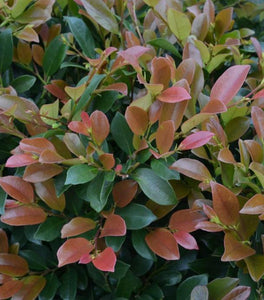
Matte blue-green foliage and a layered evergreen habit for year-round structure
An evergreen with a softer, more flowing look.
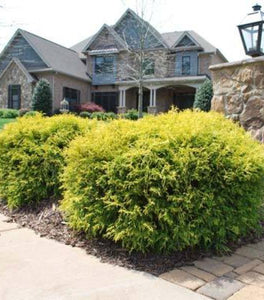
Distylium Blue Cascade stands out for its year-round evergreen presence without looking stiff or overly formal. Its matte blue-green foliage and cascading, layered branching create a full, textured appearance that feels more relaxed than a typical hedge shrub. That makes it especially useful when a planting needs structure but not a rigid look.
The foliage does the heavy lifting in the landscape.
This is a shrub grown mainly for its foliage and form. The leaves hold a rich bluish-green tone throughout the year, giving beds and borders lasting color even when little else is happening. In mixed plantings, that cooler foliage color helps create contrast with brighter greens, flowering perennials, and nearby warmer-toned shrubs.
Winter flowers add another layer of interest.
Distylium Blue Cascade also produces small reddish-maroon flowers from late January through March. The flowers are not the main show, but they do add subtle seasonal interest at a time when many evergreen shrubs are doing very little. That makes the plant feel a little more dynamic than a foliage-only foundation shrub.
A strong fit for foundations, borders, and mass plantings.
This shrub works especially well in foundation plantings, mixed borders, and grouped evergreen masses where its dense, spreading habit can really show. It has enough body to anchor a bed, but its layered form keeps it from feeling too heavy. It is also a useful companion for hydrangeas, summer-blooming perennials, and other plants that benefit from a steady evergreen backdrop.
Easy care is one of its biggest selling points.
Distylium Blue Cascade performs best in full sun to part sun and in any well-drained soil. Once established, it is notably heat and drought-tolerant and is also marketed as deer-resistant. Pruning after flowering in spring helps keep the shrub dense and refreshed, but in most landscapes, it requires very little to keep looking good.
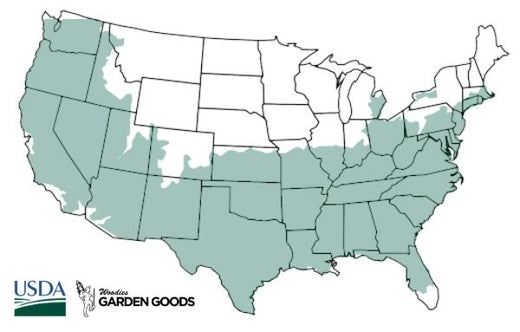
| Hardiness Zone: | 6-9 |
|---|---|
| Mature Height: | 3 to 4 feet |
| Mature Width: | 3 to 4 feet |
| Sunlight: | Full Sun to Part Sun |
| Soil | Any well-drained soil |
| Water | Moderate during establishment; drought tolerant once established |
| Bloom Time / Color | Late winter to early spring; reddish-maroon flowers |
| Foliage | Prune in spring after flowering |
| Ornamental Features | Blue-green evergreen foliage, layered cascading habit, winter flowers |
| Wildlife Value | Evergreen cover and seasonal garden structure |
| Resistance (deer/disease/drought/etc.) | Deer resistant, heat tolerant, drought tolerant once established |
| Landscape Uses | Mixed borders, foundation plantings, mass plantings, evergreen structure plantings |
How to Care for Distylium Blue Cascade
Be sure to read our planting instructions to ensure a healthy and happy Distylium Blue Cascade for years to come!
-v1777225307061.png?92x91)
How should I plant Distylium Blue Cascade?
Plant Distylium Blue Cascade in full sun to part sun in well-drained soil. Dig a hole about twice as wide as the root ball and no deeper than the root ball itself, then set the shrub level with the surrounding soil and backfill carefully. Water deeply after planting and add mulch around the root zone to help conserve moisture and reduce weed competition, but keep mulch a few inches away from the stems. Give Distylium Blue Cascade enough room to develop its layered, spreading form so the foliage can show well.
-v1777225331790.png?89x84)
How often should I water Distylium Blue Cascade after planting?
Water Distylium Blue Cascade deeply right after planting, then keep the soil evenly moist during the first growing season while it establishes. During warm weather, check the soil regularly and water when the upper layer begins to dry. Once established, Distylium Blue Cascade becomes much more drought tolerant and usually needs only occasional supplemental watering during extended dry periods. Good drainage remains important, since this shrub performs best when it is not forced to sit in wet soil.
-v1777225346367.png?90x89)
When should I fertilize Distylium Blue Cascade?
Fertilize Distylium Blue Cascade in spring as new growth begins, and a second light feeding in early summer can also be beneficial in lean soils. A balanced shrub fertilizer or compost is usually enough to support healthy growth. Avoid fertilizing late in the season in colder regions. In most home landscapes, moderate feeding is plenty, and over-fertilizing is more likely to create problems than improve performance.

When and how should I prune Distylium Blue Cascade?
Prune Distylium Blue Cascade in spring after flowering if shaping is needed. Light pruning helps keep the plant dense and encourages fresh new growth without disrupting the natural layered look that makes it appealing. Because the shrub already has a full, densely branched habit, heavy shearing is rarely necessary. Selective shaping usually gives the best result and helps preserve the plant’s softer cascading form.
+