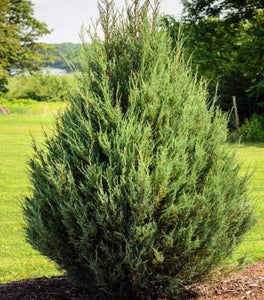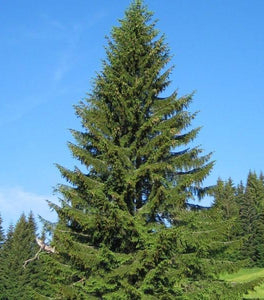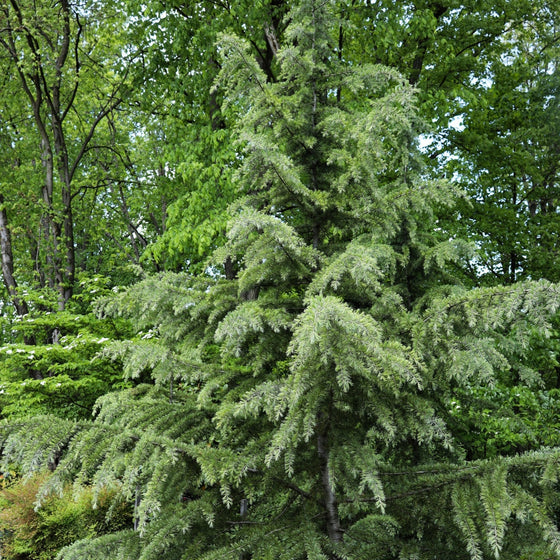
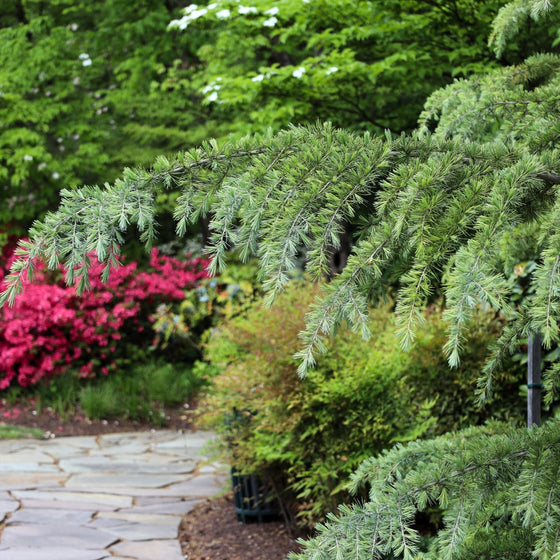
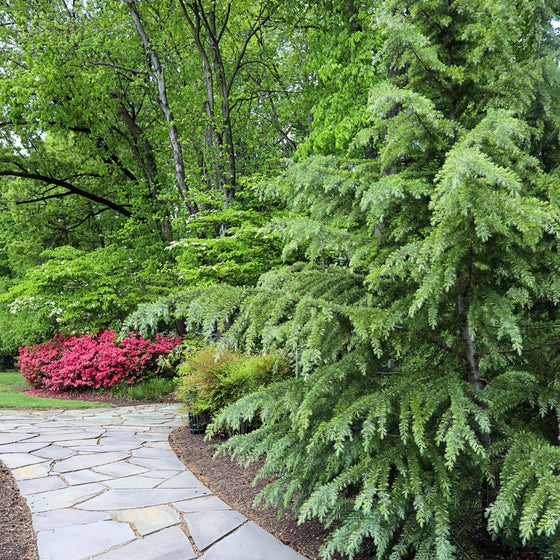
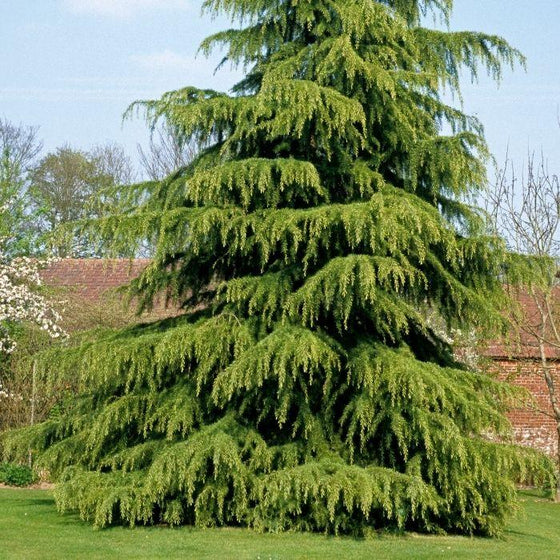


Images Depict Mature Plants
Deodar Cedar
Cedrus deodara
Deodar Cedar is one of those evergreens that brings a lot of presence without feeling stiff or heavy. The gray-green foliage and drooping branch tips give it a graceful look that stands out from more ordinary conifers, and once it settles in, it becomes a strong long-term anchor for a property. For homeowners with enough room to let it develop, this is a really rewarding tree that keeps getting better with age.

15% OFF WITH CODE PLANTING15
Save 15% Off Your Entire Order! Limited time.
📦 Free shipping on orders over $99.
Delay shipping by leaving us a message at Checkout.
Share:


A Graceful Evergreen with Lasting Landscape Presence
A Distinctive Cedar with Soft, Elegant Form
Deodar Cedar is one of the most graceful evergreen trees used in the landscape. Its broad, pyramidal shape when young, paired with gently drooping branch tips, gives it a softer, more refined look than many other large conifers, making it an excellent choice for homeowners who want an evergreen with movement and character.
This is a tree that brings both structure and style. It holds its own as a focal point, with a more relaxed, elegant silhouette that feels timeless rather than rigid.
Gray-Green Foliage for Year-Round Color
The needles of Deodar Cedar range from gray-green to blue-green, keeping the tree attractive in every season. That cool evergreen color works especially well against lawns, brick, stone, darker green shrubs, and mixed conifer plantings where subtle contrast helps create a richer landscape palette.
Because the color is softer than the heavy dark green seen in some evergreens, Deodar Cedar feels especially useful in designs that aim for layered texture and a more natural, elevated look. It adds visual interest without feeling harsh or overly dense.
A Large Evergreen Best Used as a Specimen
Deodar Cedar is best given enough room to develop into the broad, impressive tree it is meant to become. As it matures, it forms a substantial canopy with wide-spreading branches and a strong central framework, making it a natural fit for larger landscapes, open lawns, and estate-style plantings.
This mature form is part of its value. It is not simply an evergreen for background use, but a tree that can define a space, anchor a property, or serve as a long-term focal point with true presence.
A Tough Tree for Sunny, Well-Drained Sites
Beyond its beauty, Deodar Cedar is also a practical landscape tree. It performs best in full sun and well-drained soil, and once established, it becomes more drought-tolerant and adaptable than many homeowners expect from a tree this elegant.
It is also generally considered deer-resistant, which adds to its value in landscapes where browsing pressure makes plant selection more difficult. That combination of durability and ornamental appeal makes it especially useful in larger residential settings where the tree needs to look impressive but also hold up well.
A Smart Choice for Long-Term Landscape Impact
Deodar Cedar is a tree for gardeners and homeowners thinking beyond the next season. It brings year-round evergreen presence immediately, but its real value grows over time as the branching expands and the tree becomes more sculptural and established in the landscape.
For anyone looking to plant a large evergreen with graceful form, distinctive foliage, and lasting architectural impact, Deodar Cedar is an excellent choice. It gives a property a more settled, intentional feel and continues to reward the landscape year after year.
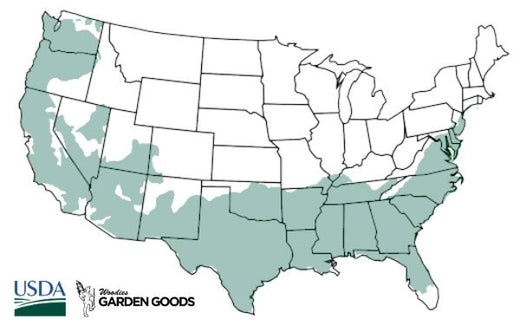
| Hardiness Zone: | 7-9 |
|---|---|
| Mature Height: | 40 to 50 feet |
| Mature Width: | 30 to 40 feet |
| Sunlight: | Full Sun |
| Soil: | Well-drained soil; adaptable to many soils with good drainage |
| Water | Moderate during establishment; drought tolerant once established |
| Bloom Time / Color | Non-flowering conifer; grown for foliage |
| Ornamental Features | Gray-green evergreen needles, graceful pendulous branch tips, broad pyramidal habit when young |
| Wildlife Value | Provides cover for birds |
| Resistance (deer/disease/drought/etc.) | Deer resistant; drought tolerant once established |
| Landscape Uses | Specimen tree, large landscape focal point, estate planting, evergreen anchor, broad screening tree |
How to Care for Deodar Cedar
Be sure to read about the recommended care instructions to keep your Deodar Cedar healthy and thriving for years to come!

How should I plant Deodar Cedar?
Plant Deodar Cedar in a full sun location with well-drained soil and enough room for the tree to mature into its broad natural form. Dig a hole about twice as wide as the root ball and no deeper than the root ball itself, then set the tree so the top of the root ball sits level with the surrounding soil. Backfill with native soil, water deeply, and apply mulch around the root zone to help conserve moisture and reduce weed competition. Keep mulch away from the trunk. Because this tree becomes large and wide over time, it is best planted where it can develop without crowding nearby structures or smaller landscape plants.

How often should I water Deodar Cedar after planting?
Water Deodar Cedar deeply right after planting, then continue watering regularly during the establishment period. In most landscapes, that means a deep soaking about once or twice per week, depending on rainfall, heat, and soil type. The goal is to keep the root zone evenly moist while the tree develops a strong root system. Once established, Deodar Cedar becomes much more drought-tolerant and generally needs supplemental water only during extended dry periods. Deep watering is more effective than frequent shallow watering because it encourages stronger roots and better long-term performance.

When should I fertilize Deodar Cedar?
Fertilize Deodar Cedar in early spring if needed, especially in poorer soils or where growth appears weak. A balanced slow-release fertilizer for evergreen trees is usually sufficient, and many landscapes can also benefit from a light topdressing of compost around the root zone. Avoid overfeeding with rich, high-nitrogen fertilizer. Too much fertilizer can push overly soft growth and is usually unnecessary for a cedar that performs well with proper siting, sun exposure, and drainage. In most cases, consistent watering during establishment matters more than aggressive feeding.

When and how should I prune Deodar Cedar?
Deodar Cedar generally needs very little pruning beyond occasional structural cleanup. Remove dead, damaged, or awkward branches in late winter or early spring, before active growth begins, and keep shaping the tree so it can retain its naturally graceful habit. Avoid heavy shearing or aggressive cutbacks. Much of the beauty of Deodar Cedar comes from its pendulous branching and broad architectural form, so pruning should focus on preserving that natural character rather than forcing the tree into a tighter outline.