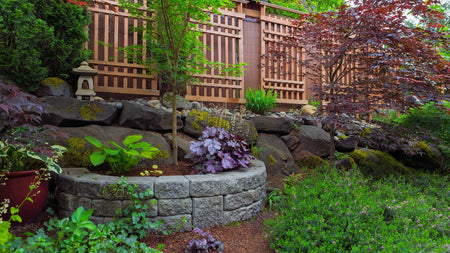
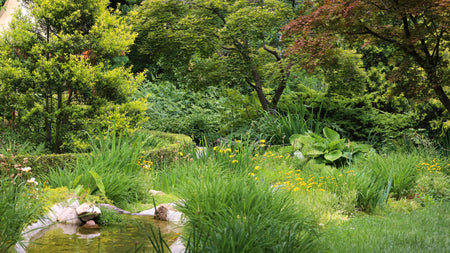
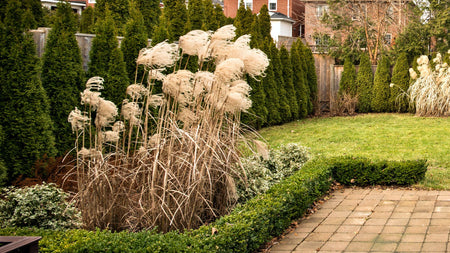
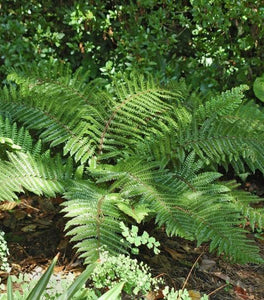
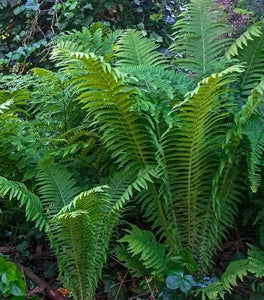
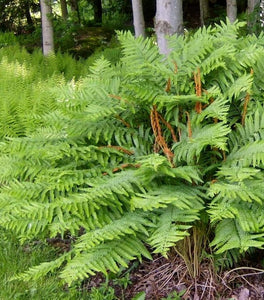
Images Depict Mature Plants
Christmas Fern
Polystichum acrostichoides
Christmas Fern is one of the most dependable native ferns for adding evergreen texture to shade. The glossy dark green fronds look clean and natural, and the plant stays in a tidy clump instead of running through the bed. I especially like it on shaded slopes, under trees, and in woodland borders with hostas, hellebores, heuchera, foamflower, bleeding hearts, and native spring wildflowers, where it keeps the garden looking full even after spring bloom has passed.

15% OFF FOR MOTHER'S DAY
Use Code MOMDAY15 At Checkout
📦 Free shipping on orders over $99.
Delay shipping by leaving us a message at Checkout.
Share:

Native Evergreen Texture for Woodland Shade Gardens
Glossy green fronds with year-round shade appeal.
Christmas Fern produces leathery, glossy dark green fronds that bring dependable texture to shaded gardens throughout the growing season and into winter. The evergreen foliage often remains green around the holidays, which is one reason this native fern earned its common name. Use Christmas Fern where homeowners want a polished woodland look under trees, along shaded walkways, near foundations, or in low-maintenance shade beds that need structure beyond spring and summer flowers.
A native fern for woodland gardens and shaded slopes.
Polystichum acrostichoides is native to much of eastern North America and naturally occurs on wooded slopes, moist banks, ravines, rocky woods, and forested edges. In the landscape, it performs well in part shade to full shade with humusy, well-drained soil, and it is more adaptable than many moisture-demanding ferns. It is especially useful for shaded slopes, under-tree plantings, woodland borders, and naturalized beds where its roots and evergreen foliage help stabilize and soften the soil surface.
A tidy clumping fern that stays manageable.
Christmas Fern grows in a fountain-like clump rather than racing aggressively through the garden. Over time, mature clumps slowly increase in size, but they do not spread like Ostrich Fern or other colony-forming ferns. This makes Christmas Fern easier to use in smaller shaded beds, mixed perennial borders, foundation plantings, and formal woodland designs where homeowners want fern texture without giving up control of the planting.
Deer-resistant foliage with low-maintenance appeal.
Christmas Fern is commonly considered deer-resistant and rabbit-resistant, making it a practical foliage plant for shaded landscapes where browsing can be frustrating. Once established, it is a tough, low-maintenance fern that handles average shade-garden conditions well. It prefers consistent moisture and organic soil, but it can tolerate somewhat drier shaded sites better than many ferns, especially once its roots are established.
Beautiful with shade perennials and native plantings.
Christmas Fern pairs beautifully with hostas, heuchera, hellebores, astilbe, bleeding hearts, foamflower, carex, columbine, Virginia bluebells, woodland phlox, and other shade-loving perennials. Its evergreen fronds provide a steady backdrop for spring flowers and colorful foliage plants, while its clean clumping habit makes it easy to repeat through a bed. Plant it in groups for a stronger evergreen effect, or use it as a quiet textural accent in native and woodland garden designs.
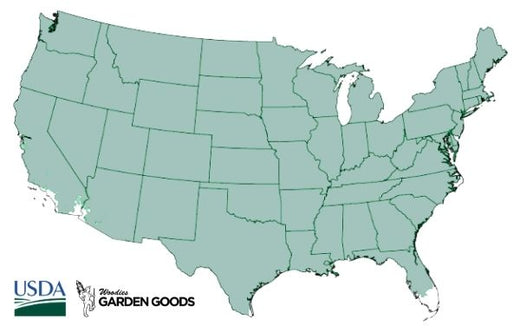
| Hardiness Zone | 3-9 |
|---|---|
| Mature Height: | 1 to 2 Feet |
| Mature Width: | 1 to 2 Feet |
| Sunlight: | Part shade to full shade; tolerates some morning sun with adequate moisture |
| Soil | Humusy, organically rich, well-drained soil; adapts to average woodland soils |
| Water | Water regularly after planting; prefers even moisture but can tolerate some dry shade once established |
| Bloom Time / Color | Ferns do not flower; grown for glossy dark green evergreen fronds |
| Foliage: | Evergreen to semi-evergreen; fronds often remain green through winter, especially in protected sites, Leathery, lance-shaped, glossy dark green fronds with silvery scaled fiddleheads in spring |
| Ornamental Features | Evergreen fronds, fountain-like clump, native woodland texture, winter interest, erosion-control value |
| Wildlife Value | Provides shade-garden texture and habitat structure; not a nectar or fruit plant |
| Resistance | Deer resistant and rabbit resistant in many landscapes; shade tolerant; adaptable to moist or moderately dry shade |
| Landscape Uses | Woodland gardens, shade borders, shaded slopes, erosion control areas, foundation beds, under-tree plantings, shaded walkways, naturalized plantings, and native gardens |
How to Care for Christmas Fern
Before you buy a Christmas Fern Plant, make sure to read about the care instructions that are recommended to keep this plant healthy and thriving.

How should I plant Christmas Fern?
Plant Christmas Fern in part shade to full shade with humusy, well-drained soil. A woodland bed, shaded slope, foundation planting, or protected area beneath open-canopy trees is ideal. Dig a hole about twice as wide as the root ball and set the crown level with the surrounding soil. Backfill, water deeply, and space plants about 18 to 24 inches apart so the clumps have room to mature while still creating a full shade-garden display.

How often should I water Christmas Fern after planting?
Water Christmas Fern regularly during the first growing season while the roots establish. Keep the soil evenly moist, especially during warm weather, dry spells, or the first several weeks after planting. Once established, Christmas Fern can tolerate some dry shade better than many ferns, but it still looks best with consistent moisture. Avoid soggy, poorly drained soil, especially in winter, because crown rot can develop in wet conditions.

When should I fertilize Christmas Fern?
Fertilize Christmas Fern lightly in spring with compost, leaf mold, or a gentle organic fertilizer if the soil is poor. Rich organic matter helps mimic woodland soil conditions and supports strong evergreen fronds. Avoid heavy fertilizer applications, which are usually unnecessary for ferns. A yearly layer of compost or shredded leaf mulch helps feed the soil, conserve moisture, and keep the root zone cool.

When and how should I prune Christmas Fern?
Prune Christmas Fern by removing old, damaged, or winter-worn fronds in late winter or early spring before new fiddleheads emerge. Cut old fronds close to the base without damaging the crown. During the growing season, remove browned or damaged fronds as needed to keep the plant tidy. Because Christmas Fern has a clumping habit, it usually needs little shaping beyond seasonal cleanup.