

Images Depict Mature Plants
Chinese Pistache Tree
Pistachia chinensis
Chinese Pistache Tree is a really smart choice when you want a shade tree that earns its place in every season. The summer canopy looks clean and polished, but the fall color is what really makes it special. Add in the drought tolerance and sunny-site toughness, and it becomes one of those trees that brings both beauty and practical landscape value without being fussy.

15% OFF WITH CODE PLANTING15
Save 15% Off Your Entire Order! Limited time.
📦 Free shipping on orders over $99.
Delay shipping by leaving us a message at Checkout.
Share:

Brilliant Fall Color and Tough Landscape Performance in One Tree
A Dependable Shade Tree with Outstanding Seasonal Color
Chinese Pistache Tree is one of the most rewarding medium-sized shade trees for residential landscapes. It offers a handsome green canopy throughout the growing season, then becomes a standout performer in fall with blazing shades of red, orange, and yellow.
This tree combines practical landscape performance with ornamental beauty. It brings enough size to create meaningful shade and structure, but it does so with a cleaner, more refined look than many common canopy trees.
Glossy Green Summer Foliage and Fiery Fall Display
One of the biggest reasons homeowners choose Chinese Pistache is the foliage. During spring and summer, the leaves are lustrous medium to dark green, giving the tree a polished, healthy appearance that fits beautifully into both classic and modern landscapes.
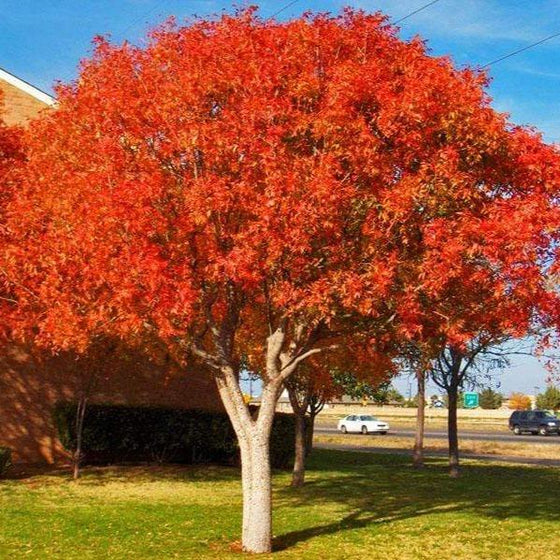
In the fall, the real show begins. The foliage can turn vivid orange, red, scarlet, and yellow, sometimes displaying multiple shades at once. That dramatic color is one of the tree’s strongest selling points and makes it a standout choice for anyone planting with autumn beauty in mind.
A Rounded Crown That Gets Better with Age
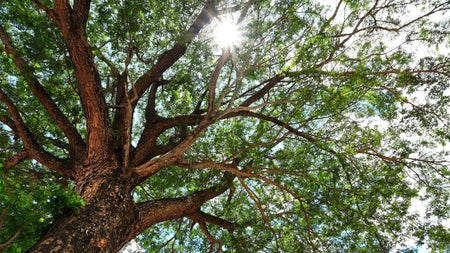
Chinese Pistache often looks a bit upright or even awkward when young, but with time it matures into an outstanding specimen tree with a rounded crown and gracefully arching main branches. That mature shape is part of what makes it so useful in residential design.
As it develops, it brings a stronger sense of balance and completion to the landscape. It works especially well as a lawn specimen, near drives, or in open sunny spaces where the canopy can be appreciated from multiple angles.
Excellent for Sunny, Dry, and Urban Landscapes
This tree is especially valued for its toughness. Chinese Pistache performs well in full sun, tolerates heat and drought once established, and adapts to many urban conditions better than many ornamental shade trees. That makes it a strong option for homeowners who want beauty without choosing something overly delicate.
Its durability is a major advantage in real-world landscapes. It can handle hot exposures, street-tree style placements, and tougher residential sites while still delivering the kind of fall color most people want from a more ornamental tree.
A Smart Choice for Specimen Planting and Long-Term Value
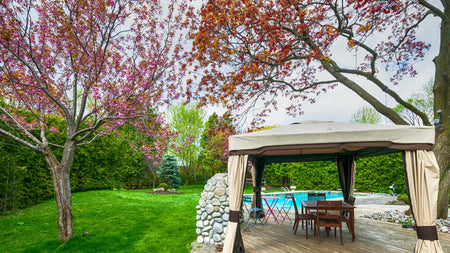
Chinese Pistache Tree works beautifully as a specimen in lawns, larger front yards, and other open planting areas where its canopy and fall color can take center stage. It is also a strong fit for street-side landscapes and more formal rows where a dependable medium canopy tree is needed.
For homeowners who want a shade tree with brilliant autumn color, drought tolerance, and long-term landscape reliability, the Chinese Pistache Tree is an excellent choice. It offers beauty, toughness, and a more polished shade-tree look in one versatile planting.
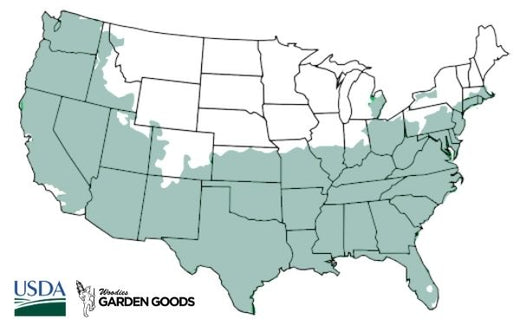
| Hardiness Zone: | 6-10 |
|---|---|
| Mature Height: | 30 to 40 feet |
| Mature Width: | 25 to 30 feet |
| Sunlight: | Full Sun |
| Soil | Well-drained soil; adaptable to many soil types |
| Water | Moderate during establishment; drought tolerant once established |
| Bloom Time / Color | Spring; small yellow-green flowers |
| Ornamental Features | Lustrous green foliage, rounded crown with age, brilliant red-orange-yellow fall color |
| Wildlife Value | Provides canopy cover and habitat value |
| Resistance (deer/disease/drought/etc.) | Heat tolerant; drought tolerant once established; adaptable to urban conditions |
| Landscape Uses | Shade tree, lawn specimen, street tree, urban landscape tree, driveway or front-yard accent |
How to Care for Chinese Pistache Tree
Before you buy a Chinese Pistache Tree, read the recommended care instructions to keep this plant healthy and thriving.
-v1775839394995.png?92x91)
How should I plant Chinese Pistache Tree?
Plant Chinese Pistache Tree in a full sun location with well-drained soil and enough room for its mature canopy to develop. Dig a hole about twice as wide as the root ball and no deeper than the root ball itself, then place the tree so the root flare sits at or slightly above the surrounding soil level. This helps the roots establish properly and reduces the chance of planting too deeply. Backfill with native soil, water thoroughly, and mulch around the root zone to help conserve moisture and reduce weed competition. Keep mulch a few inches away from the trunk. Because this tree develops into a rounded shade specimen, it should be planted where the canopy can mature naturally and its fall color can be fully appreciated.
-v1775839419016.png?89x84)
How often should I water Chinese Pistache Tree after planting?
Water Chinese Pistache Tree deeply right after planting, then continue watering regularly during the establishment period. In most landscapes, that means a deep soaking once or twice per week depending on rainfall, heat, and soil drainage. The goal is evenly moist soil while the tree builds a strong root system. Once established, Chinese Pistache becomes much more drought tolerant and usually needs supplemental watering only during extended dry periods. Deep watering is much better than frequent shallow watering because it encourages stronger roots and better long-term performance.
-v1775839443568.png?90x89)
When should I fertilize Chinese Pistache Tree?
Fertilize Chinese Pistache Tree only if needed, especially if growth appears weak or the soil is poor. If feeding is necessary, early spring is usually the best time to apply compost or a balanced fertilizer to support steady growth without encouraging overly soft new growth. Avoid unnecessary fertilization on already healthy trees. In many cases, good planting, full sun, and regular watering during establishment matter more than aggressive feeding. The goal is balanced growth, healthy foliage, and strong fall color.

When and how should I prune Chinese Pistache Tree?
Chinese Pistache Tree benefits from structural pruning when young to help build a symmetrical canopy and strong branch framework. Late winter is generally the best time to prune, before spring growth begins and while the branch structure is easier to evaluate. As the tree matures, pruning should focus on removing dead, damaged, or awkward branches and maintaining good form. Because young trees can look a bit gawky at first, thoughtful early pruning is especially helpful in shaping them into the beautiful rounded specimens they become with age.