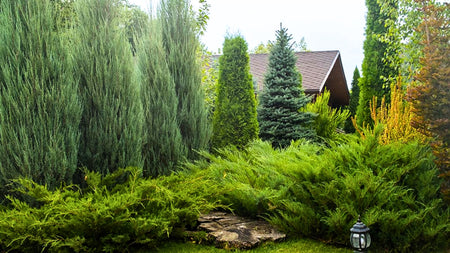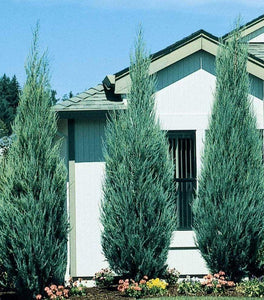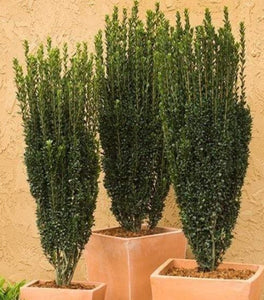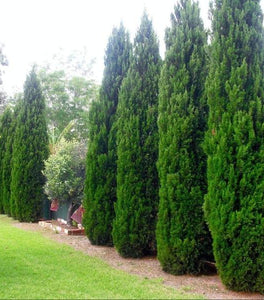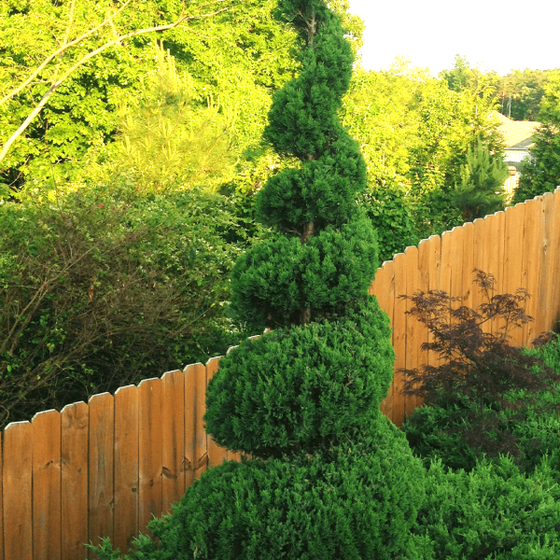

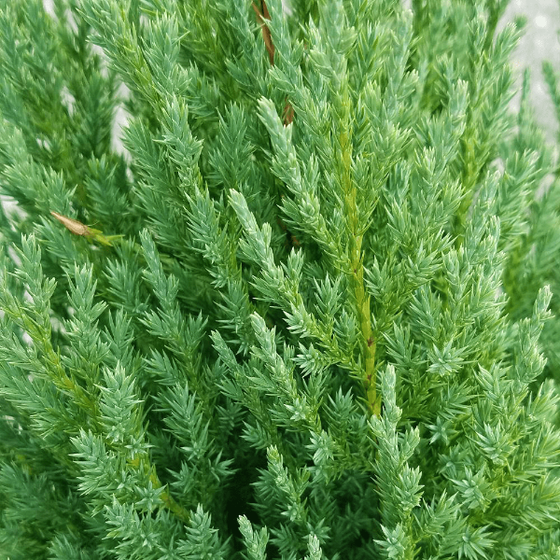


Images Depict Mature Plants
Blue Point Juniper Spiral Topiary
Juniperus chinensis 'Blue Point'
Blue Point Juniper Spiral Topiary is one of those plants that immediately gives a landscape a more finished look. The spiral shape adds real elegance, but the bigger selling point is that it is still a tough, dependable juniper underneath all that style. For front doors, formal beds, and focal-point plantings, it is a very smart evergreen accent.

15% OFF WITH CODE PLANTING15
Save 15% Off Your Entire Order! Limited time.
📦 Free shipping on orders over $99.
Delay shipping by leaving us a message at Checkout.
Share:



A Sculpted Evergreen Accent with Year-Round Structure
A Topiary That Brings Instant Elegance
Blue Point Juniper Spiral Topiary is one of the easiest ways to add a formal, finished look to the landscape without waiting years for a plant to be shaped. Its sculpted spiral form gives homeowners immediate architectural impact, making it an especially strong choice for front entries, walkway framing, patios, and high-visibility planting beds.
This is not just another evergreen. It is a statement plant that brings order, style, and year-round presence to the landscape from the moment it is planted.
Blue-Green Foliage That Stays Attractive All Year
One of the biggest reasons homeowners choose Blue Point Juniper Spiral Topiary is the foliage color. The dense blue-green evergreen growth holds beautifully through the seasons, creating a cool-toned, polished look that contrasts well with brick, stone, light-colored trim, and flowering annuals or perennials nearby.
That consistent color gives the plant real design value. Even in winter, when seasonal color fades elsewhere, this topiary continues to anchor the landscape with a crisp, elegant appearance.
A Strong Choice for Entrances, Containers, and Formal Planting
Blue Point Juniper Spiral Topiary is especially effective where the landscape needs a focal point with clean lines and vertical emphasis. It works beautifully in matched pairs flanking a front door, as an accent in formal garden beds, or as a container specimen on patios and porches.
Because the spiral form is already established, it gives homeowners a ready-made design element. That makes it especially useful for creating an upscale look quickly in both traditional and more contemporary landscapes.
Low Maintenance with Long-Term Appeal
This topiary is built from Blue Point Juniper, a tough evergreen known for its dense growth and dependable landscape performance. Once established, it is relatively drought-tolerant and generally low-maintenance, which makes it especially attractive for homeowners who want a polished look without constant fussing.
The main ongoing care is light shaping to maintain the spiral lines and keep the plant looking crisp. That modest maintenance is well worth it because the form adds so much visual value to the garden.
A Practical Evergreen with Real Landscape Toughness
Blue Point Juniper Spiral Topiary performs best in full sun and well-drained soil. It is also generally deer-resistant, which adds another layer of practical value in residential landscapes where browsing can be an issue.
For homeowners who want a sculpted evergreen accent with blue-green color, strong year-round presence, and low-maintenance toughness, Blue Point Juniper Spiral Topiary is an excellent choice. It offers formal beauty, dependable performance, and instant curb appeal in one striking plant.
**DISCLAIMER** The trees pictured are mature, professionally pruned topiaries. Plants that are shipped are trimmed into a spiral shape and will need to be pruned yearly once established to maintain shape.

| Hardiness Zone: | 4-8 |
|---|---|
| Mature Height: | 10 to 12 Feet |
| Mature width: | 3 to 4 Feet |
| Sunlight: | Full sun |
| Soil | Well-drained soil |
| Water | Moderate during establishment; drought tolerant once established |
| Bloom Time / Color | Blue-green evergreen foliage, sculpted spiral shape, dense upright habit |
| Wildlife Value | Provides evergreen cover and shelter value |
| Resistance (deer/disease/drought/etc.) | Deer resistant; drought tolerant once established; low maintenance |
| Landscape Uses | Entry accent, formal garden feature, container topiary, focal point, matched pair planting |
How to Care for Blue Point Juniper Spiral Topiary
Be sure to read our planting instructions for Blue Point Juniper Spiral Topiary Trees to ensure a healthy and happy plant for years to come!

How should I plant Blue Point Juniper Spiral Topiary?
Plant Blue Point Juniper Spiral Topiary in a full sun location with well-drained soil. Dig a hole about twice as wide as the root ball and no deeper than the root ball itself, then place the plant so the top of the root ball sits level with or slightly above the surrounding soil. This helps support healthy root establishment and reduces the risk of planting too deeply. Backfill with native soil, water thoroughly, and mulch around the base to help retain moisture and reduce weeds. Keep mulch a few inches away from the trunk. If planting in a matched pair or formal design, take time to set spacing and alignment carefully so the topiaries frame the space evenly.

How often should I water Blue Point Juniper Spiral Topiary after planting?
Water Blue Point Juniper Spiral Topiary deeply right after planting, then continue watering regularly during the establishment period. In most landscapes, that means a deep soaking once or twice per week, depending on rainfall, heat, and soil drainage. The goal is evenly moist soil while the root system develops. Once established, this topiary becomes much more drought-tolerant and usually needs supplemental water only during extended dry periods. Deep watering is much better than frequent shallow watering because it encourages stronger roots and better long-term performance.
-v1776256898685.png?90x89)
How do I water Blue Point Juniper Spiral Topiary Trees?
Fertilize Blue Point Juniper Spiral Topiary only if needed, especially if growth appears weak or foliage color looks dull. If feeding is necessary, early spring is usually the best time to apply a balanced slow-release fertilizer or compost to support steady healthy growth. Avoid overfeeding, especially on already healthy plants. In many cases, full sun, good drainage, and correct watering during establishment matter more than aggressive fertilization. The goal is dense evergreen growth and vibrant color without forcing weak, overly soft growth.

When and how should I prune Blue Point Juniper Spiral Topiary?
Blue Point Juniper Spiral Topiary needs light shaping to keep the spiral lines clean and well defined. Late winter or early spring is usually the best time for more careful pruning, though light touch-up trimming can also be done during the growing season as needed. Pruning should be gradual and precise. Avoid cutting hard into old bare wood because junipers do not reliably regenerate from heavily pruned older stems. Small, regular corrections are the best way to maintain a full, elegant spiral shape over time.