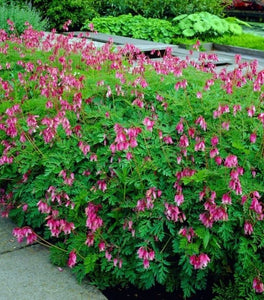
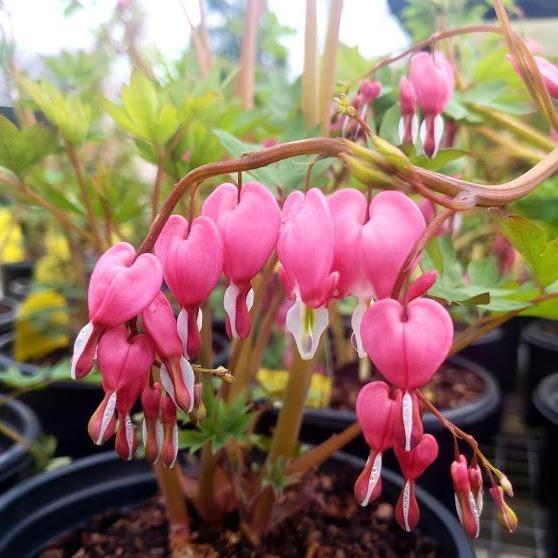


Images Depict Mature Plants
Old-Fashioned Bleeding Heart Plant
Lamprocapnos spectabilis
Old-Fashioned Bleeding Heart is one of those shade perennials that always makes a garden feel more personal and established. The pink heart-shaped flowers have a nostalgic look that works beautifully in woodland gardens, cottage borders, and shaded foundation beds. I especially like planting it with hostas, ferns, astilbe, and heuchera so the garden gets that unforgettable spring flower show, then stays full and attractive after the Bleeding Heart naturally goes dormant.

15% OFF FOR MOTHER'S DAY
Use Code MOMDAY15 At Checkout
📦 Free shipping on orders over $99.
Delay shipping by leaving us a message at Checkout.
Share:Recommended Add-Ons


Classic Heart-Shaped Flowers for Spring Shade Gardens
Iconic pink flowers with old-fashioned charm.
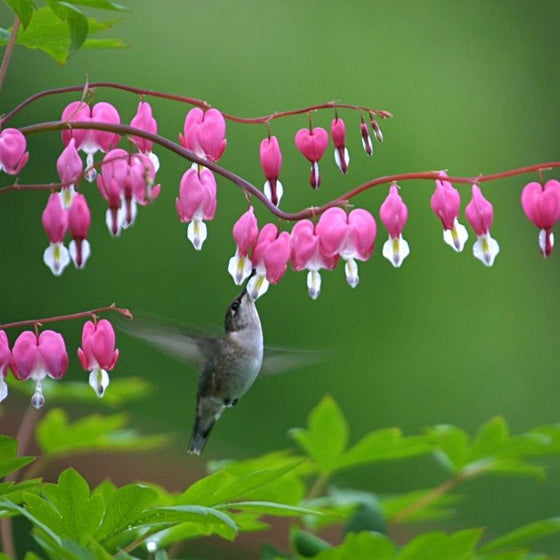
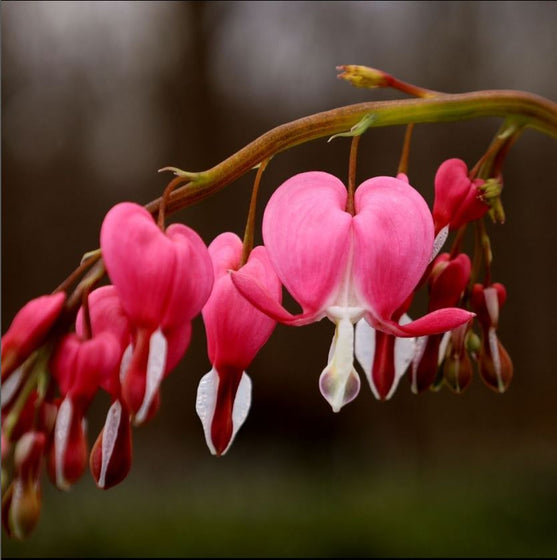
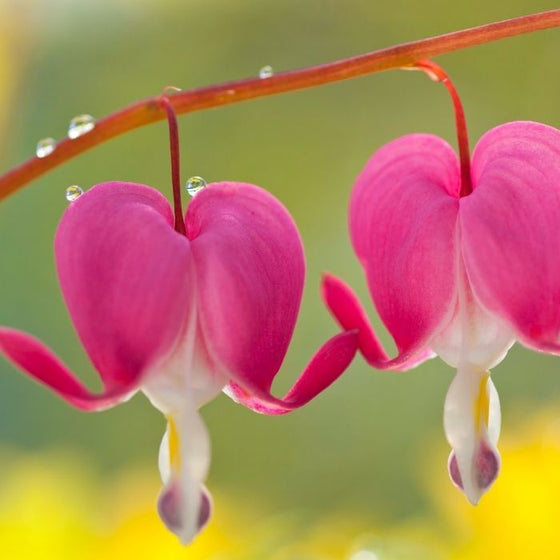
Old-Fashioned Bleeding Heart Plant produces graceful arching stems lined with dangling, heart-shaped pink flowers that open in spring and early summer. Each bloom has the classic pendant heart shape gardeners recognize instantly, with rose-pink outer petals and delicate white inner petals that give the flowers their romantic look. This is one of the best perennials for adding memorable spring color to shaded borders, cottage gardens, woodland edges, and foundation plantings where homeowners want something more distinctive than foliage alone.
A beautiful choice for part shade and woodland gardens.
Old-Fashioned Bleeding Heart thrives in part shade to full shade, especially in rich, moist, well-drained soil that resembles a woodland setting. It is ideal for planting under open-canopy trees, along shaded walkways, near patios with morning sun, or in garden beds that receive bright filtered light. In the right location, the plant feels natural and graceful rather than formal, making it a perfect fit for woodland gardens, shade borders, and relaxed cottage-style landscapes.
Soft foliage texture before summer dormancy.
The divided green foliage has a soft, fern-like look that adds beauty before and during bloom. After flowering, Old-Fashioned Bleeding Heart often begins to yellow, decline, and go dormant by midsummer, especially when the weather becomes hot or the soil dries out. That summer rest period is normal, so it is best to plant Bleeding Heart near later-emerging or longer-lasting shade plants, such as hostas, ferns, heuchera, astilbe, brunnera, carex, and hellebores, which can fill the space as the foliage fades.
Deer-resistant color for shaded landscapes.
Old-Fashioned Bleeding Heart is commonly considered deer-resistant and rabbit-resistant, making it a practical choice for shaded gardens where browsing pressure can be frustrating. No plant is completely deer-proof, but Bleeding Heart is usually not at the top of the menu when other preferred plants are available. Its combination of shade tolerance, spring flowers, and better browsing resistance makes it useful in woodland borders, shaded foundation beds, and protected garden edges.
A timeless perennial for layered garden designs.
Use Old-Fashioned Bleeding Heart as a spring focal point in layered shade plantings, where its flowers can rise and arch above lower foliage plants. It is especially effective when planted in small groups or repeated through a border, where the heart-shaped blooms create rhythm and a stronger seasonal display. Once the plant finishes blooming, companion perennials carry the garden forward, giving homeowners a beautiful spring show without leaving the bed empty later in the year.
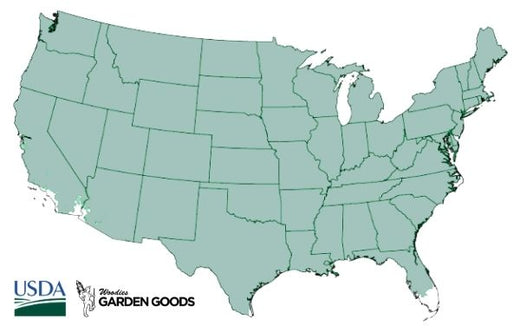
| Hardiness Zone: | 3 to 9 |
|---|---|
| Mature Height: | 2 to 3 feet |
| Mature Width: | 18 to 30 Inches |
| Sunlight: | Part shade to full shade; tolerates morning sun in cool, moist conditions |
| Soil | Rich, moist, humusy, well-drained soil |
| Water Requirements: | Water regularly after planting; prefers consistent moisture, especially during spring growth and bloom |
| Bloom Time / Color | Spring to early summer; rose-pink heart-shaped flowers with white inner petals |
| Ornamental Features | Heart-shaped flowers, arching stems, fern-like foliage, classic cottage and woodland garden appeal |
| Wildlife Value | Flowers may attract hummingbirds and early-season pollinators in some garden settings |
| Resistance | Deer resistant and rabbit resistant in many landscapes; shade tolerant and low maintenance when planted in moist, well-drained soil |
| Landscape Uses | Shade borders, woodland gardens, cottage gardens, foundation beds, shaded walkways, under open-canopy trees, spring gardens, naturalized plantings, and mixed perennial beds |
How to Care for Old-Fashioned Bleeding Heart Plant
After purchasing your Old-Fashioned Bleeding Heart Plant, be sure to read our recommended care instructions to ensure a happy and healthy perennial for years to come.

How should I plant Old-Fashioned Bleeding Heart?
Plant Old-Fashioned Bleeding Heart in part shade to full shade with rich, moist, well-drained soil. A site with morning sun and afternoon shade, filtered light, or bright open shade is ideal, especially in warmer climates. Dig a hole about twice as wide as the root ball and set the crown level with the surrounding soil. Backfill, water deeply, and space plants about 18 to 30 inches apart so the arching stems and mature clumps have room to develop naturally.

How often should I water Old-Fashioned Bleeding Heart after planting?
Water Old-Fashioned Bleeding Heart regularly during the first growing season while the roots establish. Keep the soil evenly moist during spring growth and bloom, but avoid soggy conditions because the roots still need good drainage. Once established, Bleeding Heart performs best with steady moisture, especially during dry spring weather. Adequate moisture can help the foliage stay attractive longer, but the plant may still go dormant in summer as part of its natural seasonal cycle.

When should I fertilize Old-Fashioned Bleeding Heart?
Fertilize Old-Fashioned Bleeding Heart lightly in spring with compost, leaf mold, or a balanced slow-release fertilizer. Rich organic matter helps mimic the woodland soil conditions this plant prefers and supports strong spring growth. Avoid heavy fertilizing, especially with high-nitrogen fertilizer, because it can encourage soft growth. A yearly compost mulch is usually enough to feed the plant, conserve moisture, and keep the root zone cool.

When and how should I prune Old-Fashioned Bleeding Heart?
Prune Old-Fashioned Bleeding Heart after the foliage yellows and declines naturally. Do not cut back healthy green foliage too early, because the leaves help feed the roots after flowering. Once the plant goes dormant, trim the yellowed foliage to the ground and mark the planting location so you do not disturb it later in the season. Remove spent flower stems after bloom if you want a cleaner look, but allow foliage to remain as long as it is green.