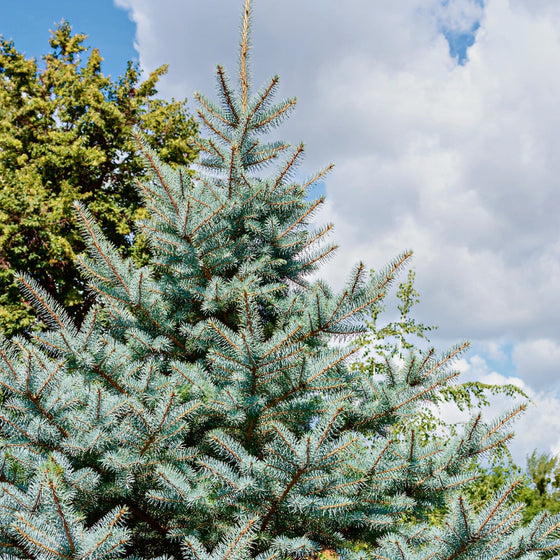
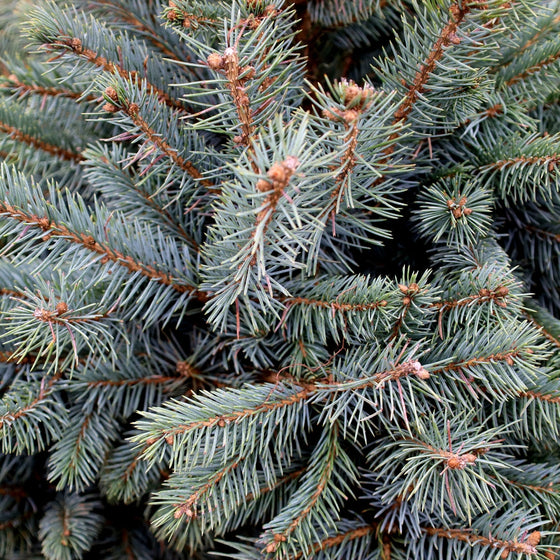
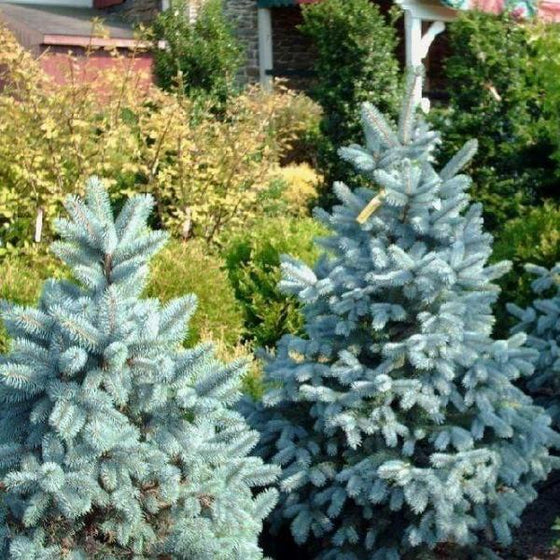


Images Depict Mature Plants
Baby Blue Spruce Tree
Picea pungens 'Baby Blue'
Baby Blue Spruce Tree is a great option when you want that unmistakable blue spruce look but need something a little more manageable for a residential landscape. The color is what really sets it apart — it is intensely blue, dense, and eye-catching all year long. For a specimen evergreen, living Christmas tree, or smaller blue accent with real presence, this one is easy to recommend.

15% OFF WITH CODE PLANTING15
Save 15% Off Your Entire Order! Limited time.
📦 Free shipping on orders over $99.
Delay shipping by leaving us a message at Checkout.
Share:

Bold Blue Evergreen Color in a More Manageable Size
A More Compact Take on the Classic Blue Spruce
Baby Blue Spruce Tree is an excellent choice for homeowners who love the iconic look of Colorado Blue Spruce but want a tree that stays more landscape-friendly over time. This semi-dwarf selection offers the same bold evergreen presence and striking blue color, but with a somewhat smaller, denser habit that fits more comfortably into residential spaces.
That balance is what makes it so appealing. It is large enough to feel substantial and important in the landscape, but it does not overwhelm smaller gardens as quickly as a full-sized blue spruce can.
Exceptionally Blue Needles for Four-Season Color
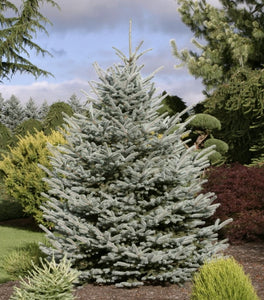
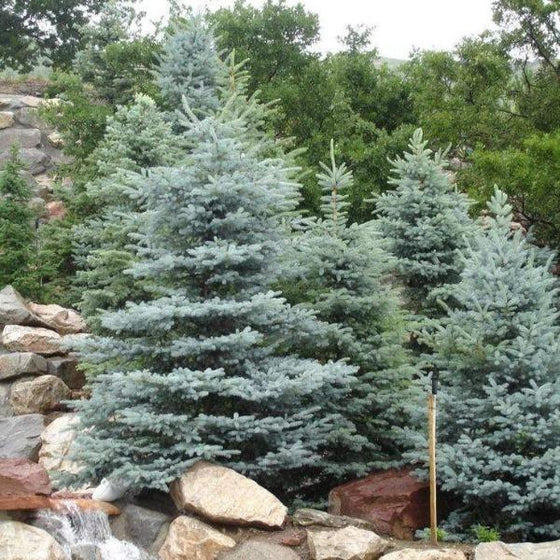
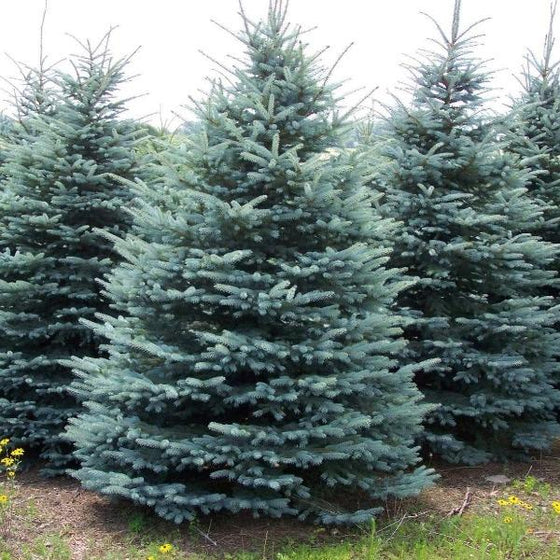
One of the biggest reasons to plant Baby Blue Spruce is the foliage color. The needles are intensely silvery blue to blue-gray, giving the tree a cool, luminous quality that stands out beautifully against lawns, broadleaf shrubs, darker evergreens, and stonework.
That strong blue cast is what gives the plant so much year-round ornamental value. Even in winter, when many plants fade visually, Baby Blue Spruce continues to anchor the landscape with bright, crisp evergreen color.
A Dense Pyramidal Form with Strong Specimen Value
Baby Blue Spruce naturally develops a compact pyramidal shape with closely held needles and dense branching, which makes it especially effective as a specimen tree. It brings a very clean, intentional look to the garden and works beautifully in island beds, open lawns, foundation accents, and prominent evergreen groupings.
Because of its compact form and moderate size, it is especially valuable where a tree is needed to provide evergreen structure without dominating the entire planting. It has strong visual weight, but it still feels proportionate in many residential settings.
Excellent for Smaller Landscapes, Containers, and Living Christmas Tree Use
This cultivar is a strong fit for smaller gardens and more confined spaces where a standard blue spruce might feel too large or heavy. It can even be used as a container specimen while young, and its classic conifer form also makes it a favorite for homeowners who want a living Christmas tree that can later be planted into the landscape.
That flexibility gives it broad design value. It works as a seasonal focal point, a permanent evergreen accent, or even a planted row where a smaller-scale blue screen or windbreak effect is desired.
Drought Tolerant Once Established and Best in Cooler, Sunny Sites
Baby Blue Spruce performs best in full sun to partial sun and in well-drained soil with a slightly acidic lean. Once established, it becomes more drought-tolerant, though it still appreciates steady moisture while settling in and generally performs best in cooler climates.
For homeowners who want a blue evergreen with strong specimen quality, manageable size, and richer color than many standard spruces, the Baby Blue Spruce Tree is an excellent choice. It offers beauty, structure, and year-round distinction in one versatile evergreen.
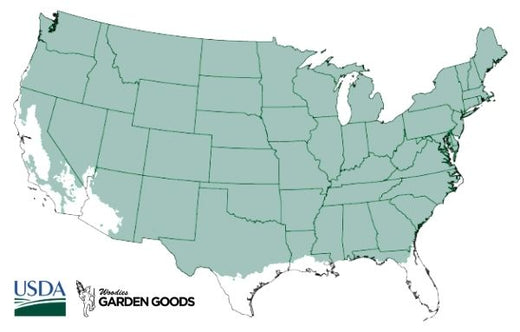
| Hardiness Zone: | 3-8 |
|---|---|
| Mature Height: | 15 to 25 Feet |
| Mature Width: | 15 Feet |
| Sunlight: | Partial to full sun |
| Soil | Well-drained soil; slightly acidic preferred |
| Water | Moderate; water regularly during establishment |
| Bloom Time / Color | Conifer; grown for foliage |
| Ornamental Features | Silvery blue to blue-gray needles, compact pyramidal habit, dense branching |
| Wildlife Value | Provides evergreen cover and shelter for birds |
| Resistance (deer/disease/drought/etc.) | Drought tolerant once established; rabbit resistant; generally low-maintenance in suitable climates |
| Landscape Uses | Specimen tree, smaller landscape evergreen, living Christmas tree, windbreak, privacy screen, container specimen while young |
How to Care for Baby Blue Spruce Tree
Before you buy a Baby Blue Spruce Tree, make sure to read about the recommended care instructions to keep this plant healthy and flourishing.

How should I plant Baby Blue Spruce Tree?
Plant Baby Blue Spruce Tree in a location with partial to full sun and well-drained soil. Dig a hole about twice as wide as the root ball and no deeper than the root ball itself, then set the tree so the root flare sits at or slightly above the surrounding soil level. This helps the roots establish properly and reduces the chance of decline from planting too deeply. Backfill with native soil, water thoroughly, and mulch around the root zone to help hold moisture and reduce weeds. Keep mulch a few inches away from the trunk. Because this tree develops a strong pyramidal form, it is best planted where it has room to show off its natural shape and color.

How often should I water Baby Blue Spruce Tree after planting?
Water Baby Blue Spruce Tree deeply right after planting, then continue watering regularly during the establishment period. In most landscapes, that means a deep soaking once or twice per week, depending on rainfall, temperature, and soil drainage. The goal is evenly moist soil while the root system develops. Once established, this tree becomes more drought-tolerant, but it still performs best when not allowed to dry out severely for long stretches, especially while young. Deep watering is much better than frequent shallow watering because it encourages stronger roots and better long-term resilience.

When should I fertilize Baby Blue Spruce Tree?
Fertilize the Baby Blue Spruce Tree only if needed, especially if growth appears weak or the soil is poor. If feeding is necessary, early spring is usually the best time to apply a fertilizer suitable for conifers or acid-loving plants, or to work compost lightly into the surrounding soil. Avoid overfeeding, especially on already healthy trees. In many landscapes, proper siting, good drainage, and regular watering during establishment are more important than aggressive fertilization. The goal is dense, healthy evergreen growth and strong foliage color.

When and how should I prune Baby Blue Spruce Tree?
Baby Blue Spruce Tree generally needs very little pruning because it naturally maintains a compact pyramidal shape. If pruning is needed, late winter to early spring is usually the best time to remove dead, damaged, or awkwardly placed branches before new growth begins. Pruning should be light and selective rather than aggressive. Because spruces do not regenerate well from old bare wood, it is best to preserve the natural outline and only refine the form when necessary.