Images Depict Mature Plants
At Last® Rose for Fragrant Apricot Color and Season-Long, Low-Fuss Blooms
Real Rose Fragrance With Lush Apricot Blooms
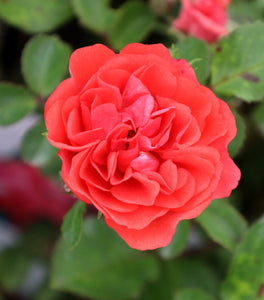
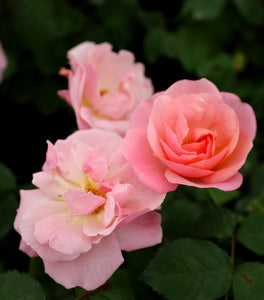
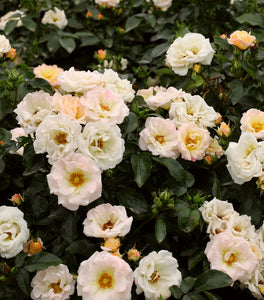
At Last® Rose is the rose you plant when you want that unmistakable “stop-and-smell” experience—true rose fragrance paired with full, romantic blooms. The flowers open a warm apricot tone with soft peachy-gold highlights, and that color flatters almost any garden palette. It’s especially beautiful with purple and blue perennials, deep green evergreens, and silver foliage that makes the apricot glow.
The bloom form feels classic, not sparse or single-petaled, which gives At Last® a higher-end look in beds and borders. It’s the kind of rose that makes a front yard feel welcoming and intentional, and it also shines in a cutting garden when you want a fragrant handful of blooms for the kitchen table. If fragrance is on your must-have list, this rose earns its name.
Repeat Blooming Color That Carries From Spring Through Frost
At Last® Rose is built for modern landscapes: it reblooms in flushes so you’re not left with one short show and months of green. You’ll typically see flowers from late spring well into fall, especially with consistent sun and a simple care routine. That steady bloom cycle makes it ideal for foundation beds, sunny borders, and “high-visibility” spots where you want dependable color.
One of the most satisfying things about this rose is how it keeps looking good between flushes. The foliage stays attractive, the plant holds a tidy shape, and you don’t have to treat it like a fragile diva to get results. Deadheading helps speed rebloom and keep the plant looking polished, but At Last® is still a strong performer for gardeners who want beauty without constant fuss.
A Perfect Shrub Rose Size For Beds, Borders, And Flowering Hedges
At Last® Rose typically matures around 3–4 feet tall and 3–4 feet wide, which lands right in the sweet spot for most home landscapes. It’s big enough to read as a true flowering shrub, yet compact enough to fit into mixed beds without crowding everything around it. Use it as a focal plant near an entry, repeat it down a walkway for rhythm and fragrance, or tuck it into a sunny border where the apricot blooms can play off nearby perennials.
This size also makes it a strong candidate for a hedge. A row of At Last® roses creates a flowering boundary that feels softer than a boxwood line and far more seasonal. Because it stays in a manageable range, pruning and shaping are straightforward, and you can keep the hedge looking full without losing the bloom power that makes it special.
Confidence In The Landscape With Strong Disease Resistance
At Last® Rose is prized for being easier to grow than many traditional roses, thanks to strong disease resistance when it’s planted correctly. Give it full sun, avoid crowding, and water at the base so foliage stays drier—those simple habits support cleaner leaves and better overall vigor. The result is a rose that looks “garden beautiful” longer, even through summer weather swings.
For best performance, pair good airflow with steady moisture during establishment, then keep a mulch ring to help the soil hold water and reduce weeds (keep mulch off the stems). Feed in spring and after the first big flush to support repeat blooming, and do a simple late-winter prune to refresh the plant each year. It’s a rose that rewards basic good gardening with standout fragrance and months of color.
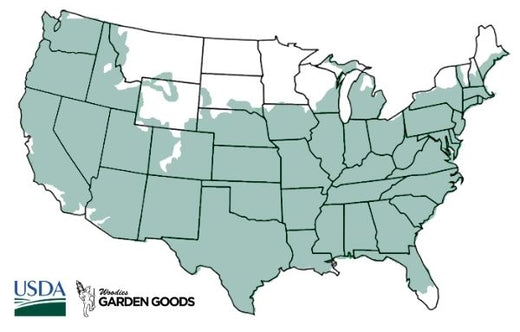
| Hardiness Zone: | 5-9 |
|---|---|
| Mature Height: | 3 to 4 Feet |
| Mature Width: | 3 to 4 Feet |
| Sunlight: | Full sun for best blooms |
| Bloom Time / Color | Late spring to frost (in flushes); apricot/peach blooms |
| Soil Condition: | Well-drained, fertile soil |
| Water Requirements: | Medium; deep watering while establishing, then consistent moisture in bloom/heat |
| Wildlife Value | Blooms attract bees and beneficial pollinators |
| Resistance | Strong disease resistance; not reliably deer resistant; moderate drought tolerance once established |
| Landscape Uses | Borders, foundation beds, flowering hedge, fragrance gardens, cutting gardens, mass plantings |
How to Care for Proven Winners® Color Choice® At Last® Rose
Before you buy an At Last® Rose, make sure to read about the recommended care instructions to keep this plant healthy and thriving.
-v1770389493494.png?92x91)
How should I plant At Last® Rose?
Plant At Last® Rose in full sun in well-drained soil. Dig a hole about twice as wide as the root ball and set the plant so the top of the root ball sits level with the surrounding soil. Backfill with native soil, water deeply to settle, and create a shallow watering ring to direct water into the root zone. Mulch 2–3 inches over the root area to conserve moisture and reduce weeds, keeping mulch a few inches away from the stems and crown. Give it room for airflow from day one, especially in humid climates. Strong sun + drainage + spacing are the three easiest ways to get better blooms and cleaner foliage.
-v1770389526461.png?89x84)
How often should I water At Last® Rose after planting?
Water deeply right after planting, then keep the root zone evenly moist (not soggy) for the first several weeks. A good starting rhythm is a deep soak about once per week, increasing to twice per week during hot weather, sandy soils, or windy conditions. After it’s established, water during extended dry spells and when the plant is setting buds and blooming heavily. Always water at the base rather than overhead to keep foliage drier. Deep, less-frequent watering encourages roots to grow down and improves heat resilience.
-v1770389547702.png?90x89)
When should I fertilize At Last® Rose?
Fertilize in early spring as new growth begins using a rose fertilizer or a balanced slow-release fertilizer. Apply it over the root zone (not against the stems) and water afterward so nutrients move into the soil where feeder roots can absorb them. Feed again after the first major flush of blooms to support repeat flowering through summer and into fall. Avoid heavy fertilizing late in the season, which can push tender growth when the plant should be slowing down. Consistent, moderate feeding supports better bloom cycles and sturdier branching.

When and how should I prune At Last® Rose?
Prune At Last® Rose in late winter or early spring before active growth begins. Remove dead or damaged stems first, then thin crowded growth and lightly shape the shrub to maintain a rounded, balanced form. This encourages vigorous new shoots that produce the most flowers. During the season, deadhead spent blooms for quicker rebloom and a tidier look. Avoid harsh pruning during extreme heat. A simple yearly prune, plus light cleanup throughout the season, keeps the plant full, healthy, and blooming strongly.