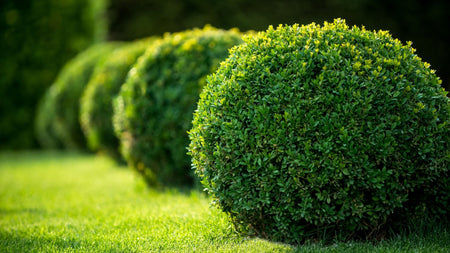
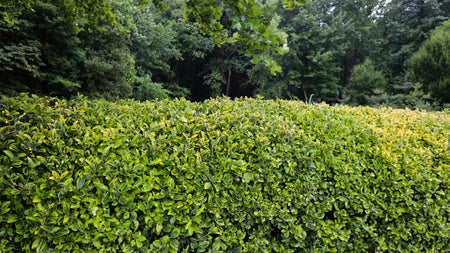
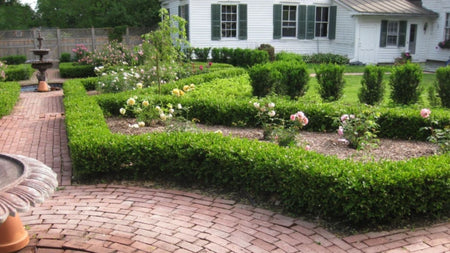
Images Depict Mature Plants
Wintergreen Boxwood
Buxus sinica var. japonica 'Wintergreen'
Wintergreen Boxwood is one of my favorite “make it look finished” shrubs because it offers a classic boxwood structure with deep green winter color and a naturally dense habit that behaves as a hedge. Plant it in well-drained soil, water it well the first season, then keep your trims light and well-timed, and it’ll reward you with clean evergreen lines for years.

15% OFF SITEWIDE, USE CODE 'FALLPLANT15'
📦 Free shipping on orders over $99.
Delay shipping by leaving us a message at Checkout.
Share:

Wintergreen Boxwood Shrub For Deep Winter Color, Dense Hedges, And Clean Evergreen Structure
Deep Green Winter Color That Keeps Landscapes Looking Finished
Wintergreen Boxwood is the evergreen you choose when you want your landscape to look neat and “put together” in every season, including the hard months. Its small leaves and dense branching create a smooth, refined texture that reads clean from the street and up close on a patio. In spring and summer, the foliage is a rich green; in winter, it’s known for holding its color better than many boxwoods, which can look tired or washed out. That consistency is exactly why it’s a favorite for front-yard beds and entry gardens.
Design-wise, Wintergreen acts like living architecture. It frames doors and steps, anchors corners, and gives flower-heavy beds a calm evergreen backbone. If you love tidy lines but do not want a fussy plant, this is a great fit. The form is naturally compact and rounded, so it looks good even before you ever pick up pruners.
A big bonus is how well it blends with everything: hydrangeas, roses, perennials, ornamental grasses, and modern hardscape. Wherever you need structure and year-round green, Wintergreen steps in and quietly improves the whole composition.
A Dense, Shapeable Boxwood For Hedges And Borders Without The Hassle
If your goal is a boxwood hedge that looks full (not fluffy), Wintergreen is built for it. The branching is naturally tight, which helps it knit together into a continuous wall of green with fewer gaps. It is also easy to shape, so you can maintain a crisp, formal edge or keep a softer, rounded line for a more relaxed landscape. That flexibility makes Wintergreen a strong choice for everyone from first-time gardeners to meticulous hedge lovers.
Use it as a low hedge along walkways, to define garden rooms, or to create a clean border in foundation beds. In rows, it creates instant order. As repeating mounds, it adds rhythm and polish without taking over the bed. And because it stays relatively compact, it fits nicely in smaller yards where larger boxwoods can feel bulky.
The key to a great hedge is getting the basics right early: proper spacing, consistent watering while establishing, and light, well-timed pruning. With those pieces in place, Wintergreen becomes one of the most dependable evergreen “building blocks” you can plant.
Cold-Hardy Reliability And Deer Resistance For Real-World Gardens
Wintergreen Boxwood is valued for toughness: it handles cold climates well (Zones 4–9) and is generally considered deer resistant. While no plant is completely deer-proof, boxwood foliage is usually less appealing to browsing, which makes Wintergreen a practical choice in areas where deer can quickly ruin more tempting shrubs. That real-world resilience is especially important in foundation plantings, where you want dependable structure without constant replacement.
This variety is also well-suited to the kind of gardens people actually live with: mixed beds, changing sunlight through the seasons, and the occasional weather swing that tests plants. Once established, it can tolerate short dry spells better than many gardeners expect, especially when the soil drains well and the root zone is mulched.
If you want an evergreen that doesn't need babying but still looks refined and intentional, Wintergreen delivers. It’s a steady performer that keeps curb appeal and garden structure intact when everything else is dormant.
Simple Care That Rewards Drainage, Consistent Moisture, And Smart Timing
Wintergreen Boxwood thrives with a simple, repeatable routine. Give it well-drained soil (standing water is the one thing boxwoods truly dislike), full sun to partial shade, and steady moisture during its first season. “Water well until established” means deep watering that fully soaks the root ball, then letting the surface dry slightly between waterings so roots get both moisture and oxygen. A 2–3-inch mulch layer helps stabilize moisture and temperature and prevents lawn equipment damage near the base.
Pruning is flexible and beginner-friendly when you keep it light. A trim in late spring helps tighten the outline and encourages denser branching. If you want a sharper hedge, a second light trim in mid-summer can maintain crisp lines. Avoid heavy pruning late in the season, which can push tender new growth at the wrong time.
Done right, Wintergreen stays dense, green, and polished with minimal effort. It’s the kind of evergreen that quietly elevates the entire landscape without asking much in return.
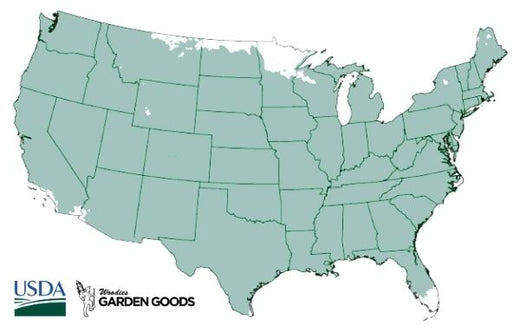
| Hardiness Zone: | 4-9 |
|---|---|
| Mature Height: | 2 to 4 Feet; less if trimmed |
| Mature Width: | 3 to 4 Feet; less if trimmed |
| Sunlight: | Partial to full sun |
| Bloom Time / Color: | Spring; inconspicuous |
| Soil Condition: | Any well drained soil |
| Water Requirements: | Water well until established; moderate once established |
| Wildlife Value: | Flowers may attract early pollinators |
| Resistance (deer/disease/drought/etc.): | Deer resistant; drought tolerant once established |
| Landscape Uses: | Hedges, borders, foundation plantings, containers, formal gardens |
How to Care for Wintergreen Boxwood
Be sure to read our planting instructions to ensure a healthy and happy Wintergreen Boxwood for years to come!

How should I plant Wintergreen Boxwood?
Choose a site with partial to full sun and soil that drains well after rain. Dig a hole about twice as wide as the root ball and just as deep, then set the shrub so the top of the root ball sits level with (or slightly above) the surrounding soil. Backfill with native soil, firm gently to remove air pockets, and water deeply to settle the roots in. Finish with a 2–3-inch mulch ring around the root zone, keeping the mulch a few inches away from the stems. If you are planting a hedge, stake your line first and keep spacing consistent so the row fills in evenly and stays healthier over time.

How often should I water Wintergreen Boxwood after planting?
Water thoroughly right after planting, then keep the root zone evenly moist during the first growing season. A practical baseline is deep watering 1–2 times per week, adjusting for rainfall, heat, and soil type. Water slowly so moisture penetrates the entire root ball, and let the surface dry slightly between waterings. After the plant establishes, switch to deep watering during extended dry spells rather than frequent light watering. Consistent moisture (not soggy soil) supports stronger roots and helps prevent stress that can show up as thinning foliage or winter bronzing.

When should I fertilize Wintergreen Boxwood?
Fertilize in early spring as new growth begins, using a balanced, slow-release fertilizer made for shrubs or evergreens. Apply it around the root zone (not right against the stems) and water it in well. This supports steady growth and helps maintain a rich green look. You can also top-dress with compost annually to improve soil health and moisture retention. Avoid heavy fertilizing late in the season, since tender new growth pushed too late can increase winter stress.

When and how should I prune Wintergreen Boxwood?
Prune in late spring after the first flush of growth to shape the plant and encourage dense branching. For formal hedges, light shearing works well; for a more natural look, selectively trim longer shoots to keep the rounded form. Keep cuts modest and consistent so you do not expose large interior areas all at once. If you do a second trim, aim for mid-summer so new growth has time to harden off before cold weather. For hedges, keep the top slightly narrower than the bottom so sunlight reaches lower foliage and the hedge stays full from top to ground.