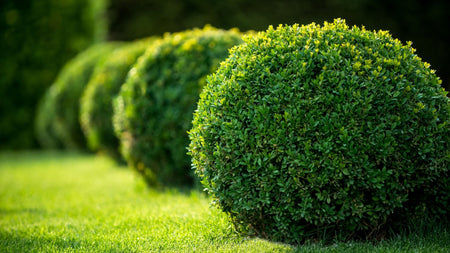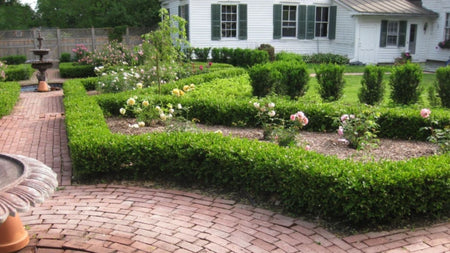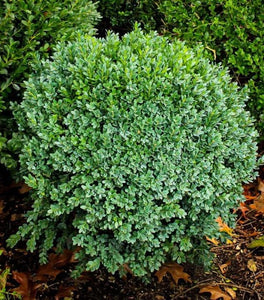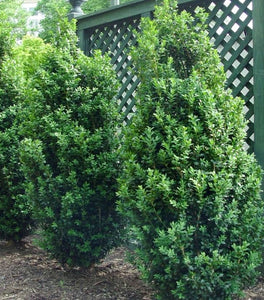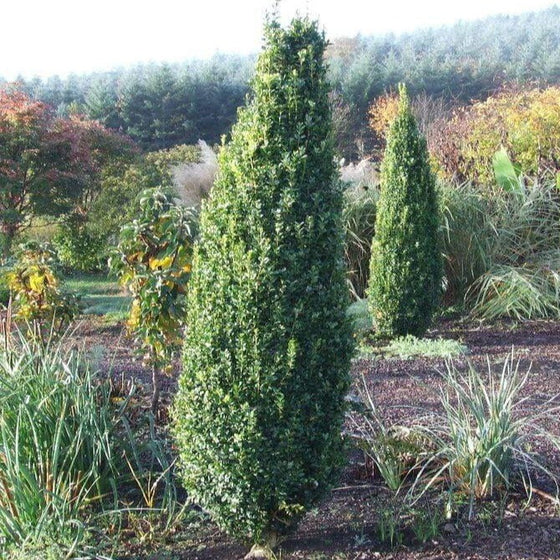
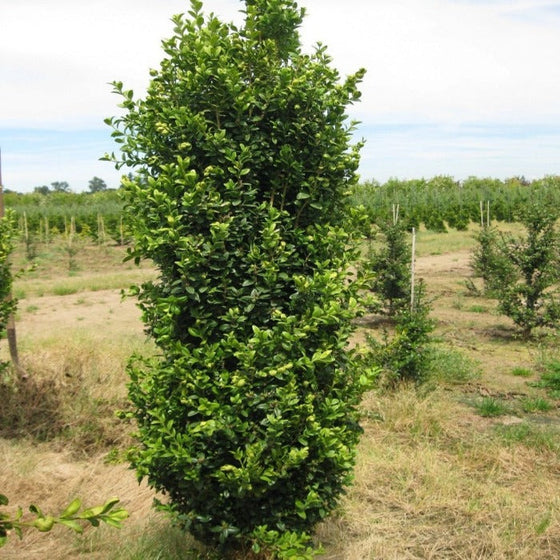
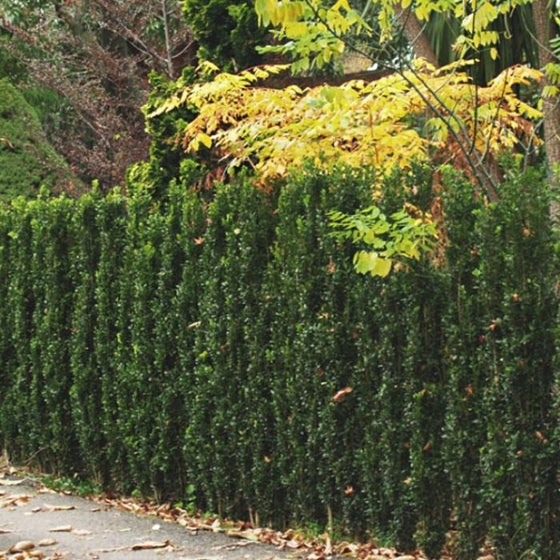


Images Depict Mature Plants
Green Pillar Boxwood
Buxus sempervirens 'Green Pillar'
Green Pillar Boxwood is one of my favorite “problem solvers” because it gives you that classic boxwood elegance in places where a normal hedge just won’t fit—tight side yards, narrow beds, skinny foundation strips, or a clean pair flanking the front steps. Water it well the first season, keep the pruning light and timely, and you’ll have a tall, narrow evergreen that looks polished in every season.
📦 Free shipping on orders over $99.
Delay shipping by leaving us a message at Checkout.
Share:


Green Pillar Boxwood For Narrow Evergreen Hedges, Vertical Accents, And Space-Saving Privacy
A Slim Evergreen “Exclamation Point” For Tight Spaces
Green Pillar Boxwood is the answer when you want boxwood elegance, but you don’t have boxwood space. Its naturally narrow, upright habit creates strong vertical structure—perfect for skinny beds, along fences, beside walkways, or anywhere you need height without sacrificing width. The foliage is dense and glossy green, so it reads clean and formal from the street and stays attractive through every season.
This is also one of the easiest ways to bring symmetry into a landscape. Plant a pair to frame an entry, line a path with repeating columns, or tuck it into tight foundation corners that always feel awkward to fill. You get that classic evergreen “architecture” without the bulky footprint of wider shrubs.
Year-Round Hedge Power With A Naturally Columnar Shape
If you’ve ever wanted a hedge that feels crisp and intentional—but you don’t want it swallowing your yard—Green Pillar Boxwood was made for that job. Mature plants typically reach about 7–9 feet tall and stay a manageable 2–3 feet wide, which means you can create a tall green screen in spaces where traditional hedges would crowd patios, driveways, or property lines.
Because the shape is naturally upright, it takes less pruning to keep it looking tailored. Use it as a living fence, a privacy screen, or a formal boundary in modern landscapes. The look is clean, vertical, and evergreen—exactly what you want when you’re building “bones” that make everything else in the garden look more designed.
Deer Resistance And Dependable Performance In Zones 5–9
Green Pillar Boxwood is generally deer resistant, which is a big reason it’s trusted for hedges and front-yard structure. While no plant is completely deer-proof, boxwoods are rarely a first-choice browse, and this variety is especially useful in landscapes where you want to plant once and not worry about repeated damage.
It’s also hardy and adaptable across Zones 5–9, handling full sun to partial shade with ease. Give it well-drained soil, avoid consistently soggy spots, and it will hold its color and form through the seasons. If you want a reliable evergreen structure that’s both refined and practical, Green Pillar checks the boxes.
Low-Maintenance Care That Keeps The Profile Tight And Healthy
Green Pillar Boxwood is low-maintenance by nature, but a few smart habits make it look exceptional. Water deeply during the first growing season to build a strong root system, and mulch to stabilize moisture and temperature. Once established, it’s more forgiving and won’t demand constant attention—especially compared to faster-growing screening shrubs.
Pruning is simple: light shaping in late winter or early spring, with an optional summer touch-up to maintain a sleek outline. Avoid cutting back more than about one-third at a time, and consider occasional interior thinning to improve airflow. That small effort helps reduce stress and supports healthier foliage—so your “pillar” stays dense, green, and beautifully vertical.
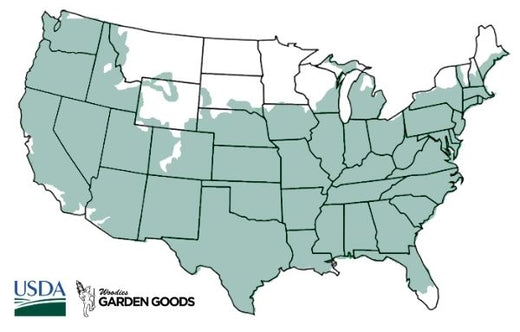
| Hardiness Zone: | 5-9 |
|---|---|
| Mature Height: | 7 to 9 Feet |
| Mature Width: | 2 to 3 Feet |
| Sunlight: | Full sun to partial shade |
| Soil Condition: | Any well-drained soil |
| Water Requirements: | Water well until established; moderate once established |
| Bloom Time / Color: | Spring; small yellow-green (not showy) |
| Wildlife Value: | Minor; spring flowers may support early pollinators |
| Resistance (deer/disease/drought/etc.): | Deer resistant; somewhat tolerant of boxwood blight with good airflow |
| Landscape Uses: | Narrow hedge, privacy screen, living fence, entry framing, formal accents, topiary |
How to Care for Green Pillar Boxwood
Be sure to read our planting instructions to ensure a healthy and happy Green Pillar Boxwood plant for years to come!

How should I plant Green Pillar Boxwood?
Plant Green Pillar Boxwood in a spot with well-drained soil and full sun to partial shade. Dig a hole about twice as wide as the root ball and just as deep, then set the plant so the top of the root ball is level with (or slightly above) the surrounding soil. Backfill with native soil, firm gently, and water deeply to settle the roots and remove air pockets. Finish with a 2–3-inch mulch ring over the root zone, keeping the mulch a few inches away from the stems. If you’re planting a hedge or screen, lay out your spacing before digging so the line stays straight and the plants fill in evenly as they mature.
-v1604935551901.png?89x84)
How often should I water Green Pillar Boxwood after planting?
Water thoroughly right after planting, then water deeply about once per week during the first growing season so moisture reaches 6–8 inches into the soil. In hot or dry weather, increase to twice per week to prevent the root ball from drying out. Water at the base of the plant instead of overhead to keep foliage drier and reduce stress. Once established, Green Pillar Boxwood becomes more drought-tolerant but still looks best with occasional deep watering during extended dry spells. Check the soil a few inches down—if it feels dry, it’s time to water—and keep mulch refreshed to reduce moisture swings.
-v1604935584372.png?90x89)
When should I fertilize Green Pillar Boxwood?
Fertilize in early spring, just before new growth begins, using a balanced, slow-release shrub fertilizer. Apply it around the root zone (not against the stems) and water it in well so nutrients move into the soil where roots can access them. If plants are in poor soil or growth is noticeably slow, a lighter mid-summer feeding can help support density and color. Avoid heavy late-season fertilizing, which can push tender new growth too late and increase winter stress.
-v1604934876184.png?89x89)
When and how should I prune Green Pillar Boxwood?
Prune lightly in late winter or early spring before strong new growth begins. Start by removing any dead, damaged, or crossing branches, then shape the sides to maintain the narrow, columnar form. Keep pruning modest—avoid cutting back more than about one-third at a time so the plant doesn’t get stressed. If you’re maintaining a very formal look, a light summer touch-up can keep the outline crisp. For long-term health, occasional interior thinning improves light penetration and airflow, which supports denser growth and can help reduce fungal issues over time.