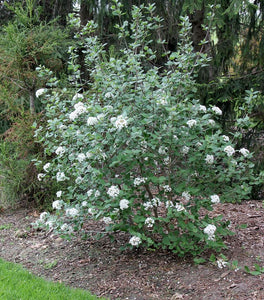


Images Depict Mature Plants
Doublefile Viburnum
Viburnum plicatum f. tomentosum 'Mariesii'
Doublefile Viburnum is one of those shrubs that adds real elegance to a landscape. I like it because the layered branches make it look beautiful even before it blooms, and then you get that big flush of white flowers followed by berries and fall color. For homeowners looking for a specimen flowering shrub, a softer privacy screen, or a bird-friendly viburnum with real four-season interest, this is a really rewarding choice.

15% OFF SITEWIDE, USE CODE 'FALLPLANT15'
📦 Free shipping on orders over $99.
Delay shipping by leaving us a message at Checkout.
Share:

A Layered White Flowering Viburnum With Architectural Branching And Four-Season Beauty
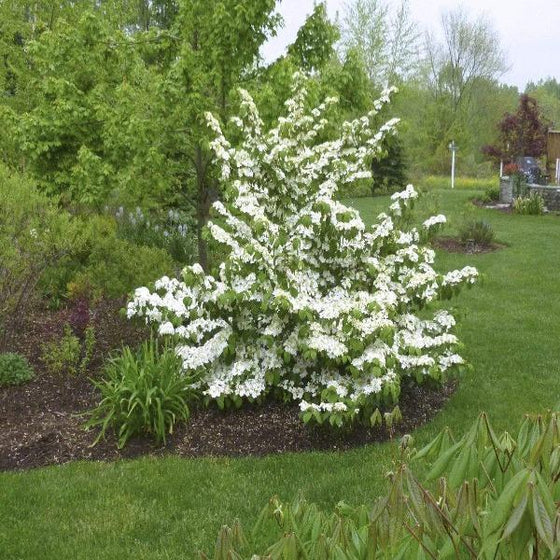
Tiered White Blooms That Create A Dramatic Spring Display
Doublefile Viburnum is one of the most distinctive flowering shrubs you can add to a landscape because of the way its blooms sit along elegant, horizontally layered branches. In spring, the white flowers appear in abundance, creating a refined, almost architectural effect that feels more dramatic than that of a typical rounded flowering shrub. It brings a lighter, more graceful look to the garden while still delivering a strong seasonal show.
This layered bloom habit makes it especially effective when viewed from a little distance, such as along lawn edges, in mixed borders, or as a focal specimen in a wider bed. For homeowners looking for a white flowering shrub with a more distinctive shape than standard viburnums, Doublefile Viburnum is a standout choice.
A Broad, Horizontal Habit That Brings Structure To The Landscape
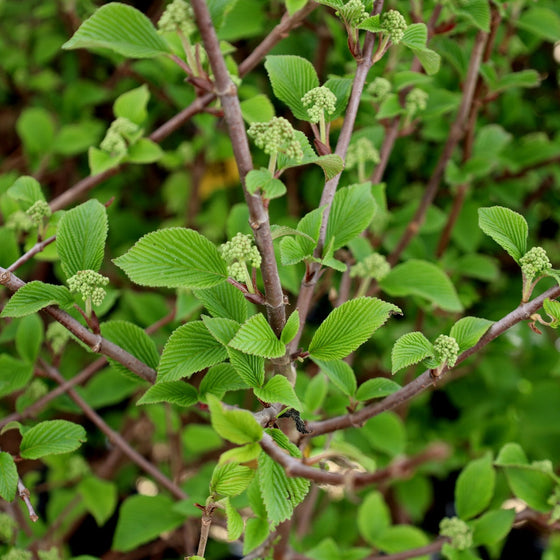
Doublefile Viburnum is prized just as much for its branching habit as it is for its flowers. The shrub grows with dense, spreading, layered branches that give it a strong horizontal profile and a much more sculptural look than many other flowering shrubs. That shape makes it especially useful in wider borders, foundation-adjacent beds, and as a specimen where its branching can be appreciated year-round.
Because it matures wider than it is tall, this is a shrub that benefits from room to spread. When given enough space, it becomes a true landscape feature rather than just a background planting. For homeowners wanting a shrub with real design character, Doublefile Viburnum offers something more memorable than a standard hedge plant.
Red Berries, Bird Value, And Strong Fall Color Extend The Season
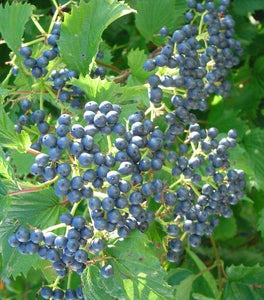
After bloom season, Doublefile Viburnum can produce bright red berries that later ripen to black when another compatible viburnum is planted nearby for pollination. These berries add contrast against the dark green foliage and provide food for birds, which makes the shrub especially valuable in wildlife-friendly landscapes.
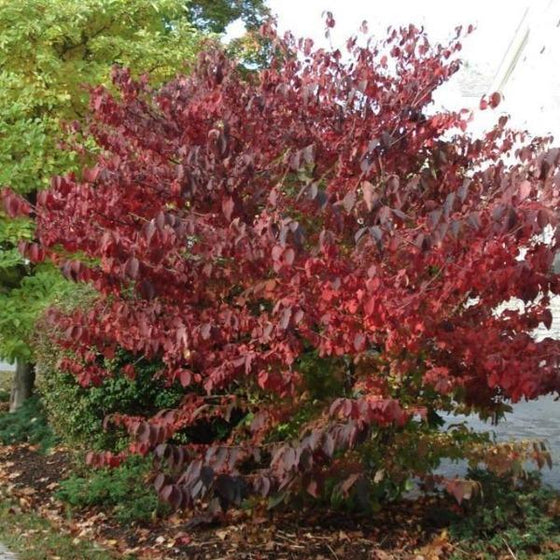
Fall brings yet another ornamental season, with the foliage developing rich autumn color that adds warmth and depth before leaf drop. That sequence of spring flowers, summer berries, and fall foliage gives the plant genuine multi-season value and helps it stay relevant in the landscape long after bloom season has passed.
Adaptable, Deer Resistant, And Easy To Grow With Basic Care
Doublefile Viburnum grows well in full sun to partial shade and prefers moist, well-drained soil, though it becomes more drought-tolerant once established. It is also considered deer-resistant, which makes it especially useful in landscapes where browsing pressure is a concern. That combination of adaptability and resilience adds to its appeal as both an ornamental and a practical shrub.
With steady moisture during establishment, a yearly spring feeding, and light pruning to preserve its natural branching, it settles in as a low-maintenance long-term performer. For homeowners looking for a flowering shrub with layered beauty, wildlife value, and real four-season interest, Doublefile Viburnum is an excellent choice.
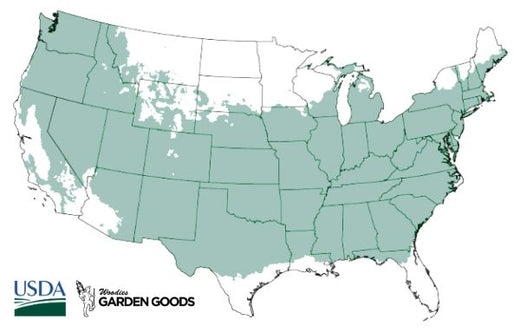
| Hardiness Zone: | 5-8 |
|---|---|
| Mature Height: | 8 to 10 Feet |
| Mature Width: | 8 to 10 Feet |
| Sunlight: | Full sun to partial shade |
| Bloom Time / Color: | Spring; prolific white blooms |
| Soil Condition: | Any well-drained soil; prefers moist conditions |
| Water Requirements: | Water well until established; more drought tolerant once mature |
| Wildlife Value: | Attracts pollinators and provides berries for birds |
| Resistance (deer/disease/drought/etc.): | Deer resistant and more drought tolerant once established |
| Landscape Uses: | Specimen shrub, hedge, privacy screen, mixed border, naturalized planting |
How to Care for Doublefile Viburnum
Be sure to read our planting instructions to ensure a healthy and happy Doublefile Viburnum for years to come!

How should I plant a Doublefile Viburnum?
Plant Doublefile Viburnum in a location with well-drained, slightly moist soil and full sun to partial shade. Dig a hole twice as wide and just as deep as the root ball, set the shrub so the top of the root ball is level with the surrounding soil, then backfill and water thoroughly. A mulch layer around the base helps retain moisture and reduce weeds during establishment. If planting multiple shrubs for a hedge or screen, space them about 8 to 12 feet apart so they have enough room to develop their mature width and layered branching. This spacing also improves airflow and helps preserve the natural shape that makes this viburnum so attractive.

How often should I water a Doublefile Viburnum after planting?
During the first growing season, keep the soil consistently moist but not waterlogged so the roots can establish well. Deep watering once or twice a week is usually a good starting point, especially during hot or dry periods. Watering at the base and mulching around the shrub both help support steadier moisture levels. Once established, Doublefile Viburnum becomes more drought-tolerant, but it still benefits from supplemental watering during extended dry spells. A good rule is to check the top 1 to 2 inches of soil and water deeply when that layer begins to dry out.

When should I fertilize a Doublefile Viburnum?
Fertilize Doublefile Viburnum in early spring with a balanced, slow-release fertilizer. One yearly application is usually enough to support healthy foliage, strong root growth, and abundant flowers. Compost or well-rotted manure can also be used if you prefer a more organic feeding approach. Avoid over-fertilizing, since too much nitrogen can encourage excessive leafy growth at the expense of flowers and berries. A moderate feeding schedule is usually all this shrub needs to perform well.

When and how should I prune a Doublefile Viburnum?
Prune Doublefile Viburnum after it finishes flowering. Light shaping at that time helps preserve the natural horizontal branching while allowing you to remove dead, damaged, or crowded branches. If the shrub becomes too dense, a little selective thinning can improve airflow and light penetration. Avoid heavy pruning, since it can reduce the number of flowers and berries in the following season. This shrub usually looks best when its natural tiered form is preserved rather than tightly sheared.