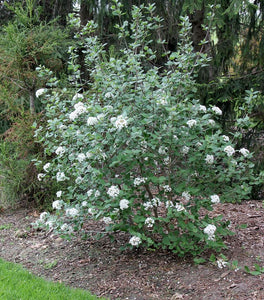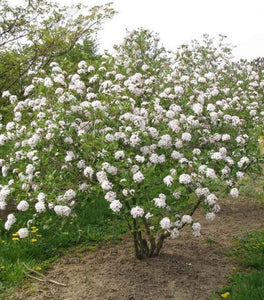
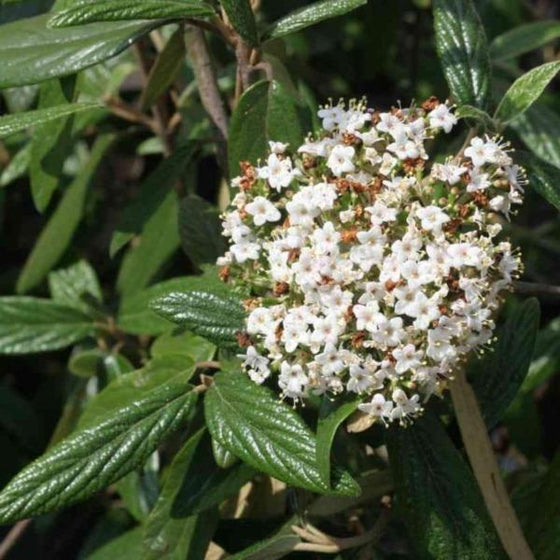


Images Depict Mature Plants
Viburnum Pragense
Viburnum x Pragense
Viburnum Pragense is one of those shrubs that gives you a lot more than just a wall of green. I like it because it handles privacy duty well, but you also get fragrant spring flowers, semi-evergreen foliage, and berries that add another layer of interest later in the season. For homeowners looking for a screening shrub, a deer-resistant hedge, or a viburnum with real multi-season value, this is a really dependable choice.

15% OFF SITEWIDE, USE CODE 'FALLPLANT15'
📦 Free shipping on orders over $99.
Delay shipping by leaving us a message at Checkout.
Share:

A Semi-Evergreen Viburnum With Fragrant Blooms And Privacy-Screening Power
A Dense Semi-Evergreen Shrub That Makes Privacy Screening Easy
Viburnum Pragense is one of those shrubs that works hard in the landscape without feeling plain or overly utilitarian. Its dense branching and broad habit make it especially useful for privacy screens, hedges, and layered borders where homeowners want meaningful coverage with a softer look than many rigid evergreens. Because it holds much of its foliage through the year, it gives the landscape structure even when many deciduous shrubs have gone bare.
That semi-evergreen habit is a big part of its value. In milder areas or protected spots, it keeps a lush, leathery presence through winter, while in colder climates it may shed more foliage but still rebounds quickly in spring. For homeowners looking for a privacy shrub with year-round substance and a more natural appearance, Viburnum Pragense is a very strong option.
Fragrant White Blooms Add Spring Beauty And Garden Atmosphere
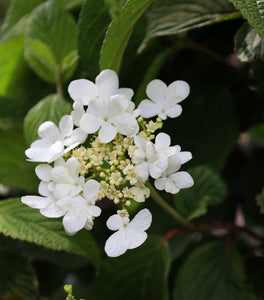
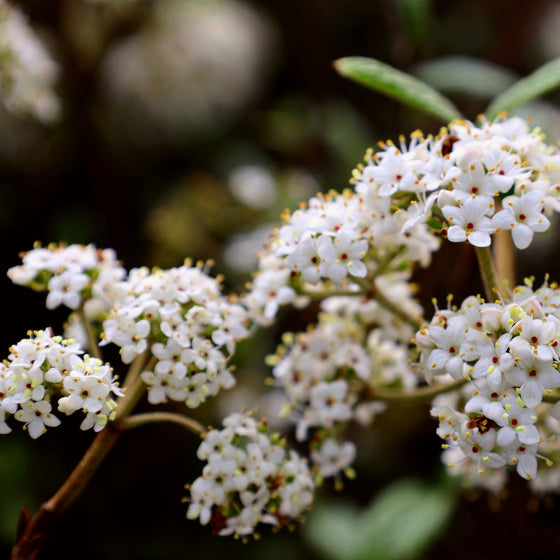
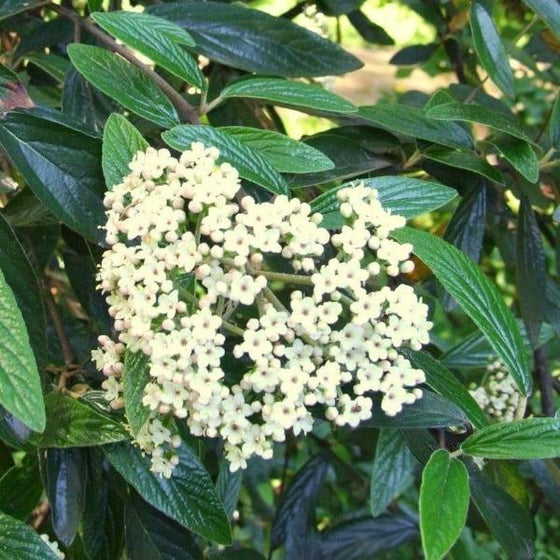
In spring, Viburnum Pragense produces clusters of fragrant white flowers that lift the shrub beyond its simple screening duty. The bloom display is attractive enough to use near patios, walkways, and mixed borders where the flowers can be seen and enjoyed up close. The fragrance adds an extra layer of appeal to the shrub that many privacy plants simply do not offer.
That combination of bloom and fragrance makes it especially useful in landscapes where beauty matters just as much as function. It can serve as a working hedge or backdrop while still contributing a true ornamental moment in spring. For gardeners who want a fragrant flowering shrub that also earns its keep as a screen, this plant brings both roles together very well.
Red Berries, Dark Foliage, And Winter Presence Extend The Season
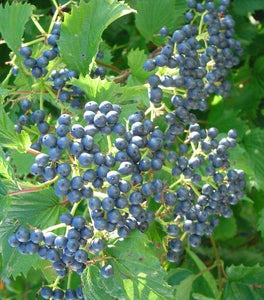
Viburnum Pragense keeps contributing after bloom season ends. If a compatible viburnum is planted nearby for cross-pollination, the shrub develops attractive red berries that later ripen to black, adding another season of ornamental value while also helping support birds and wildlife. That fruit display gives the plant more interest and ecological usefulness than a typical green hedge shrub.
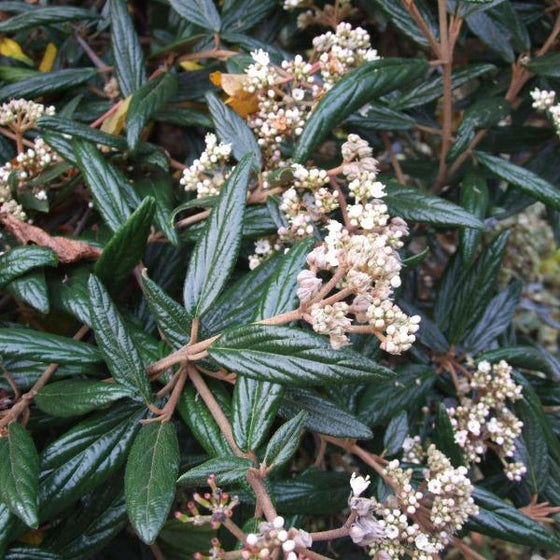
The foliage is another important part of the plant’s appeal. The leathery semi-evergreen leaves stay handsome through much of the year and can take on bronzy tones in winter. That means the shrub continues offering texture and color after summer has passed, giving it a much longer season of landscape value than many flowering shrubs in the same size range.
Adaptable, Deer Resistant, And Easy To Grow In Sun Or Part Shade
Viburnum Pragense is a very practical landscape shrub because it handles a wide range of conditions. It grows well in full sun or partial shade, tolerates different soil types as long as they are well-drained, and becomes more drought-tolerant once established. It is also deer-resistant, which adds even more everyday value for homeowners dealing with browsing pressure.
This adaptability makes it easy to use in formal hedges, mixed shrub borders, naturalized plantings, and larger foundation-style landscapes. With regular watering during establishment, annual spring feeding, and light pruning after bloom, it settles in as a dependable, low-maintenance plant. For homeowners looking for a semi-evergreen viburnum with fragrance, privacy value, and wildlife interest, Viburnum Pragense is an excellent choice.
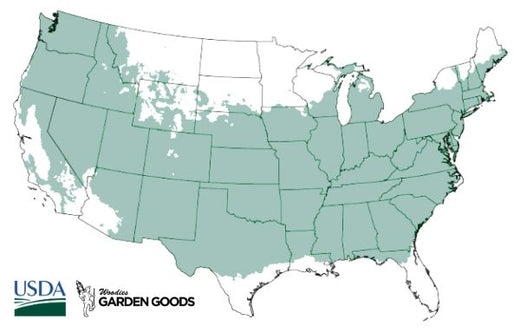
| Hardiness Zone: | 5-8 |
|---|---|
| Mature Height: | 6 to 10 feet |
| Mature Width: | 6 to 8 feet |
| Sunlight: | Full sun to partial shade |
| Bloom Time / Color: | Spring; fragrant white flowers |
| Soil Condition: | Well-drained soil |
| Water Requirements: | Keep consistently moist during establishment; less frequent once mature |
| Wildlife Value: | Supports birds with berries and adds habitat value |
| Resistance (deer/disease/drought/etc.): | Deer resistant and more drought tolerant once established |
| Landscape Uses: | Privacy screen, hedge, mixed border, specimen shrub, naturalized planting |
How to Care for Viburnum Pragense
Be sure to read our planting instructions to ensure a healthy and happy Viburnum Pragense for years to come!

How should I plant Viburnum Pragense?
Plant Viburnum Pragense in a location with well-drained soil and full sun to partial shade. Dig a hole twice as wide and just as deep as the root ball so the roots have room to spread, then set the shrub with the top of the root ball level with the surrounding soil. Backfill, water thoroughly, and mulch around the base to help hold moisture and regulate soil temperature. If you are planting Viburnum Pragense as a hedge or privacy screen, space plants about 6 to 8 feet apart so they have room to mature properly. This spacing gives you enough density for screening while still allowing airflow and healthy long-term growth.

How often should I water Viburnum Pragense after planting?
During the first growing season, keep the soil consistently moist so Viburnum Pragense can establish a strong root system. Deep watering once or twice a week is usually appropriate, especially during dry spells, to soak the root zone rather than just wetting the surface. Once established, the shrub becomes more drought-tolerant and usually needs less frequent watering. During normal weather, rainfall may be enough, but during hot or extended dry periods, supplemental deep watering helps keep the plant healthy and full.

When should I fertilize Viburnum Pragense?
Fertilize Viburnum Pragense in early spring just as new growth begins. A balanced slow-release fertilizer works well and is usually enough to support healthy foliage, root development, and strong flowering through the season. One yearly feeding is generally sufficient. Compost or well-rotted manure can also be used if you prefer an organic approach, but avoid over-fertilizing since too much leafy growth can reduce flower performance.

When and how should I prune Viburnum Pragense?
Prune Viburnum Pragense in late spring or early summer, right after it finishes blooming. Because it flowers on old wood, pruning after flowering helps preserve next year’s buds while still allowing you to shape the plant and remove dead, damaged, or diseased branches. Light shaping is usually all that is needed to maintain its natural form and size. For older plants, thinning a few inner branches can improve airflow and light penetration, but avoid heavy pruning if you want the best bloom display the following season.