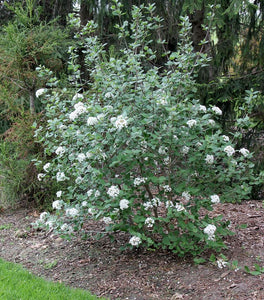




Images Depict Mature Plants
Viburnum Mohawk
Viburnum x burkwoodii 'Mohawk'
Mohawk Viburnum is one of those shrubs that gives you a lot back for the space it takes up. The fragrance alone makes it worth planting near a patio or walkway, but then you also get glossy foliage, berries for birds, and really strong red-orange fall color. For homeowners looking for a fragrant flowering shrub, a polished foundation plant, or a wildlife-friendly viburnum with real multi-season value, this is a really beautiful choice.

20% Off Sitewide Sale!
Use Code 'ENDOFSEASON20' At Checkout
📦 Free shipping on orders over $99.
Delay shipping by leaving us a message at Checkout.
Share:


A Fragrant Semi-Evergreen Viburnum With Spring Blooms And Four-Season Appeal
Highly Fragrant Spring Flowers That Make A Real Impression
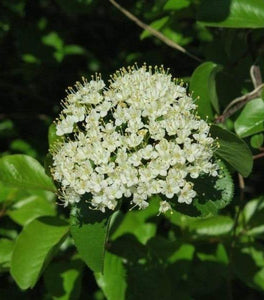
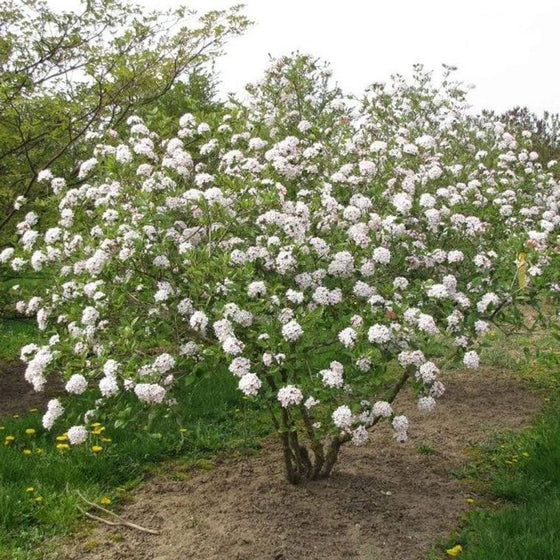
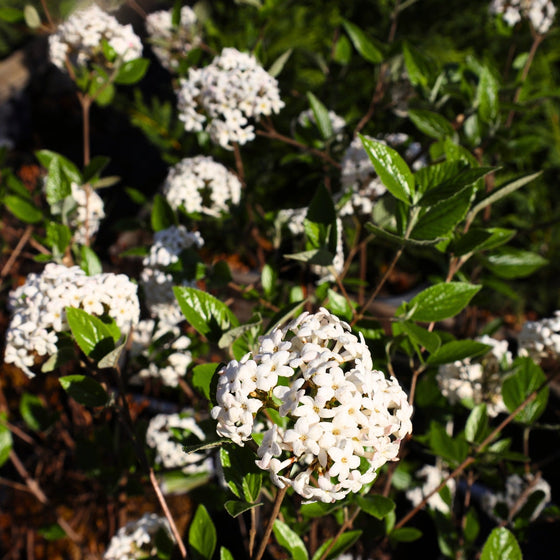
Mohawk Viburnum is one of those shrubs that can completely change the feel of a spring garden. In mid-spring, striking red flower buds begin to open into clusters of white blooms, creating a beautiful two-tone display that feels both refined and dramatic. The fragrance is one of its most memorable traits, filling the air with a sweet, spicy scent that makes the plant especially rewarding near walkways, patios, porches, and entry beds.
That fragrance is not just a subtle bonus. It is strong enough to be enjoyed from a distance, which makes this shrub an excellent choice when you want more than just visual beauty in the landscape. For homeowners seeking a fragrant, flowering shrub that truly adds atmosphere to the garden, Mohawk Viburnum is a standout selection.
A Compact Shrub With Glossy Foliage And A Polished Look
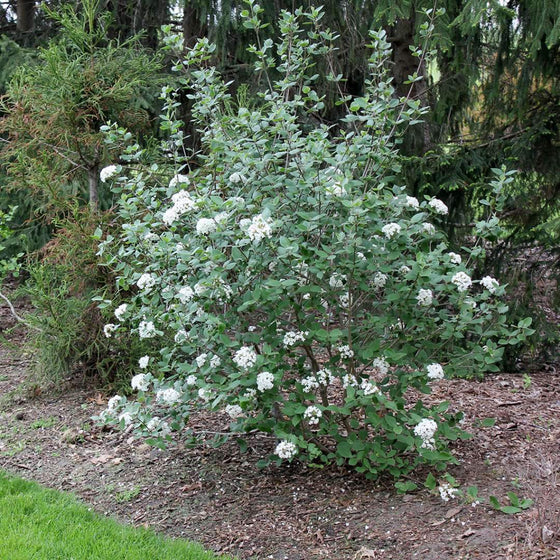
Mohawk Viburnum has a dense, upright branching habit, giving it a tidy, substantial appearance in the landscape. Its dark green foliage forms a rich backdrop for the flowers and later berries, helping the shrub look full and attractive from spring through summer. Because it stays in a manageable size range, it is especially useful in smaller gardens, mixed borders, and foundation plantings where a larger shrub might feel too bulky.
This compact but vigorous habit makes it easy to work into many different designs. It can function as a specimen, an anchor in a mixed border, or part of a loose flowering hedge. For homeowners who want a flowering shrub with real structure and a clean finished look, Mohawk Viburnum offers a very practical balance of beauty and usability.
Berries And Fall Color Extend The Show Beyond Bloom Season
Mohawk Viburnum keeps contributing long after its spring flower display is over. In late summer, it produces small red berries that gradually ripen to black, adding another ornamental layer while also providing food for birds and other wildlife. That fruit display adds seasonal value to the shrub and makes it an excellent choice for gardeners who want a more wildlife-friendly landscape.
Fall is another major moment for this plant. The foliage turns vibrant shades of red and orange, creating a strong burst of seasonal color before the shrub heads into winter. In milder climates, Mohawk can also retain some of its foliage, giving it semi-evergreen value and helping it stay relevant in the garden well beyond the main growing season.
Easy To Grow And Adaptable In Sun Or Partial Shade
Mohawk Viburnum is a very practical landscape shrub because it combines ornamental beauty with broad adaptability. It grows well in full sun to partial shade and tolerates a variety of soil types as long as they are well-drained. Once established, it is low maintenance and deer resistant, which makes it a dependable choice for busy homeowners and gardens where browsing pressure is a concern.
This is a shrub that rewards straightforward care rather than constant attention. Good planting, regular water during establishment, and light seasonal maintenance are usually all it needs to perform well. For homeowners seeking a fragrant, semi-evergreen shrub with flowers, berries, fall color, and broad landscape usefulness, Mohawk Viburnum is an excellent choice.
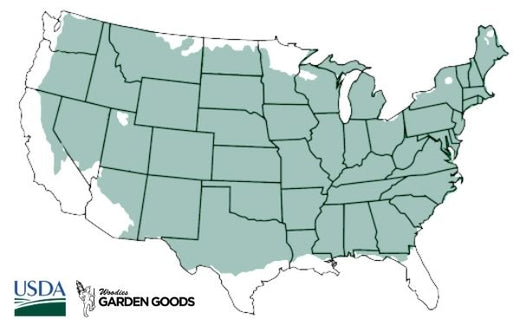
| Hardiness Zone: | 4-8 |
|---|---|
| Mature Height: | 6 to 8 feet |
| Mature Width: | 4 to 6 feet |
| Sunlight: | Full sun to partial shade |
| Bloom Time / Color: | Mid-spring; white flowers opening from red buds |
| Soil Condition: | Any well drained soil |
| Water Requirements: | Water well until established |
| Wildlife Value: | Attracts pollinators and produces berries for birds |
| Resistance (deer/disease/drought/etc.): | Deer resistant and adaptable once established |
| Landscape Uses: | Mixed border, specimen planting, foundation planting, fragrant garden, wildlife planting, informal hedge |
How to Care for Viburnum Mohawk
Be sure to read our planting instructions to ensure a healthy and happy Mohawk Viburnum for years to come!

How should I plant Mohawk Viburnum?
Plant Mohawk Viburnum in a location with well-drained soil and full sun to partial shade. Full sun will usually give you the strongest flowering and best fall color, while partial shade still supports healthy growth in many home landscapes. Choose a site with enough room for the shrub’s mature width so it can develop its natural upright shape without crowding nearby plants. Dig a hole twice as wide and as deep as the root ball. Set the shrub so the top of the root ball is level with the surrounding soil, then backfill with native soil and water thoroughly to settle the roots. Finish with a 2- to 3-inch layer of mulch around the base, keeping it a few inches away from the stems.

How often should I water Mohawk Viburnum after planting?
Water the Mohawk Viburnum deeply and consistently during the first growing season so the roots can establish well. In most landscapes, this means deep watering once or twice a week, depending on rainfall, soil type, and temperature. The goal is to keep the root zone evenly moist without allowing the soil to stay soggy. Once established, the shrub becomes easier to manage and usually needs supplemental water only during extended dry periods. Deep watering is more effective than frequent shallow watering, especially for encouraging stronger roots and more resilient long-term growth.

When should I fertilize Mohawk Viburnum?
Mohawk Viburnum generally benefits from a balanced slow-release fertilizer in early spring. One annual feeding is usually enough to support healthy foliage, steady growth, and good flowering through the season. If you prefer a gentler approach, compost or other organic matter around the root zone can also help improve soil quality over time. Avoid over-fertilizing, as too much lush growth can upset the balance between flowers, berries, and foliage.

When and how should I prune Mohawk Viburnum?
Prune Mohawk Viburnum in summer after flowering. This timing helps preserve next season’s flower buds while allowing you to shape the plant or remove dead, damaged, or crossing branches. The best approach is light, selective pruning rather than harsh shearing. Preserve the shrub’s natural upright, densely branched habit and avoid heavy late-season pruning that could encourage tender growth before colder weather arrives.