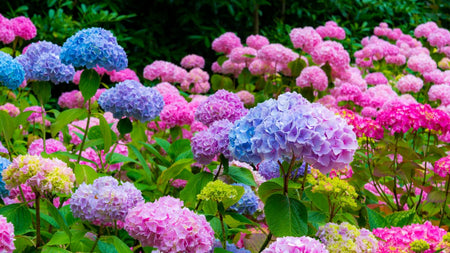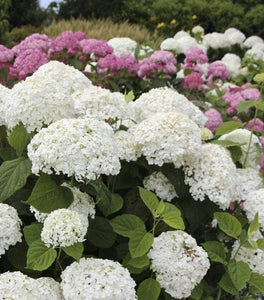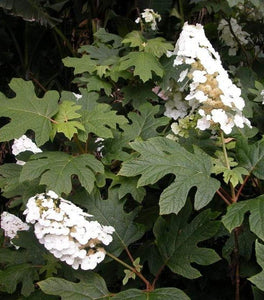
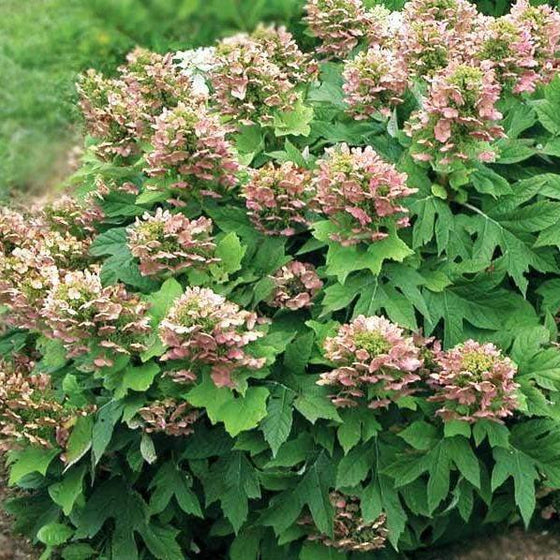
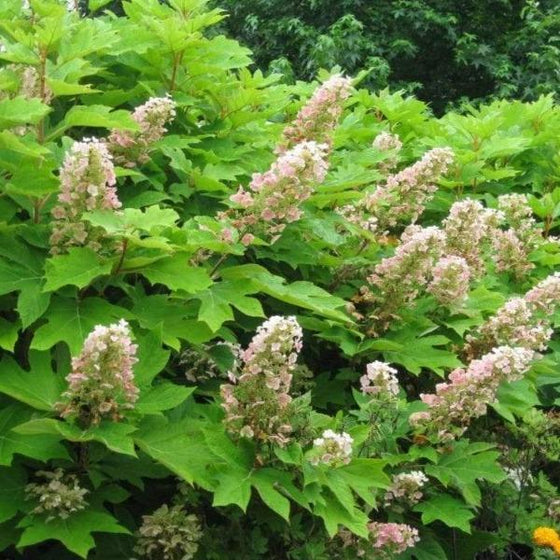
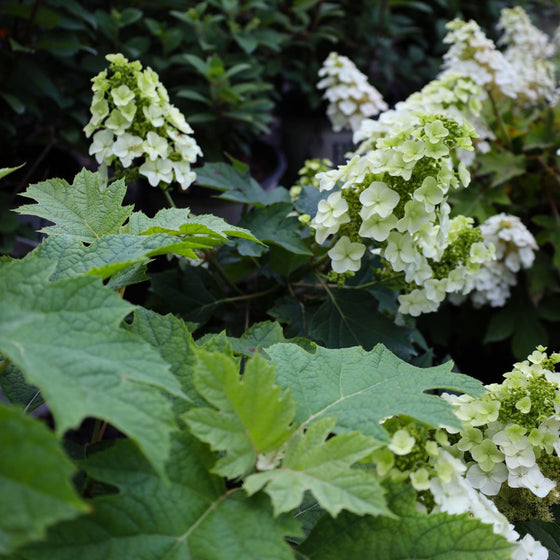


Images Depict Mature Plants
Munchkin Oakleaf Hydrangea
Hydrangea quercifolia 'Munchkin'
I’m a sucker for oakleaf hydrangeas, and ‘Munchkin’ is the one I recommend when you want that bold foliage and fall color but you don’t have room for a giant shrub. The white blooms are beautiful in early summer, the leaves look like they belong in a woodland garden, and then—boom—you get that rich, mahogany fall color that makes the whole bed feel like autumn arrived on purpose. Plant it where it gets morning sun, keep it evenly moist while it settles in, and don’t prune in spring unless it’s just cleanup.

15% OFF SITEWIDE, USE CODE 'FALLPLANT15'
📦 Free shipping on orders over $99.
Delay shipping by leaving us a message at Checkout.
Share:

Munchkin Oakleaf Hydrangea for Compact Size, Big Blooms, and Knockout Fall Color
Big Oakleaf Beauty In A Compact, Easy-To-Place Shrub
Munchkin Oakleaf Hydrangea gives you the signature “oakleaf look” in a size that actually fits most landscapes. Instead of a shrub that outgrows its welcome, ‘Munchkin’ stays neatly rounded and compact—typically around 3 to 4 feet tall and wide—making it an ideal choice for foundation beds, small borders, and tight planting spaces. You get the same bold, oak-shaped leaves and layered texture that oakleaf hydrangeas are known for, without sacrificing walkways or crowding neighboring plants.
That compact habit also makes design simpler. Use it as a front-of-bed anchor, tuck it into woodland edges, or repeat it in a small grouping for a cohesive “landscape designer” feel. It’s substantial enough to stand alone as a specimen, but compact enough to blend into mixed plantings with evergreens, ferns, and perennials. If you want a shrub that looks established and intentional—without demanding constant pruning—this one delivers.
Creamy White Blooms That Mature Into Soft, Dusty Pink Tones
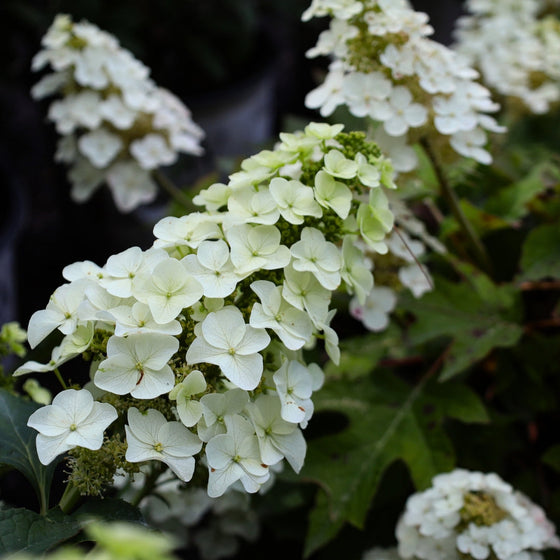
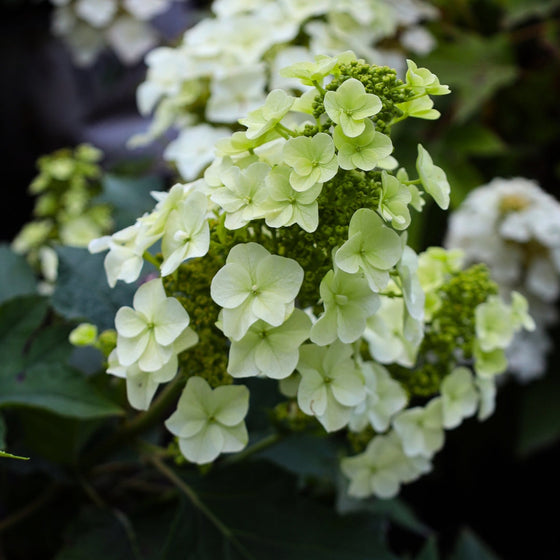
In early to mid-summer, Munchkin Oakleaf Hydrangea produces cone-shaped flower clusters packed with creamy white florets. As the season progresses, those blooms often take on rosy, dusty pink tones, giving you a longer-lasting show than a simple “white-and-done” flower. The panicles have a classic, cottage-garden feel, and they pair beautifully with both formal landscapes and more naturalistic plantings.
The flowers also make excellent cut stems for fresh arrangements, and later blooms can be used for dried décor. For the fullest bloom set, give the plant bright light—morning sun is especially helpful—while avoiding harsh, baking afternoon exposure in hot climates. When planted in the right spot and kept evenly moist during establishment, this hydrangea becomes a reliable summer performer that feels lush, romantic, and effortlessly elegant.
Four-Season Interest With Legendary Oakleaf Fall Foliage
Oakleaf hydrangeas are famous for foliage, and ‘Munchkin’ is no exception. The deeply lobed leaves create bold texture from spring onward, then shift to rich fall tones—often mahogany, burgundy, and red as nights cool. That fall color is a major reason gardeners choose oakleaf hydrangeas over other types: it turns a flowering shrub into a true four-season feature that still “shows up” long after bloom time.
Even after leaf drop, the plant’s branching structure and spent flower heads can add winter interest, especially when planted where you can see it from a window. For the strongest fall color, avoid deep shade and give it at least half a day of sun if possible. Combine it with evergreens for winter contrast, or place it near ornamental grasses for a long season of texture that keeps the garden looking intentional from spring through frost.
Low-Stress Care When You Nail Sun, Soil, And Pruning Timing
Munchkin Oakleaf Hydrangea is refreshingly straightforward when you match it to the right conditions. It prefers well-drained soil with consistent moisture, especially during the first growing season. Once established, oakleaf hydrangeas can handle short dry spells better than many other hydrangeas, but they do not like soggy, wet sites. A yearly mulch layer helps stabilize moisture, improves root comfort, and supports better flowering and foliage quality.
The biggest “rule” to remember is the timing of pruning. Oakleaf hydrangeas bloom on old wood, so heavy pruning in late winter or spring can remove flower buds. If pruning is needed, do it right after flowering, focusing on light shaping and removing damaged wood. The good news: ‘Munchkin’ naturally stays compact and typically needs minimal pruning, making it a confident choice for gardeners who want a beautiful shrub without complicated maintenance.
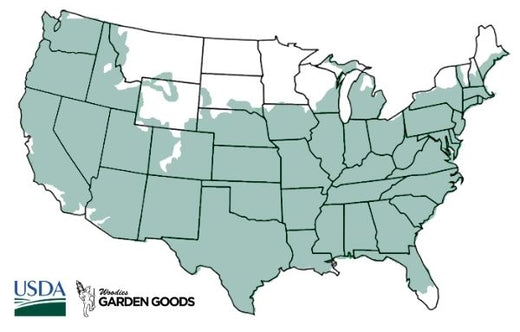
| Hardiness Zone: | 5-9 |
|---|---|
| Mature Height: | 3 to 4 feet |
| Mature Width: | 3 to 4 feet |
| Sunlight: | Full sun to part shade (morning sun + afternoon shade ideal in hotter areas) |
| Bloom Time / Color: | Early to mid-summer; creamy white blooms aging pink |
| Pruning Season: | Prune after flowering, blooms on old wood |
| Soil Condition: | Well-drained, organically rich soil preferred; avoid wet sites |
| Water Requirements: | Medium; consistent moisture while establishing |
| Wildlife Value: | Seasonal garden activity; can support pollinator presence during bloom |
| Resistance: | Not reliably deer resistant; better drought tolerance than many hydrangeas once established |
| Landscape Uses: | Foundation beds, woodland edges, mixed borders, specimen shrub, shade gardens, fall color focal point |