

Images Depict Mature Plants
Legend of the Fall® Fothergilla
Fothergilla x intermedia 'ALICE' PP32049, CBRAF
Legend of the Fall® Fothergilla is a really smart shrub when you want one plant to do a lot of heavy lifting. The spring flowers are fresh and fragrant, but the fall color is what really makes it unforgettable, giving the garden a strong finish to the season.

15% OFF FOR MOTHER'S DAY
Use Code MOMDAY15 At Checkout
📦 Free shipping on orders over $99.
Delay shipping by leaving us a message at Checkout.
Share:


Fragrant spring blooms and brilliant fall color on a refined native shrub
A native shrub that gives you more than one season of beauty.
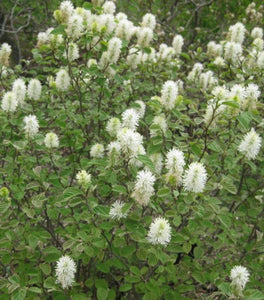
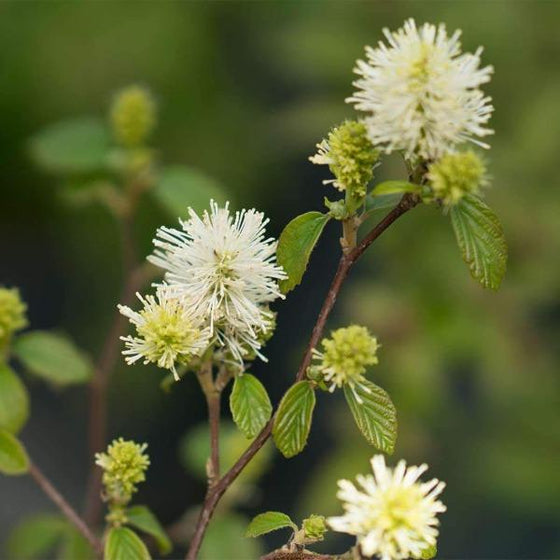
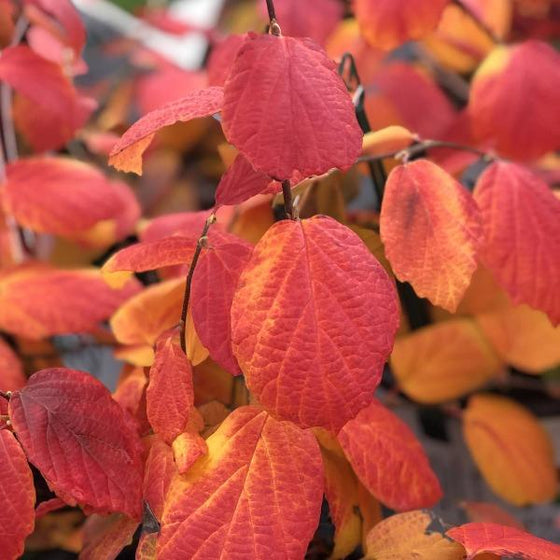
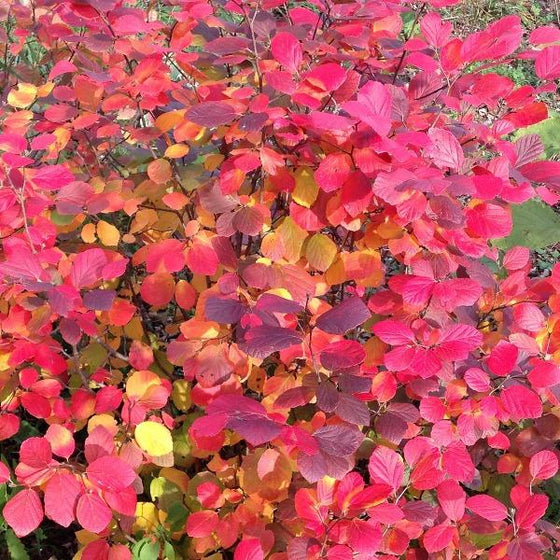
Legend of the Fall® Fothergilla is the kind of shrub that keeps earning its place as the year moves along. In spring, it opens with fragrant white bottlebrush-like flowers that bring a soft, clean look to the garden just as the season gets going. Then in fall, it delivers the kind of color display that gives this plant its name, with foliage shifting through rich purples, reds, oranges, and yellows.
The spring bloom is fresh, fragrant, and distinctive.
The white flowers appear before or with the emerging foliage and have a lightly fragrant, bottlebrush look that makes the shrub feel refined and a little unusual. They are especially valuable because they provide early nectar for pollinators at a time when many gardens are still just waking up.
Fall color is where this shrub really separates itself.
Legend of the Fall® Fothergilla is widely valued for the intensity and range of its autumn foliage. Instead of turning one flat color, the leaves can glow in multiple shades at once, creating a layered effect that feels rich and dramatic. In many landscapes, it becomes one of the most eye-catching shrubs of the season.
A strong fit for borders, foundations, woodland gardens, and specimen use.
This shrub works beautifully in mixed borders, foundation plantings, woodland edges, and specimen placements where its multi-season value can be appreciated. Its neat, rounded habit makes it easy to work into residential landscapes, and it also performs well in grouped plantings where the fall color can create a stronger visual sweep.
Easy care and shade tolerance make it highly practical.
Legend of the Fall® Fothergilla performs best in full sun to part sun, though it is notably shade-tolerant compared with many flowering shrubs. Fall color tends to be strongest when the plant gets at least some daily sun. It prefers average to moist, well-drained soil, needs very little pruning, and may send up occasional suckers that can be controlled if needed.
| Hardiness Zone: | 5-9 |
|---|---|
| Height: | 4 to 5 Feet |
| Width: | 4 to 5 Feet |
| Sunlight: | Full sun to part sun |
| Soil | Average to moist, well-draining soil |
| Water | Average water needs; avoid prolonged drought |
| Bloom Time / Color | Spring; fragrant white flowers |
| Foliage | Green foliage with brilliant red, orange, yellow, and purple fall color |
| Ornamental Features | Fragrant bottlebrush flowers, outstanding fall color, rounded habit |
| Wildlife Value | Spring nectar source for pollinators |
| Resistance (deer/disease/drought/etc.) | Deer resistant, heat tolerant, low maintenance |
| Landscape Uses | Borders, foundations, hedges, mass plantings, naturalizing, specimen use, woodland gardens |
How to Care for Legend of the Fall® Fothergilla
Beforepurchasing Fothergilla Legend of the Fall, be sure to read the recommended planting and care instructions to ensure this plant stays happy and healthy in its new home

How should I plant Legend of the Fall® Fothergilla?
Plant Legend of the Fall® Fothergilla in full sun to part sun in average to moist, well-drained soil. Dig a hole about twice as wide as the root ball and no deeper than the root ball itself, then set the shrub level with the surrounding soil and backfill carefully. Water deeply after planting and add mulch around the root zone to help conserve moisture and reduce weed competition, but keep mulch a few inches away from the stems. If you want the strongest fall color, choose a site that gets at least some direct sun each day.

How often should I water Legend of the Fall® Fothergilla after planting?
Water Legend of the Fall® Fothergilla deeply right after planting, then keep the soil evenly moist during the first growing season while it establishes. During warm weather, check the soil regularly and water when the top layer begins to dry. Once established, this shrub is fairly easy to manage, but it does best when it is not allowed to go bone dry for long stretches. Occasional deep watering during drought helps keep the foliage healthier and supports better seasonal performance.

When should I fertilize Legend of the Fall® Fothergilla?
Fertilize Legend of the Fall® Fothergilla lightly in early spring if needed. A balanced slow-release shrub fertilizer or a layer of compost is usually enough to support healthy growth and flowering. Avoid overfeeding, especially with high-nitrogen fertilizer. In many landscapes, this shrub performs best with modest fertility rather than heavy fertilizer applications.

When and how should I prune Legend of the Fall® Fothergilla?
Prune Legend of the Fall® Fothergilla after flowering in spring if shaping is needed. Light pruning is usually enough to maintain a neat outline while preserving the shrub’s natural form. This plant generally needs very little pruning. If suckers appear and you do not want the plant to spread, they can be pulled, cut, or severed with a sharp spade as needed.