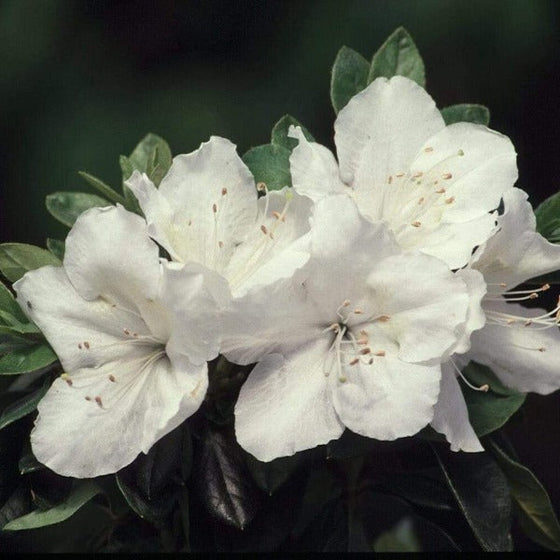
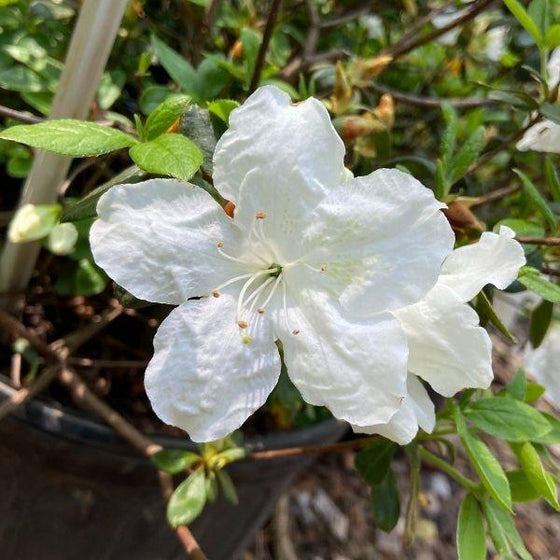


Images Depict Mature Plants
Girard's Pleasant White Azalea
Rhododendron 'Girard's Pleasant White'
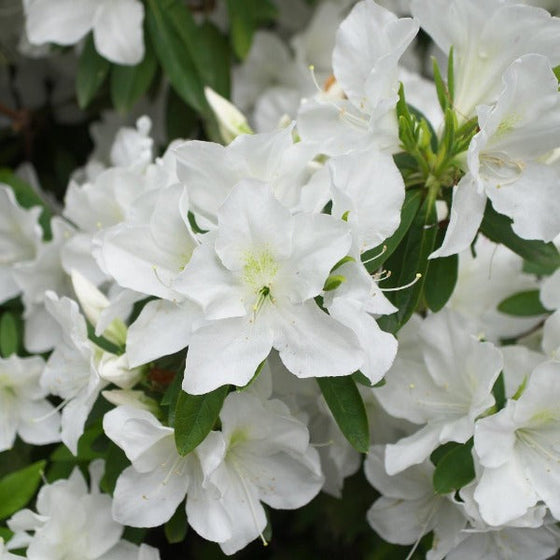
Girard's Pleasant White is one of those “easy elegance” shrubs: compact, evergreen, and absolutely loaded with bright white spring flowers that make shady beds feel intentional and alive. Give it morning light, fast-draining acidic soil, and steady moisture, then prune right after bloom and you’ll keep that dense, tidy shape without sacrificing next year’s buds.

Save Up to 25% On Your Order! Limited Time Only!
Discount Applied Automatically At Checkout
📦 Free shipping on orders over $99.
Delay shipping by leaving us a message at Checkout.
Share:



Girard's Pleasant White Azalea For Bright White Spring Blooms In Shade-Friendly Landscapes
Big White Spring Flowers That Light Up Shaded Spaces
Girard's Pleasant White Azalea is a standout for spring because the flowers are genuinely showy: clean white blooms that read beautifully from a distance and glow in lower light. In mid to late spring, the shrub covers itself in large, rounded flowers that brighten foundation beds, woodland edges, and front borders when the rest of the landscape is still waking up. If you love that “moon garden” effect or want white blooms to pop against evergreens and dark mulch, this variety delivers a crisp, elegant look.
White flowers are also incredibly versatile in design. They pair effortlessly with pink and purple bulbs, blue spring perennials, and fresh chartreuse foliage, and look just as good in formal plantings as in naturalistic beds. Plant Girard's Pleasant White near an entry, along a walkway, or at the edge of a patio where you can enjoy the bloom details up close. It’s the kind of shrub that makes a landscape feel intentional without needing a complicated planting plan.
Compact Evergreen Form For Foundations, Borders, And Low Hedges
This Girard azalea is prized for its compact, tidy habit. In many gardens, it matures around 2–3 feet tall and about 2–3 feet wide, forming a dense, low mound that fits easily under windows and along paths. That size makes it an easy “go-to” shrub when you want evergreen structure that doesn’t outgrow its welcome. It’s also a natural choice for a low hedge where you want spring bloom, summer greenery, and winter presence in a single plant.
Because it’s evergreen, Girard's Pleasant White continues to do design work after bloom season ends. The dark green foliage helps beds look polished year-round and provides a steady backdrop for perennials and annual color. Use it as a foundation anchor, repeat it in a rhythm along a border, or mass it in groups for a clean white spring statement. If you want a compact azalea that looks finished year-round, this is a smart, landscape-friendly pick.
Shade-Tolerant Performance When Soil And Moisture Are Right
Girard's Pleasant White grows well in partial shade and can handle filtered light beneath trees, which is exactly where many flowering shrubs struggle. For best results, aim for morning sun and afternoon shade, or dappled light that stays bright but not harsh. Too much deep shade can reduce flowering, while intense late-day sun can stress roots and foliage—especially in warm climates. That balanced light window is the secret to getting a strong spring bloom and a healthy evergreen canopy.
Soil is the other key. Like most azaleas, it prefers slightly acidic, well-drained, organic-rich soil. It wants consistent moisture, but it should never sit in soggy ground. A mulch layer helps keep roots cool and reduces moisture swings, especially in summer. When you match those basics—part shade, acidic soil, and steady moisture—Girard's Pleasant White becomes a reliable, low-fuss evergreen that blooms hard and stays attractive long after spring.
Simple Pruning That Protects Next Year’s Flowers
Azaleas set flower buds early, so pruning timing matters. The easiest rule: prune only right after flowering, and keep it light. That lets you tidy shape, remove any winter damage, and encourage a fuller mound without cutting off next season’s buds. If you prune later in summer or fall, you can unintentionally remove the buds that would have produced next spring’s flowers.
For a dense hedge or a fuller foundation plant, focus more on consistent care than heavy cutting. Give the shrub proper spacing, keep the root zone mulched, and water during dry spells—healthy growth supports better bud set and bloom. If the plant ever needs renewal, do it gradually over a couple of seasons rather than a single hard cut. With gentle, well-timed pruning, Girard's Pleasant White stays compact, evergreen, and reliably flower-forward.
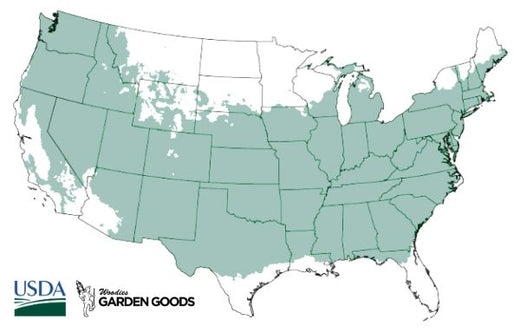
| Hardiness Zone: | 5-8 |
|---|---|
| Mature Height: | 2 to 3 feet |
| Mature Width: | 2 to 3 feet |
| Sunlight: | Full sun to partial shade (morning sun is ideal) |
| Bloom Time / Color: | Mid to late spring; white blooms |
| Pruning Season: | Immediately after spring flowering, very little pruning needed |
| Soil Condition: | Organic-rich, well-drained, slightly acidic |
| Water Requirements: | Even moisture; avoid drying out or soggy soil |
| Wildlife Value: | Flowers can attract pollinators when blooming |
| Resistance (deer/disease/drought/etc.): | Deer: moderate resistance (not deer-proof); root rot risk in poorly drained soils |
| Landscape Uses: | Foundation plantings, borders, woodland gardens, low hedges, mass plantings, containers |
How to Care for Girard's Pleasant White Azalea
Be sure to read our planting instructions to ensure a healthy and happy Girard's Pleasant White Azalea plant for years to come!

How should I plant Girard's Pleasant White Azalea?
Plant Girard's Pleasant White Azalea in partial shade or a spot with morning sun and afternoon shade. Dig a hole twice as wide as the root ball and about as deep, then set the plant so the top of the root ball sits level with (or slightly above) the surrounding soil. Backfill with a mix of native soil and organic matter like pine bark fines or compost to improve drainage and support the slightly acidic conditions azaleas prefer. Water deeply to settle the soil, then add a 2–3 inch mulch layer to keep roots cool and moisture consistent (keep mulch a few inches away from the stems). Avoid low areas where water collects after rain—good drainage is the most important factor for long-term azalea health.
-v1771003926766.png?89x84)
How often should I water Girard's Pleasant White Azalea after planting?
Water thoroughly right after planting, then keep the root zone evenly moist for the first few weeks. A practical routine is to check the top inch of soil—if it feels dry, water slowly at the base so moisture reaches the full root zone. In warm weather or sandy soils, you may water every few days at first; in cooler weather or heavier soils, less often. After the plant begins establishing, transition to deep watering about once per week, increasing during heat or drought. Mulch helps prevent quick dry-outs, which is especially important because azaleas have shallow roots. The goal is steady moisture with fast drainage, not soggy soil.
-v1771003951503.png?90x89)
When should I fertilize Girard's Pleasant White Azalea?
Fertilize in early spring as new growth begins, using an azalea/rhododendron fertilizer or a balanced slow-release product suitable for acid-loving plants. A light feeding supports healthy foliage and bud development without forcing weak, overly soft growth. If your soil is already rich, an annual top dressing of compost and refreshed mulch can provide much of what the plant needs. Avoid fertilizing late in the season. Late feeding can push tender growth at the wrong time, potentially reducing overall performance. For most landscapes, one spring feeding (and optional light post-bloom feeding) is plenty when the plant is mulched and watered consistently.

When and how should I prune Girard's Pleasant White Azalea?
Prune Girard's Pleasant White Azalea immediately after it finishes flowering in spring. Start by removing any dead, damaged, or crossing branches, then do light shaping to maintain a neat mound or hedge line. Pruning later in summer or fall can remove next season’s flower buds, reducing the spring bloom show. If you need to manage size, do it gradually over multiple seasons rather than cutting hard all at once. Proper spacing and consistent moisture will keep the shrub fuller naturally, so pruning stays minimal and the plant remains compact and bloom-forward.