Images Depict Mature Plants
Veronica Georgia Blue
Veronica peduncularis 'Georgia Blue'
Veronica Georgia Blue is my go-to when I want spring to feel like it arrived overnight. One week it’s green, the next it’s a ribbon of true blue flowers hugging the ground. It’s tidy, it’s tough once established, and it’s one of the best-looking ways to cover a sunny slope without turning the area into a mulch slide. Just give it good drainage and do that quick shear after bloom, and it’ll stay dense and sharp.

15% OFF SITEWIDE SUMMER SALE
Use Code HELLOSUMMER15 at Checkout!
📦 Free shipping on orders over $99.
Delay shipping by leaving us a message at Checkout.
Share:



Veronica Georgia Blue Groundcover For Blue Spring Color And Easy Coverage
A springtime carpet of true blue that looks designed
Veronica Georgia Blue is famous for its spring show, tiny, vivid blue flowers with bright white eyes that smother the foliage in a “painted” carpet effect. It blooms when gardens are hungry for color, making it a favorite for front borders, rock gardens, and sunny edges where you want impact without height. Because it stays low, it creates crisp lines along paths and stepping stones, and it pairs beautifully with bulbs that rise through the mat and fade quietly behind it.
This is one of those plants that delivers a high-end look with very little effort. Mass it for that continuous ribbon of blue, or weave it through small garden pockets to connect separate plantings into one cohesive design. If you want early-season color that reads intentional, not scattered, Veronica Georgia Blue is an easy, confidence-building choice.
Semi-evergreen foliage that keeps working after bloom
After the flowers finish, Veronica Georgia Blue continues as a tidy, ground-hugging mat of small, glossy leaves. In many gardens, it stays semi-evergreen to evergreen, and the foliage often develops bronzy or burgundy tones in cooler weather—adding subtle off-season interest rather than disappearing. That persistent cover helps suppress weeds by shading soil, making it both beautiful and practical in high-visibility areas.
It’s especially effective as a “finisher” plant: the one that covers bare soil, softens hard edges, and makes a bed look complete. Use it around boulders, along low walls, under open-canopy shrubs, or at the feet of taller perennials. You’re not just buying spring flowers—you’re buying a tidy mat that keeps the garden looking planted for months.
Sun-loving coverage for slopes, banks, and tough spots
Veronica Georgia Blue thrives in full sun and also performs in partial shade, especially where summers run hot. It prefers well-drained soil and is happiest where water doesn’t sit around the crown in winter. Once established, it becomes more tolerant of short dry spells than many flowering groundcovers, making it a smart pick for slopes and banks where irrigation can be uneven.
For erosion-prone areas, the spreading habit helps knit the soil surface together, reducing washout and keeping mulch from migrating downhill. It’s also a great choice for “in-between” spaces, those sunny gaps where you don’t want a tall plant, but you do want living coverage and a polished, intentional finish.
One simple shear keeps it dense, fresh, and edge-ready
The easiest way to keep Veronica Georgia Blue looking premium is to shear it lightly right after the main spring bloom. That quick trim refreshes the foliage, tightens the mat, and keeps edges crisp, especially important when you’re using it as a border line or around stepping stones. It’s a low-effort step that pays off all season by preventing uneven, stringy growth.
Design-wise, it’s incredibly flexible: edge a path, spill it gently over stones, tuck it into rock gardens, or let it run in a wide drift across a sunny slope. With good drainage, consistent moisture in year one, and that one post-bloom shear, you get a groundcover that looks clean, covers well, and earns its space year after year.
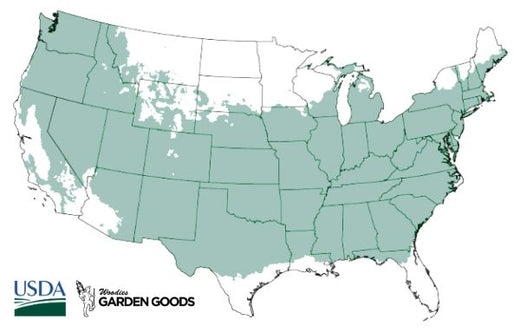
| Hardiness Zone: | 5-8 |
|---|---|
| Mature Height: | 4 to 6 inches |
| Mature Width: | 18 to 24 inches |
| Sunlight: | Full sun to partial shade |
| Bloom Time / Color: | Spring (often April–May); vivid blue with white eyes |
| Soil Condition: | Well-drained soil; adaptable, avoid consistently wet sites |
| Water Requirements: | Medium during establishment; low to medium once established |
| Wildlife Value | Spring flowers can attract pollinators |
| Resistance (deer/disease/drought/etc.) | Generally deer/rabbit resistant; drought tolerant once established |
| Landscape Uses | Groundcover, edging, rock gardens, slopes/banks, underplanting, wall edges, containers |
How to Care for Veronica Georgia Blue
After purchasing your Veronica Georgia Blue plant, be sure to read our recommended care instructions to ensure this perennial is happy and healthy for years to come.

How should I plant Veronica Georgia Blue?
Plant Veronica Georgia Blue in full sun to partial shade in well-drained soil. Dig a hole about twice as wide as the root ball, set the plant level with the surrounding soil, backfill, and water deeply to settle roots. Finish with a light mulch layer to conserve moisture, but keep mulch off the crown so it doesn’t stay overly damp. For slopes or larger areas, lay plants out before digging so spacing stays consistent and coverage looks intentional. If your soil holds water in winter, plant slightly high or amend for drainage—good drainage is the biggest factor for a dense, long-lived mat.

How often should I water Veronica Georgia Blue after planting?
Water thoroughly at planting, then keep soil evenly moist for the first 6–8 weeks while roots establish. In most gardens, a deep soak once per week works well, increasing to 1–2 times weekly during hot, dry stretches or in sandy soils that dry quickly. Once established, Veronica Georgia Blue becomes more drought-tolerant and usually needs extra water only during extended dry periods. Aim for a “deep and occasional” approach rather than frequent light watering, and avoid keeping the crown constantly wet.

When should I fertilize Veronica Georgia Blue?
Fertilize lightly in early spring as new growth starts, using a balanced slow-release fertilizer or a thin top-dressing of compost. This supports stronger flowering and helps the plant thicken into a fuller mat without pushing weak, floppy growth. In average soils, less is more. Overfeeding can encourage softer growth that looks messy and needs more trimming, so a modest spring feeding (or compost) is typically all it needs to perform beautifully.

When and how should I prune Veronica Georgia Blue?
Right after the main spring bloom, shear Veronica Georgia Blue back by about one-third to one-half. This quick trim refreshes foliage, keeps the mat compact, and helps prevent uneven, stringy growth—especially along borders and stepping stones. If you skip the post-bloom shear, you can still tidy later by trimming back to fresh basal growth. One well-timed shear each year is usually enough to keep it dense, clean-edged, and looking “finished” through the season.